
What Causes Tooth Sensitivity and How to Treat It
Tooth sensitivity often stems from exposed dentin, the sensitive layer beneath your enamel, which can occur due to enamel wear, gum recession, tooth grinding, or cracked teeth. When dentin is exposed, external triggers like cold air, hot beverages, or sweet foods can reach the nerve endings inside your tooth, causing sharp, temporary pain.
Treatment begins with identifying the root cause: switching to a soft-bristled toothbrush and desensitising toothpaste can block nerve responses, while avoiding acidic foods helps prevent further enamel erosion. For persistent sensitivity, professional treatments like fluoride varnishes, dental bonding to cover exposed roots, or custom night guards for grinding offer targeted, lasting relief.
Addressing sensitivity early not only restores comfort but also protects your teeth from underlying issues that could worsen over time.
Common Causes of Tooth Sensitivity
Tooth sensitivity typically occurs when the underlying layer of your teeth, called dentin, becomes exposed. This can happen for several reasons: enamel erosion from acidic foods and drinks or aggressive brushing, gum recession often due to periodontal disease or harsh brushing, which exposes sensitive tooth roots, and teeth grinding (bruxism), which wears down enamel over time.
Other common causes include cracked teeth or fillings that allow stimuli to reach nerves, and temporary sensitivity after dental procedures like whitening or cleanings, which usually subsides quickly. Even seemingly harmless habits like sipping lemon water or using a stiff-bristled toothbrush can gradually contribute to this uncomfortable condition.
At-Home Remedies for Sensitive Teeth
Managing tooth sensitivity at home starts with gentle, consistent habits designed to protect your enamel and soothe nerve endings. Begin by switching to a soft-bristled toothbrush and desensitizing toothpaste containing potassium nitrate or stannous fluoride, which helps block pain signals from reaching the nerve.
When brushing, use gentle, circular motions rather than harsh scrubbing to avoid irritating gums and wearing down enamel. Incorporate a low-acid diet by limiting sugary and acidic foods and drinks, such as citrus, soda, and wine, and rinse your mouth with water after consuming them. For immediate relief, consider applying a fluoride gel or mouthwash designed for sensitivity to strengthen enamel.
Lastly, if you grind your teeth at night, an over-the-counter night guard can prevent further enamel erosion. While these strategies can significantly reduce discomfort, persistent sensitivity warrants a professional evaluation to address underlying causes.
When to See a Dentist for Tooth Sensitivity
While mild sensitivity can often be managed at home, it’s important to consult our Belconnen team if symptoms persist, worsen, or interfere with daily life. Schedule an appointment at Elfar Dental if you experience sharp, prolonged pain that doesn’t improve with desensitizing toothpaste, localised discomfort around a single tooth (which may indicate infection or decay), or swollen, discoloured, or bleeding gums accompanying sensitivity.
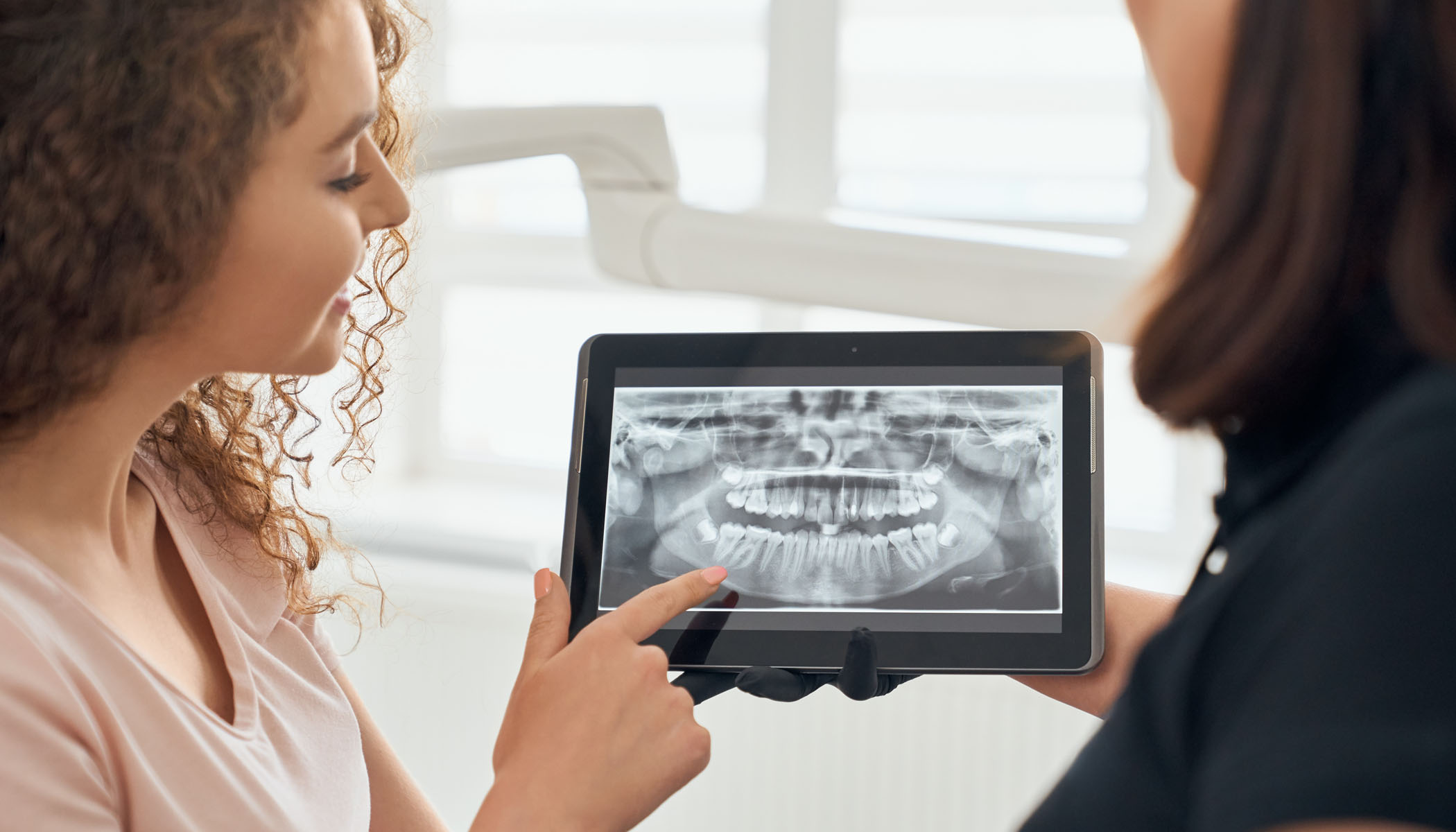
Sudden sensitivity after dental trauma or alongside signs like gum recession also warrants professional evaluation. Our Canberra-based dentists will perform a thorough examination—using digital imaging if needed—to identify underlying causes like cracks, cavities, abscesses, or advanced gum disease, and provide tailored treatments such as fluoride applications, gum therapy, or restorative care to deliver lasting relief and protect your oral health.
Professional Treatment Options
When at-home care isn’t enough, professional treatments at Elfar Dental Belconnen Dentists offer targeted, long-lasting solutions for tooth sensitivity. Depending on the underlying cause, our dentists may apply high-concentration fluoride varnishes or gels to strengthen enamel and block pain signals, or use dental bonding resin to seal exposed root surfaces and protect sensitive dentin.
For sensitivity caused by grinding or clenching, a custom-fitted night guard prevents further enamel wear, while gum grafting can address recession and cover vulnerable roots. If decay or cracks are the issue, fillings, crowns, or root canal therapy may be recommended to eliminate infection and restore tooth integrity.
These evidence-based treatments not only provide immediate comfort but also address the source of sensitivity—ensuring your smile stays healthy, functional, and pain-free for years to come.
Preventing Tooth Sensitivity: Daily Habits to Adopt
Preventing tooth sensitivity starts with consistent, gentle habits that protect your enamel and gums. Use a soft-bristled toothbrush and brush gently in circular motions to clean effectively without abrasion, and choose a fluoride toothpaste to naturally strengthen enamel against wear and acid attacks.
Floss daily to prevent gum recession caused by plaque buildup, and rinse with water after consuming acidic foods or drinks like citrus, coffee, or wine to neutralize erosive acids. Avoid brushing immediately after meals when enamel is temporarily softened, and if you grind your teeth, consider a night guard to prevent enamel thinning.
Regular dental check-ups at Elfar Dental Belconnen ensure early detection of issues like grinding or gum disease, helping you maintain a resilient, pain-free smile through proactive care.
Simple Steps to Protect Your Smile and Heart
A healthy smile supports your overall wellness. Maintaining good oral hygiene—like brushing, flossing, and regular dental check-ups—supports your overall health.
It’s a simple, daily routine with benefits that reach far beyond your smile.
- Floss once daily to clean between teeth and remove plaque and food particles
- Clean your tongue each day to remove bacteria and keep breath fresh
- Always brush gently in circles for at least two full minutes daily.
- Brush your teeth gently for at least two minutes each time.
- Replace toothbrush every three months or if bristles fray.
Your mouth is more than a gateway—it’s a reflection of overall health, including the condition of your heart. The connection between oral and cardiovascular health is a reminder.
About Our Dental Practice

Your Belconnen dentist. Discover more about our dental care services. Book a visit.
Ready to book your appointment?
📞 Call Our Family-Friendly Team at (02) 6251 9991
💻 Book online easily at Get Appointment
📍 Visit our modern clinic at 21 Benjamin Way, Suite 5F, Belconnen ACT 2617
Elfar Dental – Your partner for family dental care in Belconnen, Canberra, ACT.
Important Note:
This information is for educational purposes and should not replace professional dental advice. Every patient’s situation is unique, and treatment decisions should be made in partnership with qualified dental professionals. Always seek the advice of your dentist with any questions about your oral health. If you have severe dental phobia, speak with your dentist about appropriate management options.