






Root Canal Treatment in Belconnen Canberra
At Elfar Dental in Belconnen, we provide personalised root canal treatment to help preserve natural teeth where clinically appropriate and support your long-term oral health. Using modern diagnostic technology and evidence-based techniques, our dentists carefully assess each tooth before recommending treatment. If you are experiencing persistent tooth pain, prolonged sensitivity, swelling or signs of dental infection, root canal treatment may be recommended following a comprehensive clinical examination. We will explain your diagnosis, treatment options, expected outcomes, potential risks and available alternatives, helping you make an informed decision about your dental care.
Ready to Book Your Visit?
Our friendly team provides personalised dental care to help you achieve and maintain a healthy smile.
Opening Hours
-
Monday8:00 Am - 5:00 Pm
-
Tuesday8:00 Am - 5:00 Pm
-
Wednesday8:00 Am - 5:00 Pm
-
Thursday8:00 Am - 5:00 Pm
-
Friday8:00 Am - 5:00 Pm
Visit Our Clinic
Visit our modern Belconnen clinic for personalised dental care in a comfortable and welcoming environment. We look forward to welcoming you.
Address:
Suite 5F, 21 Benjamin Way, Belconnen ACT 2617.
Give Us a Call
Have a question or need to book an appointment? Our friendly team is here to help with appointments, treatment enquiries and general information during clinic hours.
Phone:
(02) 6251 9991
Clinic Hours:
Monday – Friday: 8:00 AM – 5:00 PM
If we’re unable to answer your call, please leave a voicemail and we’ll return your call as soon as we can.



Preserving Your Natural Tooth Through Modern Dental Care
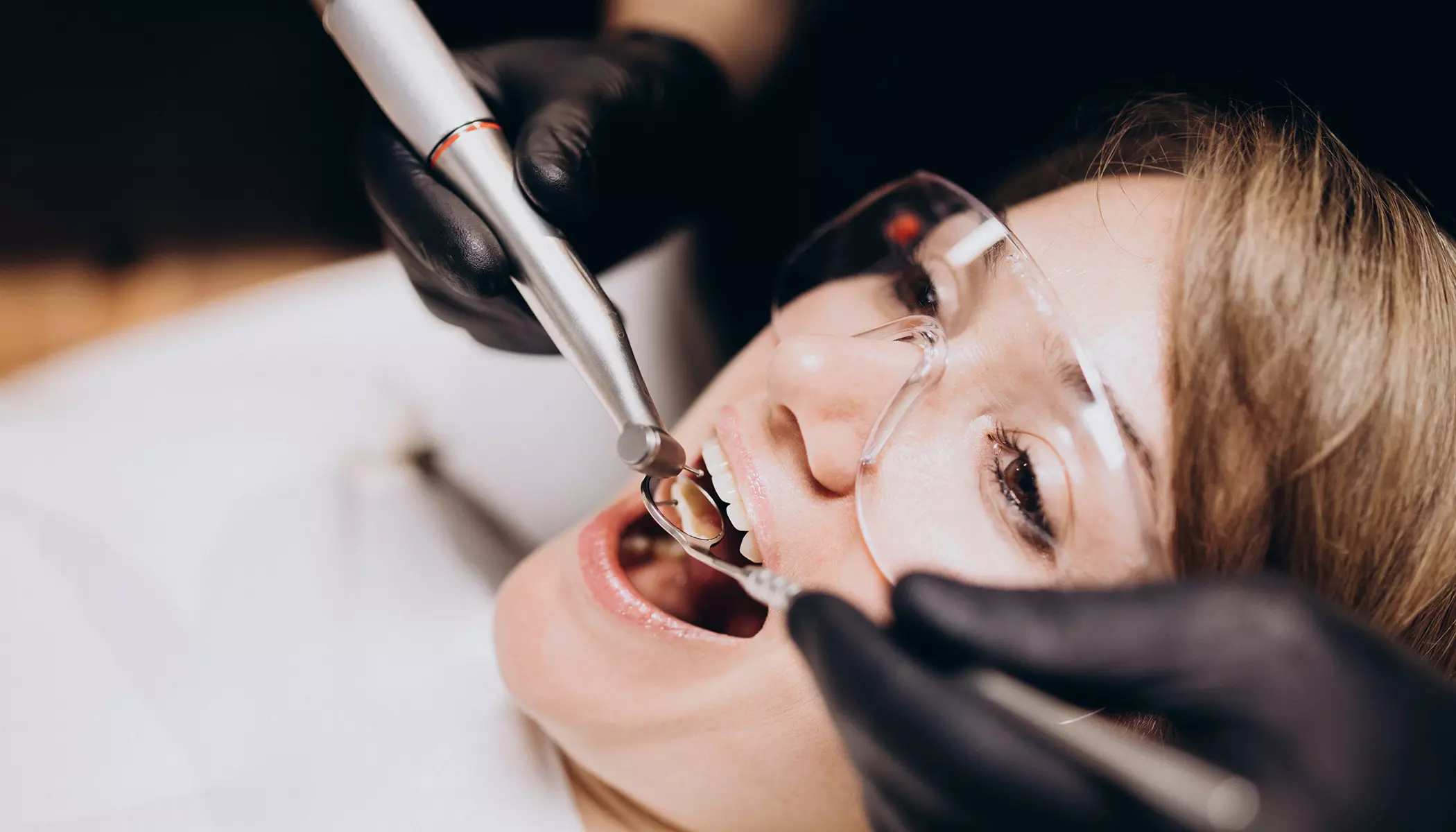
Whenever possible, preserving a natural tooth is generally considered preferable to removing it. Root canal treatment is designed to remove infected or inflamed tissue from inside the tooth while retaining the healthy outer tooth structure. When performed for appropriate clinical reasons, this treatment can help relieve infection, preserve normal chewing function and reduce the need for tooth extraction.
At Elfar Dental, every treatment recommendation begins with a comprehensive assessment of your oral health. Our dentists evaluate the condition of the affected tooth, surrounding gums, and supporting bone before determining whether root canal treatment is the most appropriate option. If another treatment is better suited to your individual circumstances, we will discuss those options with you.
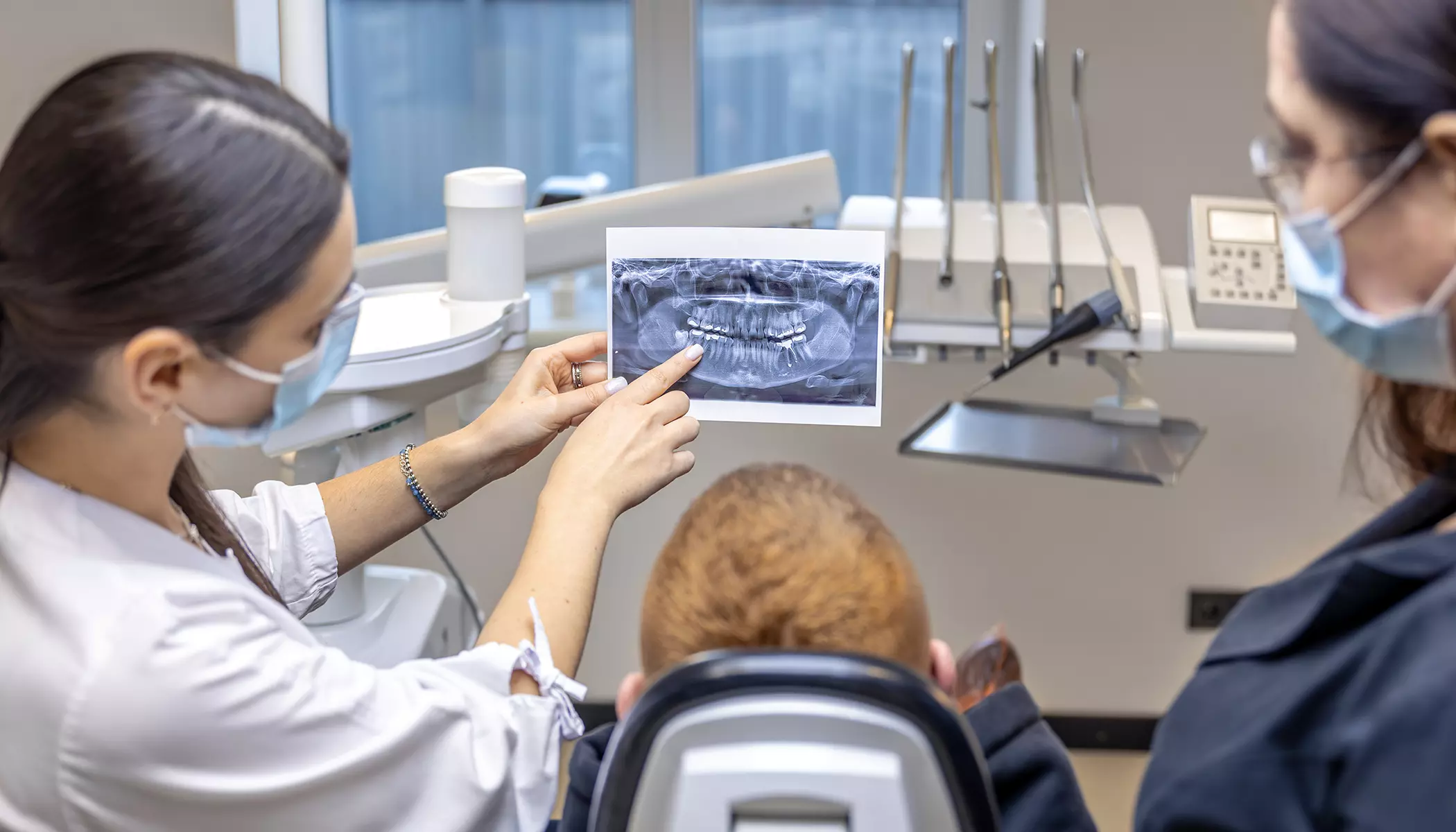
Using digital imaging and careful treatment planning, we aim to preserve as much healthy tooth structure as possible while supporting your long-term oral health and function.
Book a consultation to discuss your symptoms and determine whether root canal treatment is appropriate for your individual needs.
Disclaimer
Treatment recommendations are based on an individual clinical examination and diagnostic findings. Your dentist will discuss the expected benefits, potential risks, limitations and alternative treatment options before treatment begins.
Understanding Root Canal Treatment
How Root Canal Treatment Helps Preserve Natural Teeth
Signs That May Indicate Root Canal Treatment Is Needed
Recognising the Symptoms of an Infected or Damaged Tooth
Some common signs that may prompt your dentist to investigate whether root canal treatment is appropriate include:
- Persistent or spontaneous toothache
- Lingering sensitivity to hot or cold foods and drinks
- Pain or discomfort when biting or chewing
- Swelling or tenderness in the surrounding gums
- A pimple-like swelling (dental abscess) on the gums
- Tooth darkening or discolouration following trauma
- A cracked or fractured tooth causing ongoing discomfort

Common Causes of Dental Pulp Infection
Understanding Why Root Canal Treatment May Be Recommended
The dental pulp is protected by the hard outer layers of the tooth. However, when bacteria gain access to the pulp, inflammation or infection can develop. Depending on the extent of the damage, root canal treatment may be recommended to preserve the tooth.
Some of the most common causes include:
Deep Tooth Decay
Untreated dental decay can gradually penetrate through the enamel and dentine until bacteria reach the pulp, causing inflammation and infection.
Cracked or Fractured Teeth
A crack in the tooth may allow bacteria to enter the pulp. Some cracks are visible, while others require clinical examination and imaging to diagnose.
Dental Trauma
A sporting injury, fall or impact to the mouth may damage the blood supply to a tooth, even if no visible fracture is present. Symptoms may develop immediately or months after the injury.
Large or Repeated Dental Restorations
Teeth that have undergone multiple fillings or extensive restorative treatment may become more susceptible to pulp irritation over time.
Advanced Tooth Wear
Severe tooth wear caused by grinding (bruxism), erosion or long-term abrasion may expose the deeper layers of the tooth, increasing the risk of pulp inflammation.
Every patient’s situation is different. During your consultation, your dentist will identify the cause of the problem and explain the available treatment options based on your individual clinical findings.
Why Preserving a Natural Tooth Is Often Preferred
The Importance of Maintaining Natural Function and Oral Health
Where clinically appropriate, preserving a natural tooth is generally preferable to extraction. Root canal treatment allows an infected or inflamed tooth to remain in the mouth while removing the source of infection from inside the tooth.
Potential benefits of retaining a natural tooth may include:
- Maintaining your natural bite and chewing function
- Helping distribute biting forces evenly across your teeth
- Preserving neighbouring teeth by avoiding unnecessary movement into an extraction space
- Supporting jawbone health by maintaining natural tooth function
- Avoiding or delaying the need for tooth replacement options, such as dental implants or bridges
Following root canal treatment, many teeth require a permanent restoration—such as a filling or dental crown—to restore strength and function. Your dentist will recommend the most appropriate restoration based on the condition and location of the treated tooth.
While root canal treatment has a high success rate when appropriately planned and performed, outcomes vary between individuals. Long-term success depends on factors including the extent of infection, the quality of the final restoration and ongoing oral hygiene and dental care.
Preserving a natural tooth is not always possible. If root canal treatment is unlikely to achieve a predictable outcome, your dentist will discuss alternative treatment options, including tooth extraction where appropriate.
What to Expect During Root Canal Treatment
A Step-by-Step Approach to Preserving Your Natural Tooth
Every root canal treatment begins with a comprehensive clinical examination to confirm the diagnosis and determine whether the tooth can be predictably treated. Your dentist will explain the recommended treatment, expected outcomes, potential risks, benefits and available alternatives before treatment begins.
While every case is different, root canal treatment generally involves the following steps:
Step 1 – Comprehensive Examination & Diagnosis
Your dentist will assess the affected tooth using a clinical examination and diagnostic imaging, such as digital dental X-rays. This helps determine the extent of infection or inflammation and whether root canal treatment is clinically appropriate.
Step 2 – Local Anaesthetic for Comfort
The area around the affected tooth is numbed using local anaesthetic to help keep you comfortable throughout the procedure. Most patients report that root canal treatment feels similar to having a routine dental filling once the tooth is fully numb.
Step 3 – Cleaning the Root Canal System
A small opening is created in the tooth to access the infected or inflamed pulp. Specialised instruments are then used to carefully clean, shape and disinfect the root canal system while preserving as much healthy tooth structure as possible.
Step 4 – Filling & Sealing the Tooth
After the canals have been thoroughly cleaned, they are filled with a biocompatible material and sealed to help reduce the risk of future bacterial contamination.
Step 5 – Restoring the Tooth
Depending on the amount of remaining tooth structure, the treated tooth may be restored with either a dental filling or a custom-made dental crown. A crown is often recommended for back teeth because it may provide additional strength and protection during normal chewing.
Root canal treatment may be completed in a single appointment or over multiple visits, depending on the complexity of the case, the extent of infection and your individual clinical circumstances.
Our team will explain every stage of your treatment so you understand what to expect before, during, and after your procedure.
Modern Technology Supporting Root Canal Treatment
Accurate Diagnosis and Careful Treatment Planning
Accurate diagnosis and careful treatment planning are important for successful root canal treatment. At Elfar Dental, we use modern dental technology to assist with diagnosis, treatment planning, and patient education.
Our practice incorporates:
Digital Dental X-rays
Digital imaging provides detailed views of the tooth roots and surrounding bone while using lower radiation than many traditional film X-ray systems.
Digital Diagnostics
Clinical examination combined with modern diagnostic imaging helps identify infection, assess root anatomy and determine whether root canal treatment is appropriate.
Rotary Endodontic Instruments
Specialised rotary instruments assist in cleaning and shaping the root canal system with precision while supporting efficient treatment.
High-Quality Restorative Materials
Following treatment, we use quality restorative materials to rebuild and protect the tooth based on its individual clinical requirements.
Every treatment is tailored to the patient’s individual needs, with the goal of preserving natural tooth structure whenever clinically appropriate.
Why Choose Elfar Dental for Root Canal Treatment?
Choosing the right dental team can help make root canal treatment a more comfortable and informed experience. At Elfar Dental, we focus on personalised care, clear communication and evidence-based treatment planning.
Personalised Treatment
Every patient receives an individual assessment, allowing treatment recommendations to be tailored to their oral health needs and clinical findings.
Gentle, Patient-Focused Care
We understand that many people feel anxious about root canal treatment. Our team takes time to explain each stage of care and answer your questions before treatment begins.
Modern Dental Technology
Digital imaging and contemporary dental equipment assist with diagnosis, treatment planning and precise clinical care.
Comprehensive Dental Care
If your tooth requires further restoration after root canal treatment, we can provide fillings, dental crowns and ongoing preventive care to support long-term oral health.
Ongoing Support
Following treatment, we provide personalised aftercare instructions and recommend regular dental examinations to help maintain the health of your restored tooth.
If your tooth requires treatment beyond the scope of care provided in our practice, we will discuss referral to an appropriately qualified dental specialist where clinically indicated.
Recovery After Root Canal Treatment
What to Expect Following Your Procedure
Most patients are able to return to their normal daily activities shortly after root canal treatment. As the local anaesthetic wears off, it is common to experience mild tenderness or sensitivity around the treated tooth for a few days. This usually settles as the surrounding tissues heal.
Your dentist may recommend over-the-counter pain relief, where appropriate, and will provide personalised aftercare instructions based on your treatment.
To support healing, we generally recommend that you:
- Avoid chewing on the treated tooth until the permanent restoration has been placed, if advised.
- Maintain good oral hygiene by brushing twice daily and flossing regularly.
- Attend any recommended follow-up appointments.
- Contact the practice if you experience persistent pain, increasing swelling or other unexpected symptoms.
If your tooth requires a dental crown following root canal treatment, it is important to have this placed within the timeframe recommended by your dentist to help protect the remaining tooth structure.
With appropriate restoration, good oral hygiene and regular dental examinations, many root canal-treated teeth can remain functional for many years.
Root Canal Treatment or Tooth Extraction?
Understanding Your Treatment Options
In some situations, both root canal treatment and tooth extraction may be appropriate options. The most suitable treatment depends on the condition of the tooth, the extent of infection, the amount of remaining tooth structure and your overall oral health.
Where a tooth can be predictably restored, preserving the natural tooth is often considered preferable because it helps maintain normal chewing function and tooth alignment.
However, if a tooth is severely damaged or cannot be predictably restored, extraction may be the more appropriate option. If extraction is recommended, your dentist will discuss replacement options such as a dental implant, bridge or removable denture where appropriate.
During your consultation, we will explain:
- The condition of your tooth.
- Whether root canal treatment is clinically appropriate.
- The expected benefits and limitations of each treatment option.
- Potential risks and costs.
- Long-term considerations for your oral health.
Our goal is to help you make an informed decision based on your individual clinical circumstances.
Why Choose Elfar Dental for Your Root Canal Care?
At Elfar Dental, we are committed to providing patient-centred dental care based on careful diagnosis, evidence-based treatment planning and clear communication. We understand that root canal treatment can feel unfamiliar to many patients, and we take the time to explain every stage of your care.
Comprehensive Assessment
Every treatment begins with a thorough clinical examination and appropriate diagnostic imaging to determine whether root canal treatment is suitable for your individual needs.
Individualised Treatment Planning
No two teeth are the same. We develop personalised treatment plans based on your symptoms, clinical findings and long-term oral health goals.
Modern Diagnostic Technology
Our Belconnen practice uses digital imaging and contemporary dental equipment to support accurate diagnosis and careful treatment planning.
Patient Education
We believe informed patients make confident decisions. Before treatment begins, we explain the procedure, expected outcomes, potential risks, benefits and available alternatives.
Continuity of Care
We believe informed patients make confident decisions. Before treatment begins, we explain the procedure, expected outcomes, potential risks, benefits and available alternatives.
Meet Dr. Mohamed Elfar
Dr. Mohamed Elfar is a General Dentist registered with the Australian Health Practitioner Regulation Agency (AHPRA). He provides a broad range of general dental treatments, including root canal treatment, within his scope of practice.
Dr. Elfar is committed to ongoing professional education and evidence-based dentistry, allowing him to provide contemporary dental care tailored to each patient’s individual needs.
Important Information
The information on this page is intended for general educational purposes only and should not replace professional dental advice, diagnosis or treatment.
Root canal treatment may not be suitable for every patient. Treatment recommendations are based on an individual clinical examination, diagnostic findings and your overall oral health. As with any dental procedure, treatment involves potential benefits, limitations and risks, which your dentist will discuss before treatment begins.
If you are experiencing severe dental pain, swelling or trauma, please contact Elfar Dental promptly to arrange an assessment or seek urgent dental care where appropriate.
Book a Root Canal Consultation
If you are experiencing persistent tooth pain, prolonged sensitivity or have been advised that you may require root canal treatment, our team is here to help.
Book a consultation at Elfar Dental in Belconnen for a comprehensive assessment. We will discuss your symptoms, explain your treatment options and determine whether root canal treatment is appropriate for your individual needs.
Frequently Asked Questions About Root Canal Treatment
We understand that many patients have questions about root canal treatment. Below are answers to some of the most common questions we receive.
Q: What is root canal treatment?
A: Root canal treatment is a dental procedure used to treat infection or inflammation within the soft tissue (dental pulp) inside a tooth. The procedure involves removing the infected or damaged pulp, cleaning and disinfecting the root canal system, and sealing the canals to help preserve the natural tooth where clinically appropriate. In many cases, the tooth is then restored with a filling or dental crown.
Q: How do I know if I need root canal treatment?
A: Symptoms that may indicate the need for root canal treatment include persistent toothache, prolonged sensitivity to hot or cold, pain when biting, swelling around the gums, or a dental abscess. However, these symptoms can also be caused by other dental conditions. A comprehensive dental examination and appropriate diagnostic imaging are required to determine the underlying cause and whether root canal treatment is appropriate.
Q: Is root canal treatment painful?
A: Modern root canal treatment is performed under local anaesthetic to help keep you comfortable during the procedure. Most patients report that the experience is similar to having a routine dental filling. Some mild tenderness or sensitivity after treatment is common and usually settles over the following few days.
Q: How long does root canal treatment take?
A: The length of treatment depends on factors such as the number of root canals, the complexity of the tooth and the extent of infection. Some teeth can be treated in a single appointment, while others may require two or more visits. Your dentist will explain the recommended treatment plan during your consultation.
Q: Will I need a dental crown after root canal treatment?
A: Many teeth, particularly back teeth, benefit from a dental crown following root canal treatment because a crown may provide additional strength and protection. Whether a crown is recommended depends on the amount of remaining tooth structure and the location of the tooth.
Q: What happens if I don't have root canal treatment?
A: If an infected tooth is left untreated, the infection may worsen and potentially spread to surrounding tissues. This can result in ongoing pain, swelling, the formation of a dental abscess, or the eventual loss of the tooth. Your dentist will discuss the potential consequences of delaying treatment and any alternative treatment options.
Q: Can antibiotics replace root canal treatment?
A: Antibiotics may be prescribed in specific circumstances, such as when an infection has spread beyond the tooth. However, antibiotics alone do not remove infection from inside the root canal system. Where root canal treatment is clinically indicated, it is generally required to remove the source of the infection within the tooth.
Q: How long does a root canal-treated tooth last?
A: Many root canal-treated teeth remain functional for many years when appropriately restored and maintained with good oral hygiene and regular dental examinations. Long-term outcomes vary depending on factors such as the condition of the tooth, the quality of the restoration and ongoing oral care.
Q: Are there alternatives to root canal treatment?
A: Depending on the condition of the tooth, alternatives may include monitoring, extraction or other restorative treatment. If a tooth cannot be predictably restored, extraction may be recommended. Your dentist will explain the benefits, limitations and potential risks of each option so you can make an informed decision.
Q: How much does root canal treatment cost?
A: The cost of root canal treatment varies depending on the tooth being treated, the complexity of the procedure and whether a dental crown or other restoration is required. Following your examination, we will provide a personalised treatment plan outlining the recommended treatment and associated fees before treatment begins.
Q: Can a root canal-treated tooth become infected again?
A: Although root canal treatment has a high long-term success rate, reinfection can occur in some cases. Factors such as new tooth decay, a cracked tooth or failure of the restoration may allow bacteria to re-enter the tooth. Regular dental examinations help monitor the health of treated teeth.
Q: Is root canal treatment always successful?
A: Root canal treatment is a well-established procedure with a high success rate when appropriately planned and performed. However, as with all dental procedures, success cannot be guaranteed and outcomes vary between individuals. If further treatment is required, your dentist will discuss the available options, which may include retreatment, referral to a specialist endodontist or extraction where appropriate.
Routine Check-ups
Comprehensive dental examinations to assess your oral health and help identify potential concerns at an early stage.
Gum Treatment
Personalised periodontal care to help manage gum disease and support long-term gum health following clinical assessment.
Teeth Whitening
Professional teeth whitening that may improve the appearance of stained or discoloured teeth, where clinically appropriate.
Dental Fillings
Tooth-coloured dental fillings used to restore teeth affected by decay while supporting their function and appearance.