Dental Cleaning vs Check-Up: What’s the Difference?
Have you ever booked a dental appointment and wondered whether you need a dental check-up, a professional cleaning, or both?
Although dental cleaning and dental check-ups are often discussed together, they have different purposes.
A dental check-up is primarily an assessment of your oral health. Your dentist examines your teeth, gums and mouth, discusses any concerns and may recommend further investigation or treatment when clinically appropriate.
A professional dental cleaning, sometimes called a scale and clean, focuses on removing plaque, calculus (tartar) and certain deposits from the teeth that cannot always be removed effectively through routine brushing and cleaning between the teeth.
In many cases, both may form part of a preventive dental appointment, depending on your individual oral health needs.
At Elfar Dental in Belconnen, Canberra, your dentist can assess your oral health and discuss an appropriate approach based on your circumstances.
Dental Cleaning vs Dental Check-Up: The Simple Difference
The easiest way to understand the difference is:
Dental check-up = assessing your oral health
Dental cleaning = professionally removing plaque, calculus and surface deposits
A check-up helps your dentist identify areas that may require attention. A professional cleaning helps remove deposits that can accumulate on the teeth.
They can complement each other, but one does not necessarily replace the other.
What Is a Dental Check-Up?
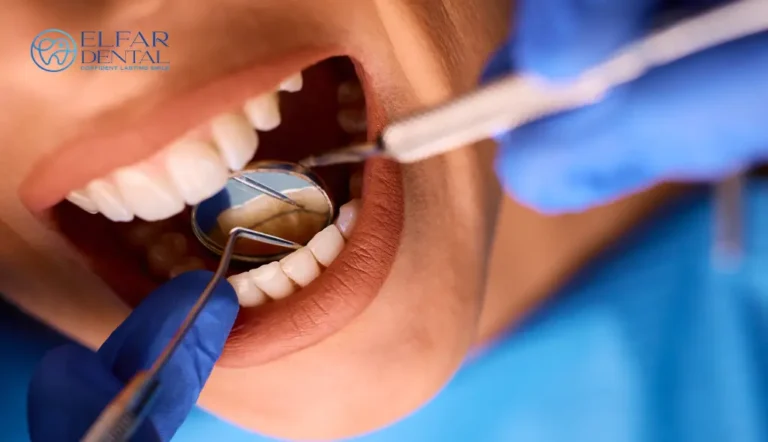
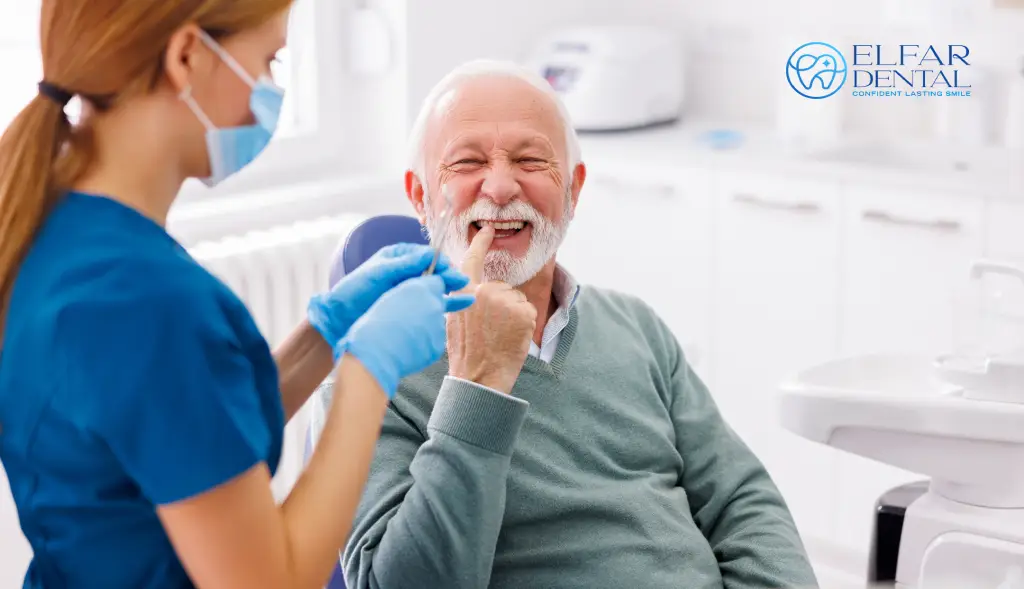
A dental check-up involves an assessment of your teeth, gums and mouth.
Depending on your individual circumstances, your dentist may:
Ask about your dental and medical history
Discuss any tooth pain, sensitivity or other concerns
Examine your teeth for signs of decay or damage
Assess your gums
Check for plaque and calculus
Look for changes in your mouth that may require further assessment
Assess existing fillings, crowns or other dental work where relevant
Discuss your oral hygiene routine
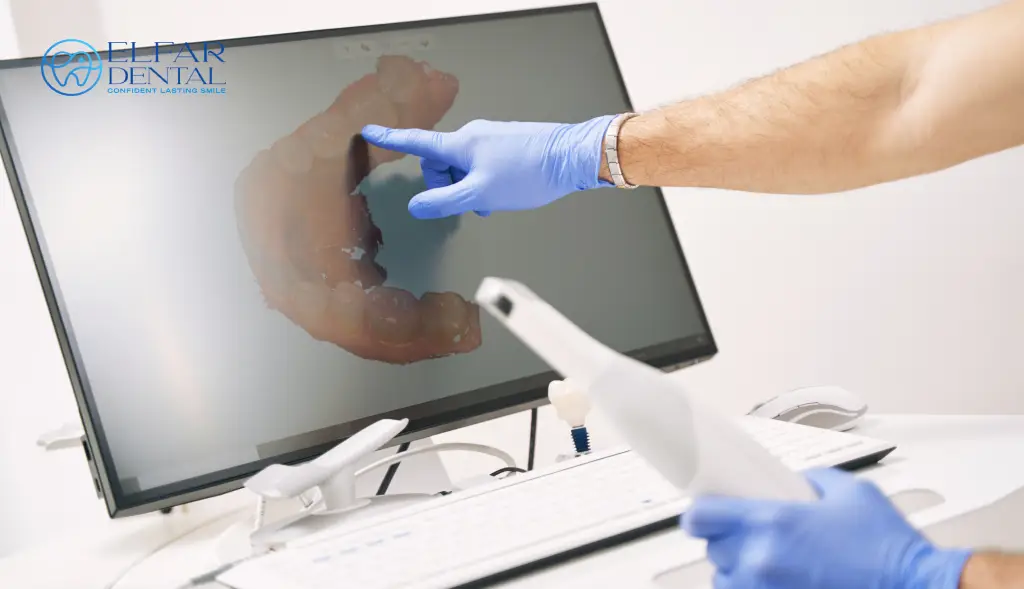
Consider dental X-rays when clinically appropriate
Provide personalised oral health advice
Discuss whether further dental care may be appropriate
A check-up does not necessarily mean that you need treatment.
The purpose is to assess your current oral health and help determine whether any further care or monitoring may be appropriate.
What Is a Professional Dental Cleaning?
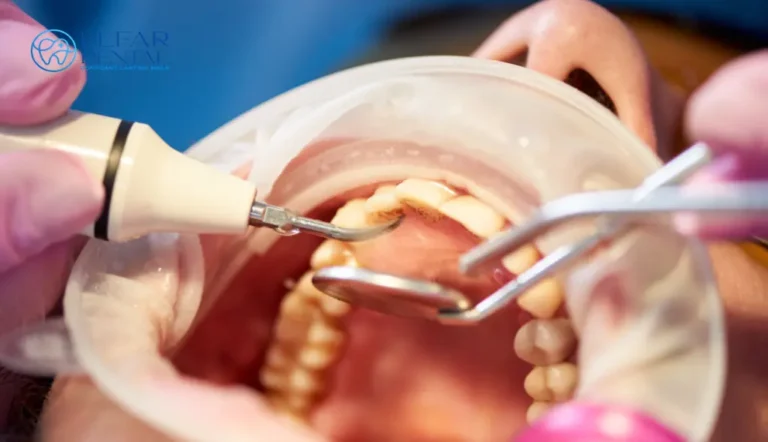
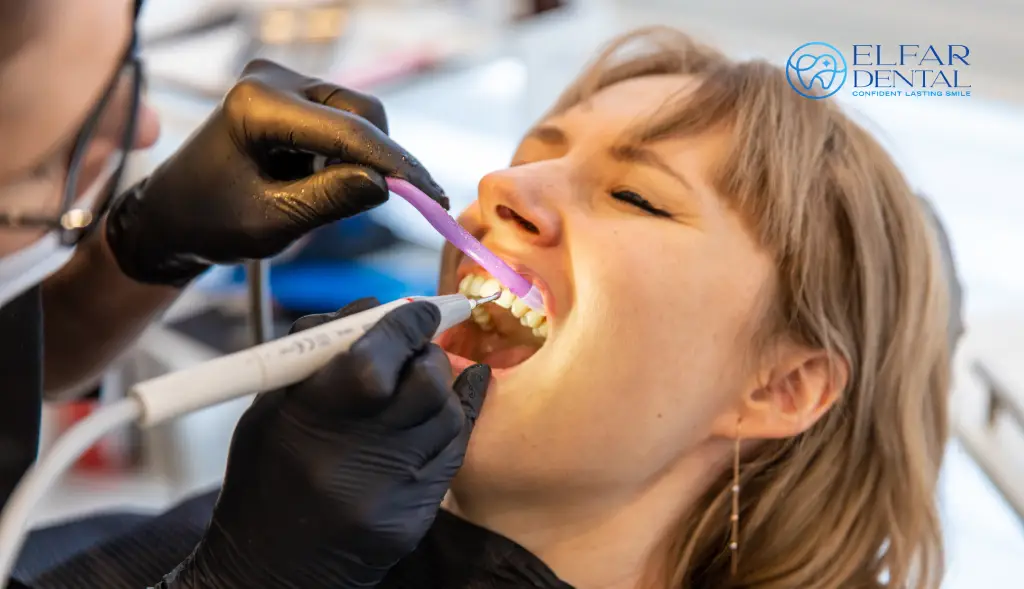
A professional dental cleaning involves the removal of plaque, calculus and other deposits from the teeth using professional dental instruments.
Plaque is a sticky film that develops on teeth. If it is not removed effectively, it can contribute to tooth decay and gum problems.
Over time, plaque can harden into calculus, also known as tartar. Unlike soft plaque, calculus cannot be effectively removed with ordinary brushing at home and generally requires professional removal.
During a professional cleaning, your dental practitioner may:
Examine areas where plaque and calculus have accumulated
Professionally remove calculus and deposits
Clean around the gumline and between accessible areas
Polish the teeth where appropriate
Discuss brushing and interdental cleaning techniques
Provide personalised oral hygiene advice
The exact approach depends on your teeth, gums and individual oral health needs.
Is a Dental Cleaning the Same as a Check-Up?
No.
Although they may occur during the same dental visit, they serve different purposes.
A check-up focuses on assessment and diagnosis of oral health concerns.
A cleaning focuses on professional removal of plaque, calculus and certain deposits.
For example, a person may have relatively little calculus but still require a dental examination to assess a tooth that has become sensitive.
Likewise, someone may need professional cleaning because of significant calculus build-up even if they do not currently have tooth pain.
This is why your dentist may recommend different types of care depending on your individual circumstances.
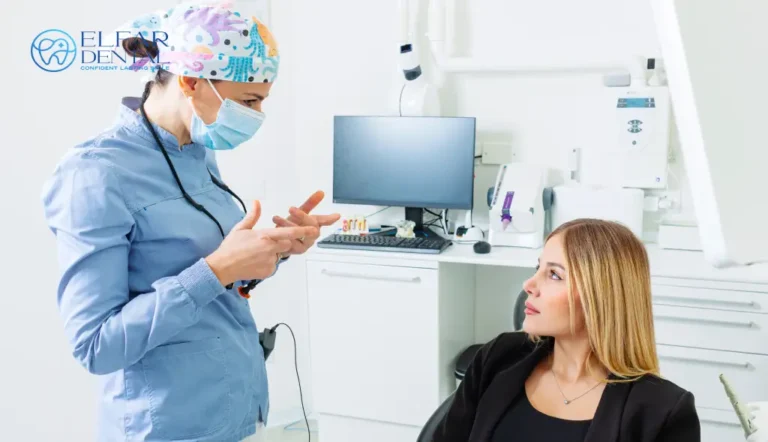
Why Do I Need a Dental Check-Up If I Just Had My Teeth Cleaned?
This is a common question.
A professional cleaning does not replace a comprehensive dental assessment.
Cleaning removes deposits from your teeth, but your dentist may also need to assess areas that cannot be evaluated simply by looking at plaque or calculus.
During a check-up, your dentist can consider issues such as:
Tooth decay
Gum inflammation
Gum recession
Tooth wear
Cracked or damaged teeth
Tooth sensitivity
Existing dental restorations
Changes in your oral tissues
Other symptoms or concerns
Some dental problems may not cause noticeable symptoms in their early stages. Regular dental assessments can therefore be useful even when your teeth feel comfortable.
Why Is Professional Dental Cleaning Important?
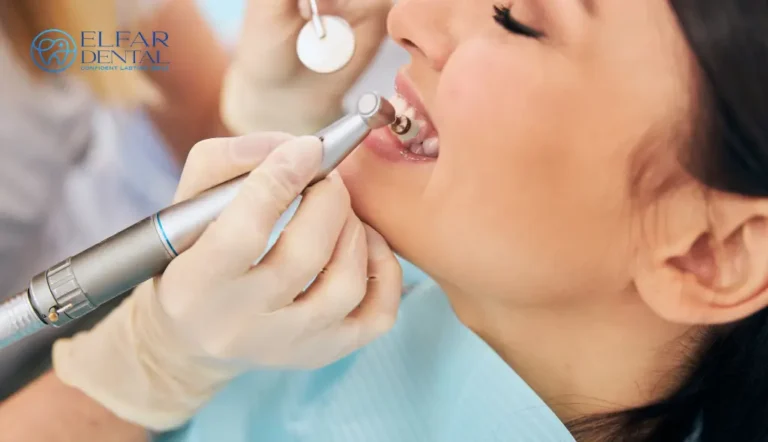
Daily brushing and cleaning between your teeth are fundamental parts of maintaining oral hygiene.
However, some areas can be difficult to clean thoroughly at home.
Calculus can build up around the teeth and gumline and cannot be removed effectively with ordinary brushing.
Professional cleaning can help remove these deposits and support good oral hygiene.
Healthdirect recommends brushing twice a day with fluoride toothpaste, cleaning between the teeth daily and having regular dental check-ups.
The appropriate frequency of professional cleaning can vary between individuals.
Your dentist or dental practitioner can recommend an interval based on factors such as your oral health, plaque and calculus accumulation, gum health and other individual considerations.
How Often Should You Have Your Teeth Professionally Cleaned?
There is no single cleaning schedule that is suitable for everyone.
Some people may require professional cleaning as part of regular preventive dental appointments, while others may need more individualised care depending on their oral health.
Your dentist may consider:
How quickly calculus builds up
Your gum health
Your oral hygiene routine
Previous dental findings
Smoking status
Dry mouth
Certain medications
Dietary habits
Your individual risk of dental problems
Rather than choosing an appointment interval based solely on someone else’s routine, discuss your individual needs with your dental practitioner.
How Often Should You Have a Dental Check-Up?
Healthdirect advises that many people have dental check-ups every 6 to 12 months, although the appropriate frequency can vary according to individual circumstances and the advice of your dental practitioner.
You may need to contact your dentist sooner if you develop:
Toothache
Persistent tooth sensitivity
Bleeding or swollen gums
Facial swelling
A broken or damaged tooth
A change in your mouth
Pain when biting or chewing
Another dental concern that does not resolve
You do not necessarily need to wait until your next routine appointment if something changes.
What Happens During a Dental Cleaning?
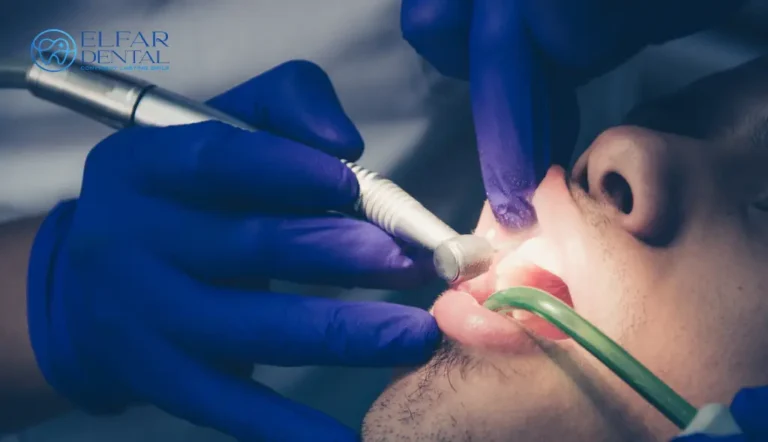
A professional cleaning may vary depending on the condition of your teeth and gums.
Your dental practitioner may first examine your mouth and identify areas where plaque or calculus have accumulated.
Professional instruments may then be used to remove deposits from the teeth.
The teeth may also be polished where appropriate.
Your dental practitioner may discuss:
Brushing technique
Cleaning between your teeth
Fluoride toothpaste
Diet and oral health
Areas that are difficult to clean
Your recommended follow-up care
If you experience sensitivity during cleaning, tell your dental practitioner. They can take your symptoms into account when providing care.
What Happens During a Dental Check-Up?
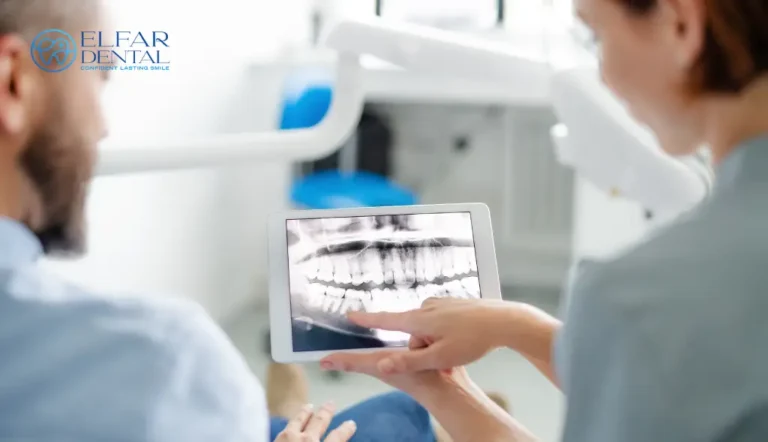
A dental check-up is more focused on assessing your overall oral health.
Your dentist may examine:
Teeth
Your dentist may look for signs of:
Tooth decay
Cracks or damage
Tooth wear
Sensitivity-related concerns
Problems involving existing dental work
Gums
Your gums may be assessed for signs such as:
Redness
Swelling
Bleeding
Recession
Other changes that may require further assessment
Bleeding gums can be associated with gum disease and should not simply be ignored.
Mouth and Oral Tissues
Your dentist may also examine other areas of your mouth and discuss any changes or concerns you have noticed.
X-Rays When Appropriate
Dental X-rays are not necessarily required at every appointment.
Your dentist may recommend imaging when it is clinically appropriate to investigate particular concerns or areas that cannot be adequately assessed through a visual examination alone.
Can a Dental Cleaning Prevent Tooth Decay?
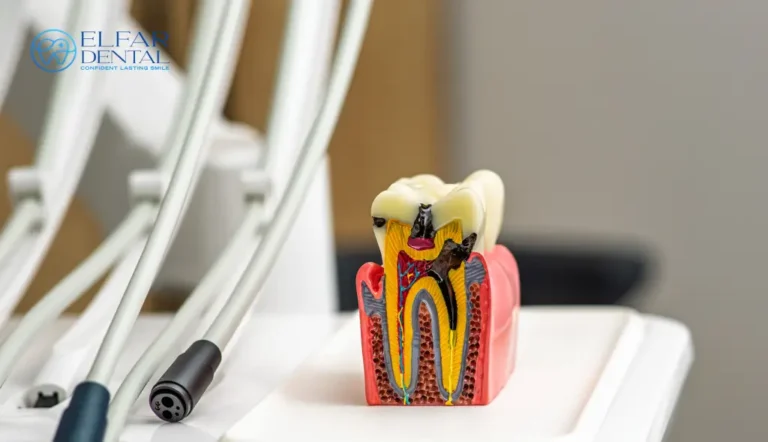
Professional cleaning can help remove plaque and calculus, but it should not be viewed as a replacement for daily oral hygiene.
Preventing tooth decay involves a combination of habits and professional care.
These may include:
Brushing twice daily with fluoride toothpaste
Cleaning between your teeth every day
Limiting frequent consumption of sugary foods and drinks
Drinking water
Attending dental check-ups as recommended
Following personalised advice from your dental practitioner
Tooth decay develops when acids produced by plaque bacteria damage tooth enamel over time. Regular oral hygiene and professional dental care can help reduce the risk.
What About Gum Health?
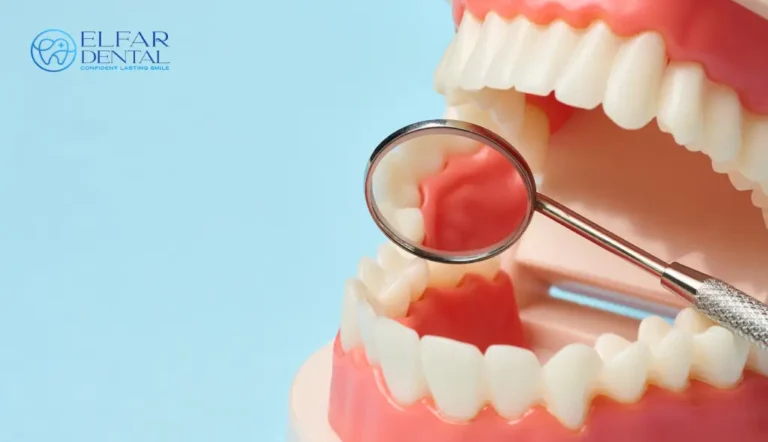
Good gum health is another important reason to maintain regular oral hygiene and dental visits.
Plaque accumulation along the gumline can contribute to inflammation of the gums.
Early gum disease, known as gingivitis, may cause gums to become red, swollen or prone to bleeding.
More advanced gum disease can affect the tissues supporting the teeth.
If you notice persistent bleeding, swelling, gum recession or loose teeth, arrange an assessment with a dental professional.
Dental Cleaning for Children
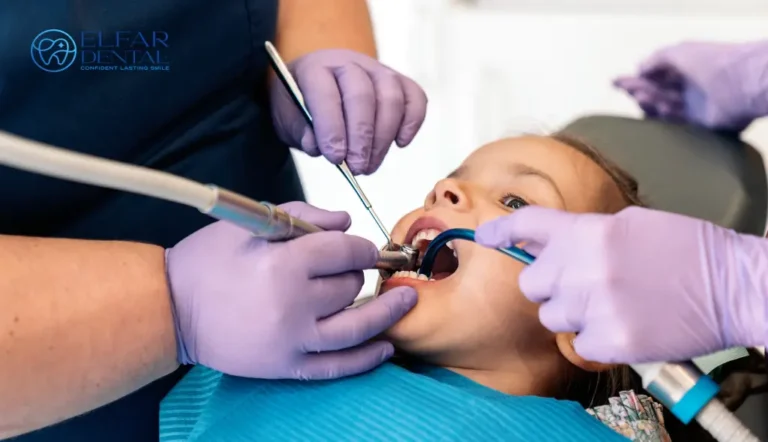
Children also benefit from appropriate dental care from an early age.
Regular dental visits allow a dental practitioner to monitor developing teeth, discuss oral hygiene and identify concerns that may require attention.
Children’s dental care may involve different considerations from adult dental care, so the recommended appointment frequency should be based on the child’s individual needs.
Parents can also help children establish good habits at home by encouraging regular brushing and appropriate cleaning between teeth where advised.
What If I Have Dental Anxiety?
Feeling nervous about visiting the dentist is not unusual.
If you feel anxious, tell your dental team before your appointment.
You can discuss:
What makes you uncomfortable
Previous dental experiences
Questions about the examination
Concerns about sensitivity
How you would prefer information to be explained
Clear communication can help your dental practitioner understand your concerns and tailor the appointment where appropriate.
Healthdirect also recommends telling your dental practitioner or their staff if you feel nervous about a dental check-up.
Do You Need Both a Check-Up and a Dental Cleaning?
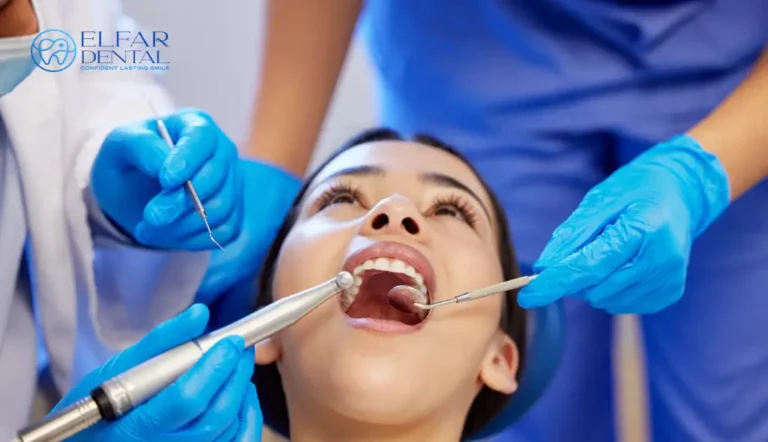
For many patients, a dental check-up and professional cleaning may be included within the same overall preventive dental care plan.
However, the need for each service and the recommended frequency can vary.
For example:
You may need a check-up to:
Assess tooth and gum health
Investigate symptoms
Monitor existing dental concerns
Determine whether further assessment is needed
You may need professional cleaning to:
Remove calculus
Remove accumulated plaque and deposits
Support gum and oral hygiene
Address areas that are difficult to clean effectively at home
Your dentist can assess your individual needs and explain what is appropriate for you.
Dental Cleaning in Canberra and Belconnen
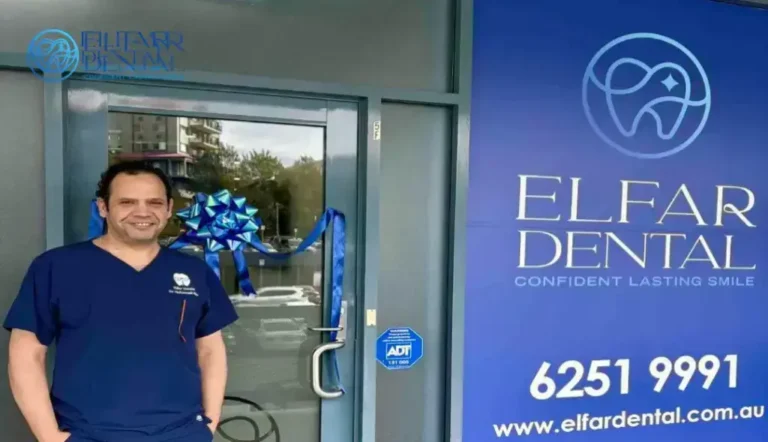
If you’re looking for dental cleaning in Canberra or Belconnen, Elfar Dental provides general dental care for individuals and families.
During your appointment, your dental practitioner can assess your oral health and discuss appropriate preventive care based on your individual circumstances.
The practice provides dental care in Belconnen for patients from surrounding Canberra suburbs, including Macquarie, Bruce, Aranda, Cook, Florey, Flynn, Evatt, McKellar, Kaleen, Lawson, Dunlop, Charnwood and surrounding areas.
Whether you are due for a routine check-up, have concerns about your gums or would like to discuss professional dental cleaning, an assessment can help determine the most appropriate next step.

About Our Dental Practice

Frequently Asked Questions
Q: What is the difference between a dental cleaning and a dental check-up?
A: A dental check-up focuses on assessing your teeth, gums and overall oral health. A professional dental cleaning focuses on removing plaque, calculus and other deposits from the teeth. They may be provided during the same overall dental visit.
Q: Is a dental cleaning part of a dental check-up?
A: It can be, depending on the practice, appointment and your individual needs. Your dentist can explain which aspects of preventive care are appropriate for you.
Q: How often should I get my teeth professionally cleaned?
A: There is no single interval that applies to everyone. Your dentist can recommend an appropriate frequency based on your oral health, calculus build-up, gum health and individual risk factors.
Q: How often should I have a dental check-up?
A: Many people may benefit from a dental check-up every 6 to 12 months, but the appropriate interval depends on individual oral health needs and your dental practitioner’s advice.
Q: Can I just have my teeth cleaned without a check-up?
A: A cleaning and a dental assessment have different purposes. If you have concerns about your teeth or gums, an appropriate dental assessment may be important rather than relying on cleaning alone.
Q: Does professional dental cleaning hurt?
A: Sensitivity can occur during some dental cleaning procedures, particularly where teeth or gums are sensitive. Tell your dental practitioner if you experience discomfort so they can take this into account during your care.
Q: Can professional cleaning remove tartar?
A: Yes. Calculus, also known as tartar, cannot be effectively removed by ordinary brushing at home and generally requires professional dental instruments.
Q: Should I see a dentist if my gums bleed when I brush?
A: Persistent bleeding gums should be assessed by a dental professional. Bleeding can be associated with gum inflammation and gum disease, among other possible causes.
Q: Do children need professional dental cleaning?
A: Children should have their oral health monitored by a dental professional. Whether professional cleaning is appropriate depends on the child’s individual oral health and clinical needs.
Q: Where can I get dental cleaning in Belconnen?
A: Elfar Dental provides general dental care in Belconnen, Canberra. Your dentist can assess your teeth and gums and discuss whether professional cleaning or other preventive care is appropriate for you.
Take the Next Step Towards Better Oral Care
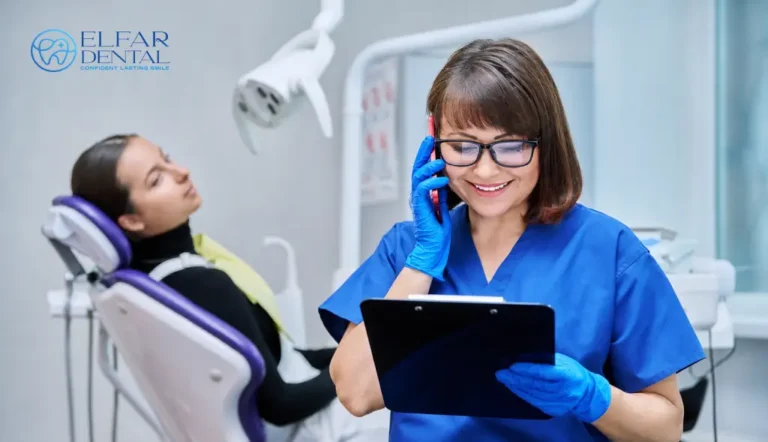
Not sure whether you’re due for a dental check-up, professional cleaning or both?
An assessment can help you understand the current condition of your teeth and gums and discuss an appropriate preventive care plan.
Elfar Dental in Belconnen, Canberra welcomes individuals and families seeking general dental care.
Book an appointment to discuss your oral health needs with the dental team.
At Elfar Dental in Belconnen, Canberra, Dr Mohamed Elfar, General Dentist, can assess your teeth and gums and discuss appropriate preventive and treatment options based on your individual circumstances.
Elfar Dental
Suite 5F, 21 Benjamin Way
Belconnen ACT 2617
Phone: (02) 6251 9991
Dr Mohamed Elfar — General Dentist
AHPRA Registration No.: DEN0000979762
Schedule an appointment with Dr. Mohamed Elfar, General Dentist, Registration No. DEN0000979762, at Elfar Dental in Belconnen.
Your Belconnen dentist. Discover more about our dental care services. Book a visit.
Ready to book your appointment?
📞 Call Our Family-Friendly Team at (02) 6251 9991
💻 Book online easily at Get Appointment
📍 Visit our modern clinic at 21 Benjamin Way, Suite 5F, Belconnen ACT 2617
Elfar Dental – Your partner for family dental care in Belconnen, Canberra, ACT.
Important Note:
This article provides general information about dental cleaning and dental check-ups and is not a substitute for individual professional dental advice.
Dental needs and recommended appointment intervals vary between individuals. Your dentist or dental practitioner can assess your circumstances and explain suitable options.
If you have persistent dental pain, facial swelling, significant bleeding, a damaged tooth or another urgent dental concern, seek appropriate dental assessment promptly.