How Often Should You Visit the Dentist? A Practical Guide to Dental Check-Ups
If your teeth feel fine and you are not experiencing pain, it can be tempting to postpone your next appointment. But dental problems do not always cause noticeable symptoms in their early stages.
Regular dental check-ups give your dentist an opportunity to examine your teeth, gums and mouth, identify changes and discuss ways to maintain your oral health.
For many people, dental check-ups are recommended every 6 to 12 months, although the appropriate interval can vary depending on your individual oral-health needs and risk factors.
So, how often should you actually visit the dentist?
In this guide, we explain what a dental check-up involves, why regular appointments matter, how often different people may need dental care and which symptoms should prompt you to arrange an appointment sooner.
What Is a Dental Check-Up?
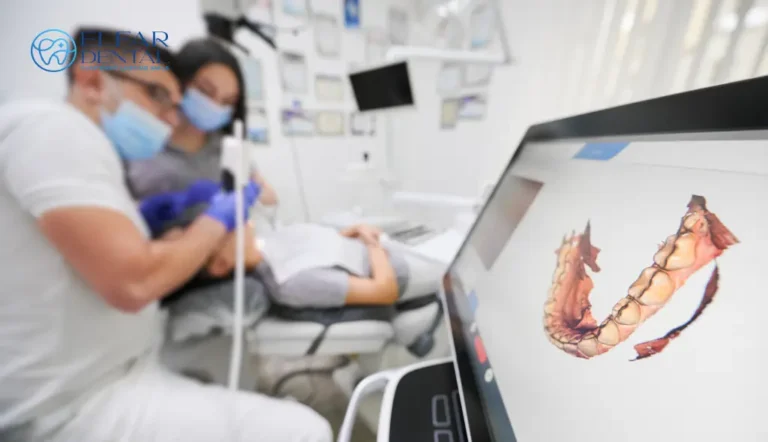
A dental check-up is more than simply having your teeth cleaned.
During an examination, your dentist may assess your:
- Teeth
- Gums
- Existing dental restorations
- Bite
- Mouth and surrounding oral tissues
- Overall oral-health condition
Depending on your circumstances, your dentist may also recommend dental X-rays or other diagnostic procedures.
A check-up provides an opportunity to identify potential dental concerns and discuss preventive care before deciding whether treatment is necessary.
The exact examination will depend on your individual circumstances.
How Often Should You Have a Dental Check-Up?
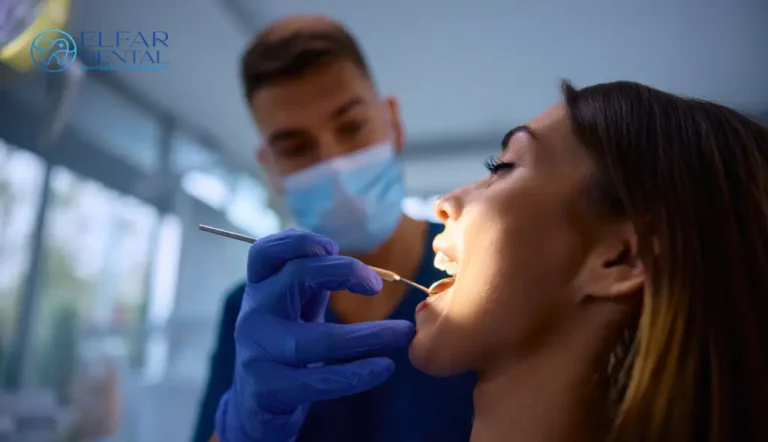
There is no single appointment schedule that is suitable for every person.
Healthdirect advises that many people should have a dental check-up every 6 to 12 months, while also noting that your dental practitioner can recommend how often you need an examination based on the condition of your teeth and gums.
Some people may need more frequent appointments because of their individual oral-health circumstances.
For example, your dentist may recommend a different recall interval if you have:
- A history of tooth decay
- Gum disease
- Frequent dental problems
- Multiple dental restorations
- Increased risk of tooth decay
- Certain medical or lifestyle factors
- Dental appliances
- Ongoing oral-health concerns
The important point is that your dental check-up schedule should be individualised rather than based solely on a fixed calendar rule.
Why Do I Need a Dental Check-Up If My Teeth Don't Hurt?
This is one of the most common questions about preventive dental care.
The absence of pain does not necessarily mean that everything in your mouth is healthy.
Some dental problems may develop before obvious symptoms appear.
For example, early tooth decay may not cause pain, while gum disease can sometimes progress without significant discomfort.
A dental examination can help your dentist look for changes that may not be obvious to you at home.
Regular check-ups can therefore form part of a preventive approach to oral health.
What Happens During a Dental Check-Up?
Your appointment will depend on your individual circumstances, but a dental check-up may involve several stages.

1. Discussing Your Dental History
Your dentist may ask about:
- Any current concerns
- Previous dental treatment
- Tooth sensitivity
- Gum bleeding
- Dental pain
- Your oral-hygiene routine
- Medications or relevant health information
- Changes since your previous appointment
This information helps your dentist understand your current oral-health situation.
2. Examining Your Teeth
Your dentist may check for signs of:
- Tooth decay
- Cracks or damage
- Tooth wear
- Existing filling problems
- Other changes affecting your teeth
If something requires further investigation, your dentist can explain what they have found and what diagnostic options may be appropriate.
3. Checking Your Gums
Your gums are an important part of a dental examination.
Your dentist may look for signs such as:
- Redness
- Swelling
- Bleeding
- Gum recession
- Plaque or calculus accumulation
- Other changes around the gumline
Regular gum assessment can be particularly important if you have previously experienced gum problems.
4. Assessing Your Bite
Your dentist may also consider how your upper and lower teeth come together.
Depending on your circumstances, bite assessment may be relevant when investigating tooth wear, grinding, discomfort or other dental concerns.
5. Dental X-Rays When Appropriate
Dental X-rays are not necessarily required at every appointment.
Your dentist may recommend imaging when there is a clinical reason to investigate areas that cannot be assessed adequately through a visual examination alone.
The type and frequency of X-rays should be determined according to your individual circumstances.
6. Preventive Advice
Your dentist may discuss:
- Brushing technique
- Fluoride toothpaste
- Cleaning between your teeth
- Dietary habits
- Gum health
- Tooth sensitivity
- Tooth wear
- Dental hygiene
- Future preventive care
The advice can be tailored to your individual oral-health needs.
Is a Dental Check-Up the Same as a Dental Cleaning?
Not exactly.
A dental check-up focuses on assessing your oral health.
A professional dental cleaning focuses on removing plaque, calculus and other deposits that may not be effectively removed through normal brushing and interdental cleaning.
The two may take place during the same appointment or as separate appointments depending on the practice, your needs and the treatment plan.
Professional cleaning can be particularly useful when calculus has accumulated around the teeth.
Your dentist or dental professional can advise whether professional cleaning is appropriate for you.
Why Are Regular Dental Check-Ups Important?
Regular dental care can support several aspects of oral health.
Early Identification of Dental Problems
Some dental problems may not cause noticeable symptoms initially.
A check-up provides an opportunity for your dentist to look for changes that you may not notice yourself.
Monitoring Existing Dental Work
If you have fillings, crowns, bridges or other dental restorations, your dentist can assess their condition during your examination.
This does not mean that every restoration needs to be replaced after a particular period.
The appropriate approach depends on the condition of the restoration and your individual circumstances.
Monitoring Gum Health
Regular assessment can help identify signs of gum inflammation and other changes.
This is particularly relevant if you have previously experienced bleeding gums or gum disease.
Preventive Advice
Your dental appointment is also an opportunity to discuss how your daily habits may affect your oral health.
Small changes to brushing, interdental cleaning or dietary habits may be recommended based on your individual situation.
What Happens If You Skip Dental Check-Ups?
Missing an occasional appointment does not automatically mean that you will develop a dental problem.
However, avoiding dental care for long periods can mean that potential problems are not assessed when they first develop.
Some conditions, such as tooth decay and gum disease, may progress before they cause obvious symptoms.
This is why regular dental care can be useful even when your teeth feel comfortable.
If you have missed several appointments, there is no need to feel embarrassed. Simply let your dental team know when you book your next appointment.
Do I Need a Dental Check-Up If I Have No Symptoms?
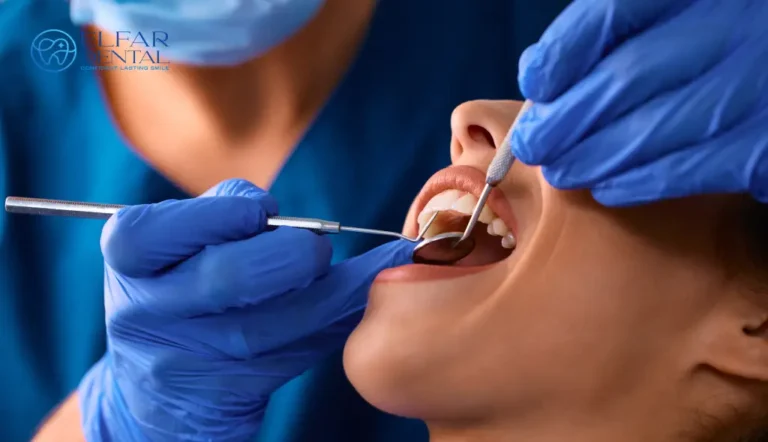
Generally, yes.
A lack of pain does not necessarily mean that an examination is unnecessary.
Regular dental check-ups can help monitor your teeth and gums and identify changes that may not yet be causing symptoms.
Your dentist can also recommend an appropriate recall interval based on your oral-health history.
When Should I See a Dentist Before My Next Routine Check-Up?
You do not necessarily need to wait for your next scheduled appointment if something changes.
Arrange a dental assessment if you experience:
- Toothache
- Persistent tooth sensitivity
- Bleeding gums
- Swollen gums
- A loose tooth
- A chipped or cracked tooth
- Facial or mouth swelling
- Pain when biting
- A dental injury
- A persistent mouth change that concerns you
Some symptoms may require more urgent assessment.
For example, significant facial swelling, difficulty breathing or bleeding that does not stop requires urgent medical or dental attention.
Dental Check-Ups for Children
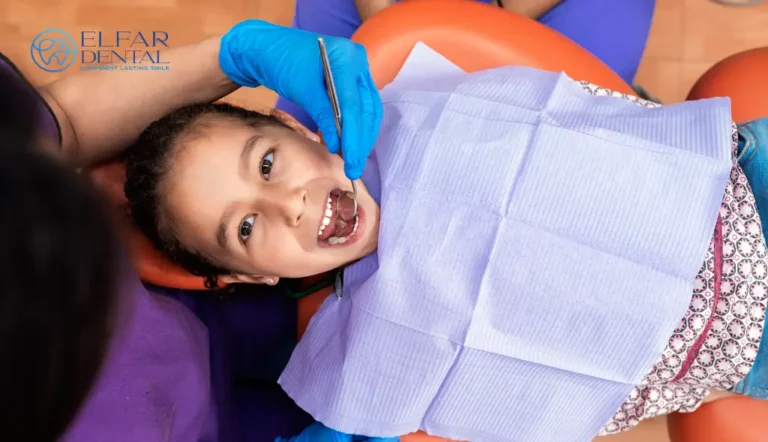
Children should begin dental care early.
Healthdirect recommends a child’s first dental check-up when their first tooth appears or by around 12 months of age, followed by regular dental visits.
Early dental appointments can help children become familiar with the dental environment and allow their teeth and gums to be monitored as they develop.
During children’s dental visits, your dental team may discuss:
- Tooth brushing
- Fluoride toothpaste
- Dietary habits
- Tooth development
- Thumb or finger-sucking habits
- Cleaning between teeth
- Dental decay
- Preventive treatments where appropriate
Children’s dental needs change as they grow, so their appointment schedule should be discussed with their dental practitioner.
Dental Check-Ups for Teenagers

The teenage years can bring several changes that may affect oral health.
Braces or clear aligners, changes in diet, sports activities and oral-hygiene habits can all be relevant to dental care.
Teenagers should continue regular dental examinations and maintain daily brushing and interdental cleaning.
If your teenager is undergoing orthodontic treatment, their dental and orthodontic care should be coordinated according to the recommendations of their treating dental professional.
Dental Check-Ups for Adults
Adults can develop dental problems even if they have had few issues in the past.
Changes in diet, medications, oral hygiene, gum health, tooth wear and existing dental restorations can all influence oral health.
Regular examinations allow your dentist to monitor these changes over time.
Your dentist can also discuss preventive strategies that are relevant to your individual circumstances.
Dental Check-Ups for Older Adults
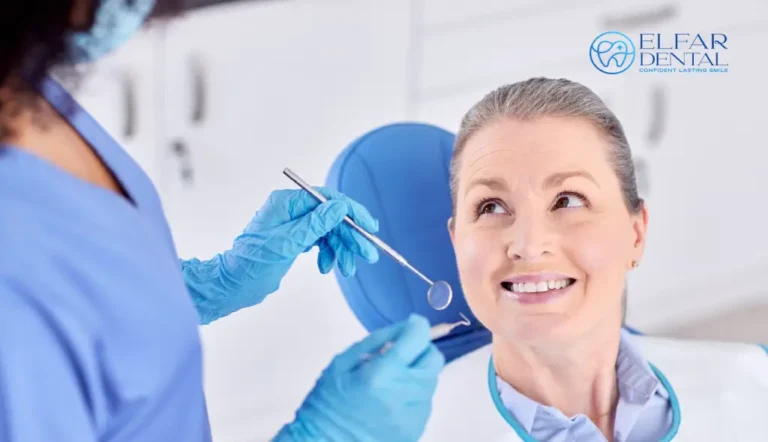
Oral-health needs can change with age.
Some older adults may experience:
- Gum recession
- Increased tooth wear
- Dry mouth
- Tooth loss
- Changes associated with medications
- Greater difficulty cleaning between teeth
If you have dentures, dental implants, bridges, crowns or other dental restorations, ongoing professional monitoring may also be relevant.
Your dentist can recommend an appropriate dental-care schedule based on your oral health and individual needs.
What If I Have Dental Anxiety?

If you feel nervous about visiting the dentist, you are not alone.
Dental anxiety can make people postpone check-ups or avoid treatment.
Tell your dental team about your concerns when making your appointment.
You can also discuss:
- What makes you nervous
- Previous dental experiences
- Concerns about injections
- Concerns about discomfort
- The sounds or sensations you find difficult
- How you would prefer the dentist to explain treatment
A consultation is also an opportunity to ask questions and understand what will happen before you decide whether to proceed with any treatment.
You do not need to feel embarrassed about discussing dental anxiety with your dentist.
What Should I Do Before a Dental Check-Up?

You do not need to do anything complicated before a routine appointment.
It can be helpful to think about whether you have noticed:
- Tooth sensitivity
- Bleeding when brushing
- Changes in your gums
- Toothache
- Food becoming trapped between particular teeth
- A chipped or cracked tooth
- Changes in an existing filling, crown or other restoration
- Jaw discomfort
- Teeth grinding or clenching
Make a note of any symptoms you want to discuss.
Also bring information about relevant medications or health conditions if requested by your dental practice.
Most importantly, be honest with your dental team. Accurate information helps your dentist understand your individual circumstances.
How Can You Maintain Good Oral Health Between Check-Ups?
Dental appointments are only one part of maintaining oral health.
Your daily routine matters too.
Brush Twice Daily
Healthdirect recommends brushing teeth and gums twice a day for about two minutes using fluoride toothpaste.
Use a soft-bristled toothbrush and avoid aggressive brushing.
Clean Between Your Teeth
A toothbrush cannot effectively clean every area between the teeth.
Depending on your individual needs, your dentist may recommend floss, interdental brushes or another cleaning method.
Be Mindful of Your Diet
Frequent consumption of sugary foods and drinks can increase the risk of tooth decay.
Acidic foods and drinks can also contribute to enamel erosion.
Your dentist can provide dietary advice based on your individual oral-health needs.
Drink Water
Plain water can be a useful everyday drink choice and helps maintain hydration.
Avoid Smoking and Vaping
Smoking can negatively affect oral health and is associated with gum disease and other oral-health concerns.
If you smoke or vape and would like help stopping, speak with an appropriate healthcare professional about cessation support.
How Often Should You Have a Dental Cleaning?

The appropriate cleaning interval varies.
Some people may require professional cleaning as part of regular preventive care, while others may need more frequent periodontal maintenance depending on their gum health.
Your dentist or dental professional can recommend an appropriate schedule after assessing your teeth and gums.
It is better to follow an individualised dental-care plan than to assume everyone needs exactly the same cleaning frequency.
What Questions Should You Ask Your Dentist?
Your check-up is an opportunity to ask questions.
You might ask:
- How healthy are my gums?
- Do I have any signs of tooth decay?
- Is my brushing technique appropriate?
- Should I be using interdental brushes or floss?
- How often should I have my next check-up?
- Do I need a professional dental cleaning?
- Is there anything contributing to my tooth sensitivity?
- Are any of my fillings or restorations showing signs of wear?
- Do I grind or clench my teeth?
- Are there changes I should make to my diet or oral-hygiene routine?
- Do I need any additional diagnostic tests?
You do not need to wait until you have a dental problem to ask questions.
How Often Should You Visit the Dentist in Canberra?
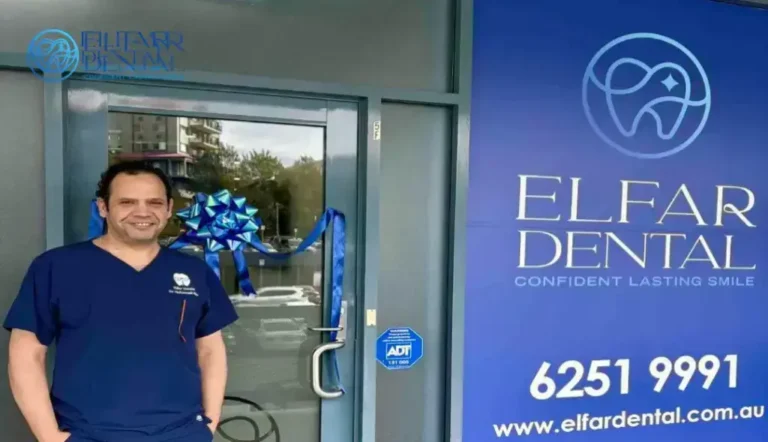
If you are looking for a dental check-up in Canberra, the appropriate appointment frequency depends on your individual oral-health needs.
For many people, a check-up every 6 to 12 months may be appropriate, but your dentist may recommend a different interval based on your teeth, gums, previous dental history and risk factors.
At Elfar Dental in Belconnen, your dental examination can be used to assess your individual oral-health needs and discuss appropriate preventive care.
The goal is not to recommend unnecessary treatment. Instead, your dentist can explain what they find, discuss relevant options and answer your questions so that you can make informed decisions about your dental care.
Why Choose a Preventive Approach to Dental Care?
Preventive dentistry is about looking after your oral health before problems become more complicated.
This can include:
- Regular dental examinations
- Professional cleaning where appropriate
- Fluoride use
- Good brushing habits
- Cleaning between your teeth
- Dietary awareness
- Monitoring existing dental restorations
- Addressing symptoms when they first appear
Preventive care does not guarantee that dental problems will never occur.
Rather, it provides an opportunity to monitor your oral health and respond appropriately when changes are identified.

About Our Dental Practice

Frequently Asked Questions About Dental Check-Ups
Q: How often should I visit the dentist?
A: Many people are advised to have a dental check-up every 6 to 12 months, but the appropriate interval varies. Your dentist can recommend a schedule based on your individual oral-health needs.
Q: Do I need a dental check-up if my teeth don't hurt?
A: Yes. Some dental problems may not cause noticeable symptoms in their early stages. Regular examinations allow your dentist to monitor your teeth and gums even when you feel well.
Q: What happens during a dental check-up?
A: A check-up may include an examination of your teeth and gums, discussion of your dental history and oral-hygiene habits, and diagnostic tests such as X-rays when clinically appropriate.
Q: Is a dental check-up the same as a dental cleaning?
A: No. A check-up focuses on assessing your oral health, while professional cleaning focuses on removing plaque and calculus. They may be provided during the same visit or separately depending on your needs.
Q: How often should I have my teeth professionally cleaned?
A: The appropriate cleaning interval depends on your individual oral health. Your dental professional can recommend a schedule based on your teeth, gums and risk factors.
Q: Should children have regular dental check-ups?
A: Yes. Children should begin dental care early, with Healthdirect recommending a first check-up when the first tooth appears or by around 12 months of age. Their ongoing dental-care schedule should be discussed with their dental practitioner.
Q: What if I am nervous about going to the dentist?
A: Tell your dental team about your concerns before or during your appointment. Discussing your previous experiences and specific worries can help your dental practitioner understand how best to communicate with you and plan your care.
Q: When should I see a dentist urgently?
A: Significant facial swelling, difficulty breathing, uncontrolled bleeding, serious dental trauma or severe dental symptoms may require urgent assessment. If you are concerned about a dental problem, seek appropriate professional advice.
Book Your Dental Check-Up in Belconnen

Regular dental examinations can be an important part of maintaining your teeth and gums.
You do not need to wait until something hurts before discussing your oral health with a dentist. If you have missed your regular appointments or have noticed a change in your teeth or gums, an assessment can help you understand your current oral-health needs.
At Elfar Dental in Belconnen, Canberra, Dr Mohamed Elfar, General Dentist, can assess your teeth and gums and discuss appropriate preventive and treatment options based on your individual circumstances.
Elfar Dental
Suite 5F, 21 Benjamin Way
Belconnen ACT 2617
Phone: (02) 6251 9991
Dr Mohamed Elfar — General Dentist
AHPRA Registration No.: DEN0000979762
Schedule an appointment with Dr. Mohamed Elfar, General Dentist, Registration No. DEN0000979762, at Elfar Dental in Belconnen.
Your Belconnen dentist. Discover more about our dental care services. Book a visit.
Ready to book your appointment?
📞 Call Our Family-Friendly Team at (02) 6251 9991
💻 Book online easily at Get Appointment
📍 Visit our modern clinic at 21 Benjamin Way, Suite 5F, Belconnen ACT 2617
Elfar Dental – Your partner for family dental care in Belconnen, Canberra, ACT.
Important Note:
This article provides general educational information about dental check-ups and preventive oral care. It does not constitute personalised dental advice, diagnosis or a treatment recommendation.
Dental needs and recommended appointment intervals vary between individuals. Your dentist can assess your oral health and discuss an appropriate recall and preventive-care plan.
No particular treatment outcome can be guaranteed.