
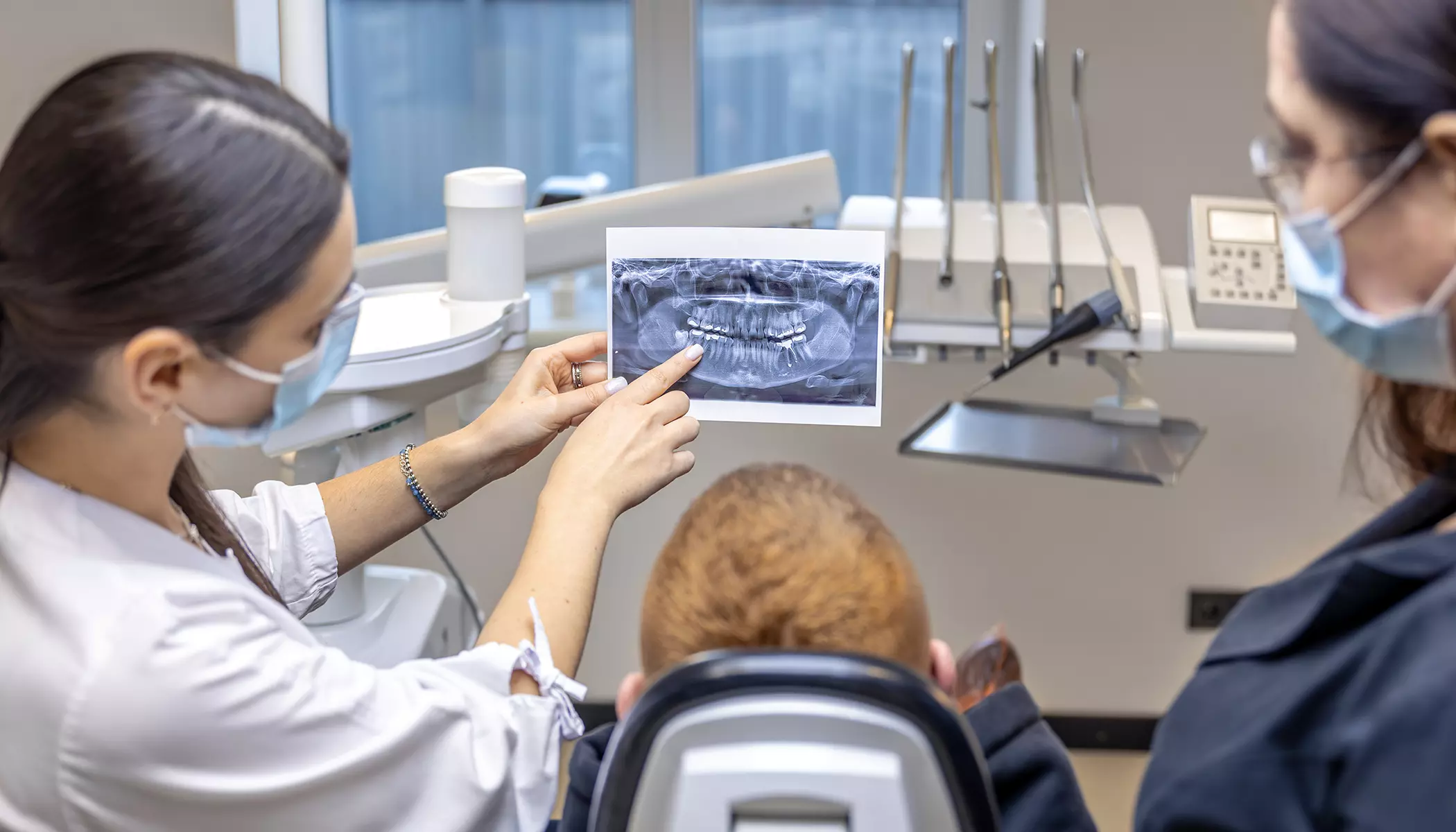
Root Canal Treatment: What to Expect & How We Prioritise Your Comfort at Elfar Dental
Opening Hours: Mon – Fri: 8:00 AM – 5:00 PM | CALL (02) 6251 9991
info@elfardental.com.au
Suite 5F, 21 Benjamin Way, Belconnen ACT 2617
Does the thought of a root canal make you nervous? You're not alone.
Nearly 60% of adults report dental anxiety, with root canals ranking among the most feared procedures. However, this fear is largely based on outdated experiences and misconceptions that no longer apply to modern endodontic care.
The truth is that today’s root canal procedures are designed to be as comfortable as possible, thanks to advancements in dental technology and techniques. Unlike decades ago, when root canal treatments were indeed uncomfortable, dentists now use sophisticated tools and methods specifically designed to minimise discomfort and reduce recovery time.
In this guide, Belconnen dentist Elfar Dental explains why modern root canal treatment differs dramatically from its reputation, how advanced imaging improves accuracy, and why patients are often surprised by how comfortable the procedure has become. We’ll also discuss root canal treatment costs in Canberra and why the investment in quality care provides both immediate relief and long-term oral health benefits.
The Outdated Reputation of Root Canals
Root canal treatment has developed a notorious reputation over the years that continues to make patients anxious at the mere mention of the procedure. This fear has become so ingrained in our cultural consciousness that the phrase “I’d rather have a root canal” has become shorthand for describing something extremely unpleasant. But where did this negative perception come from, and is it justified in modern dentistry?
Why Root Canals Were Once Feared
The historical fear surrounding root canal treatment stems primarily from limitations in early dental practices. In the past, numbing the affected area might not have been as effective, leading to considerable discomfort during the procedure. Before the advent of modern dental technology, root canal treatments originated in the late 19th century as a way to remove infected or inflamed pulp tissue from the tooth’s interior. Unfortunately, the rudimentary nature of early techniques often resulted in a negative experience for patients.
Additionally, the tools and methods used decades ago were far less sophisticated than today’s instruments. Dentists had limited visibility inside the tooth, making the procedure more challenging and potentially uncomfortable. Furthermore, early anaesthesia options were not nearly as effective or long-lasting as modern alternatives.
Another contributing factor was that patients often delayed seeking treatment until the tooth infection became severe and extremely painful. Many people mistakenly associated this pre-treatment pain with the procedure itself, creating a cycle of fear and avoidance.
Common Myths Still Believed Today
Despite significant advancements in dental technology, several persistent myths continue to surround root canal treatment:
Myth 1: Root canals are extremely painful – This is perhaps the most common misconception. In reality, modern root canal procedures are designed to alleviate pain, not cause it. With contemporary anaesthesia techniques, patients typically experience no more discomfort than they would with a standard filling.
Myth 2: Root canals cause illness or disease – This harmful myth stems from discredited research conducted nearly a century ago. Modern science has thoroughly debunked these claims, with no valid scientific evidence linking root canal treatment to illness elsewhere in the body.
Myth 3: Extraction is better than root canal treatment – Many people believe having the tooth pulled is preferable to saving it through root canal therapy. However, preserving your natural tooth is almost always the best option for your long-term oral health. Extraction can lead to additional concerns like jawbone deterioration and misalignment of remaining teeth.
Myth 4: Recovery is lengthy and painful – This misconception often deters patients from seeking treatment. In truth, most people experience only mild discomfort for a few days following the procedure, which can be managed with over-the-counter pain relievers. Many patients return to their normal activities immediately after treatment.
At Elfar Dental in Belconnen, modern root canal treatment focuses on patient comfort while effectively addressing the underlying infection. Understanding the origins of these fears and the reality of contemporary endodontic care can help patients make more informed decisions about their dental health without unnecessary anxiety.
How Imaging Technology Changed the Game

Modern imaging technology has completely transformed root canal treatment from a procedure once performed with limited visibility to one conducted with remarkable precision and clarity. This technological evolution represents one of the most significant advancements in endodontic care.
Digital X-rays and 3D CBCT Scans
The shift from traditional film X-rays to digital radiography has fundamentally changed how dentists diagnose and treat root canal infections. Digital X-rays provide immediate image availability, eliminating the need for film development, and enable dentists to make faster decisions during treatment. These images can be instantly enhanced—brightness, contrast, and sharpness can all be adjusted to reveal details that might otherwise remain hidden.
Perhaps most importantly, digital systems have made image storage, manipulation, and retrieval significantly simpler. At dental clinics like Elfar Dental in Belconnen, dentists can easily compare current images with previous ones, tracking healing progress with unprecedented accuracy.
3D Cone Beam Computed Tomography (CBCT) represents an even more revolutionary advancement. Unlike conventional two-dimensional X-rays, CBCT scanning provides comprehensive three-dimensional views of teeth, surrounding bone, and nerve canals. This technology captures detailed cross-sectional images from multiple angles, revealing the intricate internal anatomy of teeth that would otherwise remain invisible.
For root canal treatment specifically, CBCT scans offer critical benefits:
They reveal hidden or calcified canals that might be missed with traditional imaging
They show the exact relationship between root tips and surrounding structures
They allow dentists to identify subtle fractures or infections before treatment
They provide precise measurements for more accurate treatment planning
Better Diagnosis with Less Radiation
Despite providing substantially more diagnostic information, modern imaging actually exposes patients to significantly less radiation than older techniques. Digital intraoral X-rays use 50-60% less radiation compared to traditional film, essentially minimising exposure while maximising diagnostic value.
CBCT technology, though providing far more detailed information, has also been optimised for safety. The radiation from a single digital dental X-ray equals about one day of natural background radiation.
Most crucially, these advancements allow dentists at clinics like Elfar Dental in Belconnen to provide root canal treatment with precision. By clearly visualising intricate root anatomy, previously invisible infections, and exact canal locations, modern imaging has transformed root canals from procedures performed partially “blind” to those conducted with complete visibility—a game-changing evolution that directly benefits patients through more successful outcomes.
Modern Tools That Make Treatment More Comfortable

The evolution of specialised tools has been as crucial to modern root canal treatment as advances in imaging technology. These innovative instruments allow dentists to work with greater precision while significantly reducing patient discomfort. At clinics like Elfar Dental in Belconnen, these tools have transformed root canal treatment from a dreaded procedure to a comfortable experience.
Rotary Instruments and NiTi Alloys
The introduction of nickel-titanium (NiTi) rotary instruments has completely changed how root canals are performed. Unlike traditional stainless steel files, NiTi instruments offer flexibility and strength, allowing them to navigate curved root canal systems with minimal risk of canal transportation or perforation.
This alloy contains approximately 56% nickel and 44% titanium, creating instruments that exhibit two extraordinary properties: superelasticity and shape memory. NiTi files can bend to follow the natural canal shape and then return to their original form—something impossible with rigid stainless steel instruments.
Moreover, modern NiTi files often undergo special thermal processing treatments that enhance their performance. Heat-treated NiTi instruments show substantially improved resistance to fatigue and fracture. For patients, this translates to faster, more efficient procedures with less discomfort and fewer complications.
Electric Handpieces for Precision
Electric handpieces represent another significant advancement in root canal treatment. Unlike air-driven alternatives, electric handpieces provide consistent speed and torque during the procedure, offering dentists unmatched precision and control.
The benefits extend beyond just efficiency—electric handpieces are remarkably stronger than air-driven ones because a motor directly spins the bur instead of air. This allows dentists to work more quickly and effectively. Many modern models feature built-in safeguards like torque control and auto-reverse functions that prevent excessive force application, protecting both the instrument and the tooth structure.
For patients at dental clinics in Belconnen, these advancements mean shorter appointment times and more predictable outcomes.
Endodontic Microscopes for Visibility
Perhaps the most dramatic improvement in root canal tools comes from dental operating microscopes. These powerful devices magnify vision up to 25 times that of the naked eye, revealing details as small as 0.006 mm—far beyond the 0.2 mm limit of the human eye.
This enhanced visualisation brings several critical benefits:
Finding hidden and accessory canals that might otherwise be missed
Precisely locating and removing separated instruments
Preserving more natural tooth structure during treatment
The impact on treatment success is substantial—endodontic microsurgery performed with magnification boasts a 94% success rate, compared to just 59% without it. This difference explains why nearly 90% of endodontists had adopted microscopes by 2008.
Combined with the precision of NiTi instruments and electric handpieces, these visualisation tools ensure root canal treatment at Elfar Dental is both effective and comfortable.
Comfort-Focused Techniques Used Today
Beyond advanced tools and imaging systems, modern pain management techniques have drastically changed the root canal experience. At Elfar Dental in Belconnen, these innovations help ensure patients remain comfortable throughout their treatment.
Modern Anaesthesia Delivery
Traditional local anaesthetics often cause a burning sensation due to their acidity. Today’s buffered anaesthetics are adjusted to a more neutral pH, reducing injection discomfort and delivering faster results. Research shows buffered anaesthetics are significantly more likely to achieve successful anaesthesia compared to non-buffered solutions.
Computer-controlled anaesthetic delivery systems have further transformed patient comfort. These systems administer anaesthetic at precisely controlled rates, eliminating the sudden sting associated with traditional injections. The technology works by delivering small amounts of anaesthetic at slow speeds, allowing it to take effect simultaneously with the injection—essentially numbing tissue before the needle advances.
Minimally Invasive Access Methods
Modern root canal procedures now employ minimally invasive access cavity (MIAC) preparation, which preserves tooth integrity by removing only the tooth structure necessary for proper treatment. These conservation techniques help maintain structural integrity, potentially reducing the risk of future fractures.
Successful MIAC procedures rely on specialised equipment like magnification systems and ultrasonic instruments with longer shanks for better visibility and precision.
Laser-Assisted Cleaning and Disinfection
Laser technology represents one of the most significant advancements in comfortable root canal treatment. Various laser wavelengths can precisely remove infected tissue and bacteria from root canals.
The benefits of laser-assisted root canal therapy include:
Enhanced disinfection of areas traditional instruments might miss
Reduced post-operative discomfort and inflammation
Faster healing times with less swelling
Minimised bleeding during procedures
These advanced techniques not only make treatment at dental clinics like Elfar Dental in Belconnen more comfortable, they also contribute to better outcomes and faster recovery times—finally dispelling the outdated reputation of painful root canal procedures.
Why Recovery Is More Comfortable Now
Recovery after root canal treatment has undergone a remarkable transformation in recent years. The days of lengthy, uncomfortable recoveries are largely gone, thanks to several key innovations at modern practices like Elfar Dental in Belconnen.
Biocompatible Filling Materials
Cutting-edge biocompatible sealers have replaced older materials that often triggered inflammation. These modern endodontic sealers show minimal inflammatory reactions in tissue and are designed to work harmoniously with your body’s natural healing processes. Primarily made from materials such as bioceramics and bioglass, these sealers actively support tissue regeneration.
This alkalinising effect speeds up tissue repair, resulting in faster healing times for patients undergoing root canal treatment.
Advanced Irrigation Systems
The GentleWave system represents a breakthrough in root canal cleaning technology. This system creates powerful, high-speed shear forces that distribute irrigants throughout the entire canal system without requiring direct instrument contact. For patients at dental clinics in Belconnen, this means a more thorough cleaning with less trauma to surrounding tissues.
Clinical studies show the GentleWave procedure has achieved an impressive 97.3% success rate. The system promotes faster dissolution of tissue. Overall, this technology enables dentists to perform minimally invasive procedures that preserve natural tooth structure and support comfortable, fast healing.
Less Swelling and Post-Operative Discomfort
Recent advances have markedly reduced postoperative discomfort both in intensity and duration. Techniques like intracanal cryotherapy—using cold saline irrigation—significantly decrease post-treatment discomfort by restricting tissue metabolism and blood flow.
Studies indicate that non-steroidal anti-inflammatory drugs (NSAIDs), especially when combined with acetaminophen, effectively manage any residual discomfort. Likewise, modern bioceramic sealers contribute to reduced inflammation.
At Elfar Dental in Belconnen, these innovations transform the root canal experience from something once dreaded into a comfortable procedure with a swift recovery.
Your Journey to a Healthier Smile
Step 1: Listen & Understand
We start by listening. What are your concerns? What symptoms are you experiencing? We discuss your dental history, lifestyle, and goals to understand exactly what you’re hoping to achieve.
Step 2: Examine & Assess
Your oral health comes first. We perform a thorough examination to assess the condition of your tooth and surrounding tissues. This includes digital X-rays or 3D imaging to see the full picture and accurately diagnose the issue.
Step 3: Design Your Plan
Using our advanced technology, we can show you what’s involved in your treatment. We’ll discuss the procedure in detail—what happens during the root canal, what to expect afterward, and the associated costs—creating a personalised, step-by-step plan that fits your needs. There’s no pressure, just honest advice to help you make an informed decision.
Step 4: Treatment & Aftercare
On the day of your procedure, our team will ensure you are comfortable and informed at every stage. We use modern anaesthesia techniques to keep you comfortable throughout. After your treatment, we provide clear, personalised aftercare instructions to support your recovery and help you protect your investment in your oral health.
Frequently Asked Questions About Root Canal Treatment
Q: Does a root canal procedure hurt?
A: With modern anaesthesia and techniques, the procedure itself should not feel sharp pain. You may feel some pressure or movement, but you should not experience sharp pain. Most patients report that the procedure is no more uncomfortable than having a standard filling. We prioritise your comfort throughout the entire process.
Q: How long does recovery take?
A: Most patients experience only mild sensitivity for a few days after the procedure, which can be managed with over-the-counter pain relievers. Many patients return to their normal activities the same day. We will provide you with specific aftercare instructions to help ensure a smooth recovery.
Q: Why do I need a root canal instead of just having the tooth removed?
A: Preserving your natural tooth is almost always the best option for your long-term oral health. Removing a tooth can lead to additional concerns like jawbone deterioration, shifting of remaining teeth, and the need for more expensive replacement options like implants or bridges.
Q: What happens if I delay or avoid treatment?
A: Without treatment, the infection can spread to surrounding tissues, leading to more significant problems including severe pain, swelling, and the potential loss of the tooth. The infection may also spread to other parts of your body, causing more serious health issues.
Q: How successful is root canal treatment?
A: Modern root canal treatment has a very high success rate, often exceeding 90%. The use of advanced technology like dental microscopes and CBCT imaging has further improved outcomes, helping dentists identify and treat complex cases with greater precision.
Q: How much does a root canal cost in Canberra?
A: The cost depends on the complexity of the case and which tooth is affected. We provide a detailed, personalised quote during your consultation, with no hidden costs. We can also discuss payment options to make treatment more accessible.
Q: Can I eat normally after the procedure?
A: We recommend waiting until the numbness from the anaesthesia wears off before eating to avoid biting your cheek or tongue. Once the numbness fades, you can eat soft foods and gradually return to your normal diet as your comfort allows.
Q: How long does a root canal treatment take?
A: Most root canal procedures can be completed in one appointment lasting approximately 60-90 minutes. More complex cases or molars may require an additional appointment. Your dentist will discuss the estimated timeframe during your consultation.
Q: Is it normal to have some discomfort after the procedure?
A: Yes, it’s normal to experience some mild discomfort or sensitivity for a few days after the procedure. Over-the-counter pain medication is usually sufficient to manage this. We will provide you with specific aftercare instructions to support your recovery.
Q: What if I'm very anxious about dental treatment?
A: We understand that dental anxiety is common. We offer a comfortable, caring environment and take extra time to explain each step of the process. We can also discuss sedation options to help you feel more relaxed during your procedure.
Important Disclaimer
The information provided on this page is for general educational and informational purposes only and does not constitute professional dental advice, diagnosis, or treatment. This content is not a substitute for a professional consultation with a qualified dentist.
1. No Guarantee of Results
We cannot guarantee specific outcomes. Every patient’s anatomy, health condition, and response to treatment are unique. The results portrayed through descriptions or education materials are examples of what may be possible and should not be interpreted as a promise or guarantee.
2. Individualised Treatment Required
The suitability of any treatment depends on an individual’s specific oral health, medical history, and personal goals. A thorough, in-person examination by a registered dentist is essential to determine the most appropriate and safe treatment plan for you.
3. Responsibility for Your Health
You should not use this information to diagnose or treat a dental problem or disease without consulting a qualified health practitioner. We strongly encourage you to schedule a comprehensive consultation at Elfar Dental to discuss your personal situation.
4. External Links and Third-Party Content
This website may contain links to external sites for your convenience. We do not endorse or assume responsibility for the content, accuracy, or privacy practices of these third-party sites.
5. Liability
Elfar Dental, its practitioners, and staff are not liable for any damages or negative outcomes arising from the use of, or reliance on, the general information found on this page.
About Elfar Dental
Meet Dr. Mohamed Elfar
BDS (Hons), MSc (Oral & Maxillofacial Surgery), MRACDS, GradDipOrth (Dist.)
AHPRA Registration Number: DEN0000979762
Registration Type: General Dentist
Dr. Mohamed Elfar brings over two decades of international and Australian experience to Elfar Dental. He is registered with AHPRA as a General Dentist and holds advanced qualifications in multiple disciplines, including oral surgery and orthodontics, reflecting his commitment to providing comprehensive, high-quality care.
Our Commitment to Honest Communication
AHPRA guidelines require health practitioners to avoid terms like “pain-free” because pain is subjective and cannot be guaranteed. Instead, we focus on explaining how modern techniques and technologies—such as local anaesthesia, comfortable facilities, and digital X-rays—help make treatment as comfortable as possible.
Our commitment is to provide honest, transparent information that helps you make an informed decision about your dental health.
Ready to Take the Next Step?
If you’re experiencing tooth pain or have been told you need a root canal, we’re here to help. Book a consultation today to discuss your concerns and learn how we can help you achieve a comfortable, healthy smile.
📞 Book your visit today and take the first step toward a comfortable, healthy smile at Elfar Dental!
Opening Hours:
Monday 8:00 Am – 5:00 Pm
Tuesday 8:00 Am – 5:00 Pm
Wednesday 8:00 Am – 5:00 Pm
Thursday 8:00 Am – 5:00 Pm
Friday 8:00 Am – 5:00 Pm
Visit Our Clinic:
Suite 5F, 21 Benjamin Way, Belconnen ACT 2617
Call Us:
(02) 6251 9991
