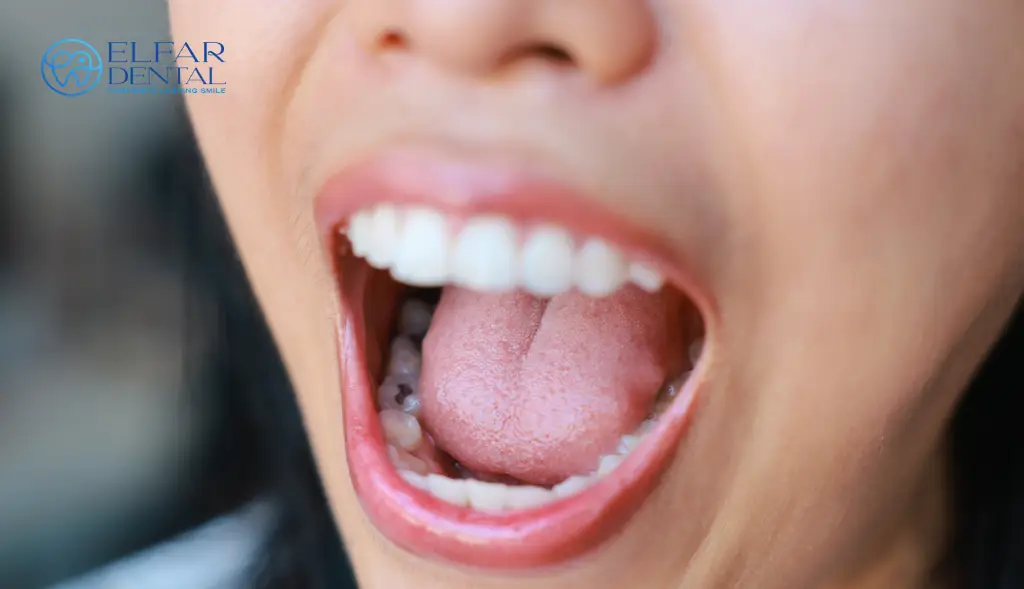

Dry Mouth (Xerostomia): Causes, Symptoms, Relief & When to See a Dentist
A practical oral health guide from Elfar Dental, Belconnen, Canberra
Do you regularly wake up with a dry mouth or find yourself reaching for water throughout the day?
Occasional mouth dryness can happen for several reasons. However, when it becomes persistent, it may affect your comfort, eating habits and oral health.
Known medically as xerostomia, dry mouth can occur when saliva production is reduced or when your mouth feels unusually dry despite normal saliva production.
Saliva plays an important role in protecting your teeth, supporting digestion and keeping your mouth comfortable.
In this guide, Elfar Dental explains the common causes of dry mouth, practical ways to manage it and when professional dental advice may be helpful.
What Is Dry Mouth and Why Is Saliva Important?
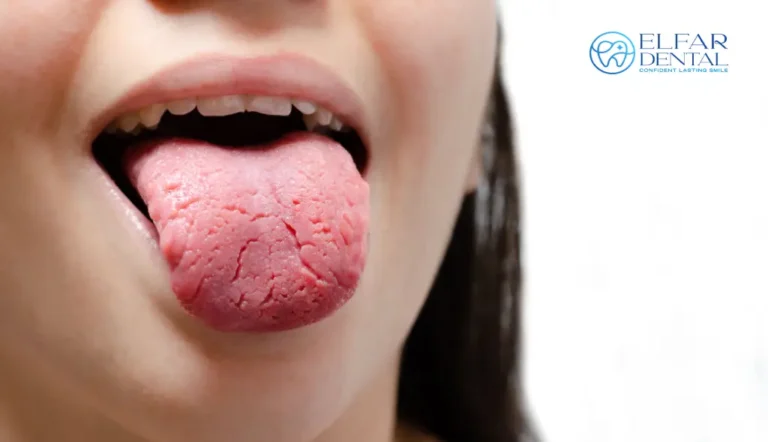
Dry mouth describes a lack of moisture or an uncomfortable dry feeling inside the mouth.
Saliva is essential for several everyday functions. It helps:
Wash away food particles.
Neutralise acids produced by oral bacteria.
Support the protection and remineralisation of tooth enamel.
Make chewing and swallowing easier.
Maintain moisture in the tongue and other oral tissues.
When saliva production is reduced, your mouth may become more vulnerable to tooth decay, irritation and discomfort.
For further information, see the Australian Dental Association’s guide to dry mouth.
What Causes Dry Mouth?
Dry mouth can have several possible causes. Sometimes, more than one factor contributes to the symptoms.
1. Dehydration
Not drinking enough fluids, illness, hot weather and excessive sweating can contribute to temporary mouth dryness.
Maintaining appropriate hydration may help when dehydration is involved.
2. Certain Medications
Dry mouth is a recognised side effect of various medicines, including some used for:
Allergies
Depression and anxiety
High blood pressure
Pain management
Bladder conditions
If you suspect your medication is contributing to dry mouth, speak with your GP or pharmacist. Never stop or change prescribed medication without professional advice.
3. Mouth Breathing
Breathing through your mouth, particularly during sleep, can contribute to dryness.
Nasal congestion, snoring and other breathing-related concerns may be contributing factors.
4. Underlying Health Conditions
Certain conditions, including diabetes and Sjögren’s disease, may affect saliva production.
However, experiencing dry mouth does not necessarily mean you have an underlying medical condition. A healthcare professional can assess your symptoms and determine whether further investigation is appropriate.
5. Medical Treatments
Some treatments, including radiotherapy involving the head and neck, can affect the salivary glands and contribute to persistent dryness.
You can also read Healthdirect’s information about dry mouth syndrome.
Common Symptoms of Dry Mouth

Symptoms vary between individuals and may include:
- A sticky or dry feeling inside the mouth.
- Frequent thirst.
- Dry or cracked lips.
- A dry or uncomfortable tongue.
- Difficulty chewing or swallowing dry foods.
- Changes in taste.
- Bad breath.
- Discomfort when speaking.
- A burning sensation in the mouth.
If these symptoms occur frequently or persist, consider seeking professional advice.
Can Dry Mouth Increase the Risk of Tooth Decay?
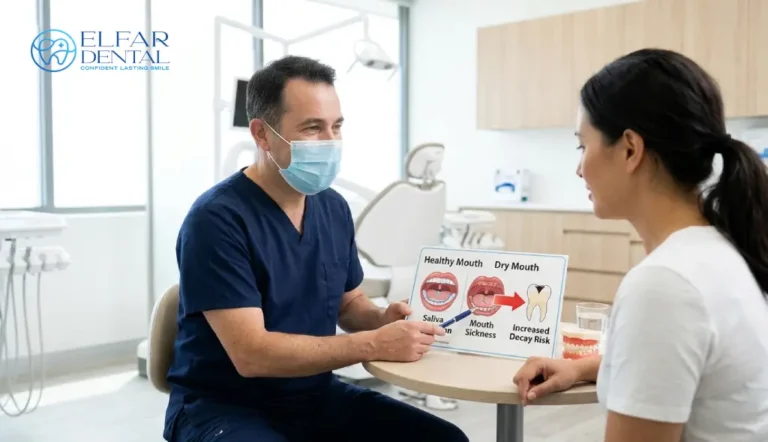
Yes. Reduced saliva can increase susceptibility to tooth decay.
Saliva helps neutralise acids and supports the natural protection of tooth enamel. When there is less saliva, teeth may have reduced protection against the processes that cause decay.
People experiencing persistent dry mouth may benefit from paying particular attention to their oral hygiene routine.
Consider:
- Brushing twice daily with fluoride toothpaste.
- Cleaning between your teeth every day.
- Drinking water regularly.
- Limiting frequent sugary and acidic drinks.
- Attending dental assessments according to your individual needs.
If you also experience tooth sensitivity, read our guide to Sensitive Teeth: Causes, Relief & Long-Term Solutions.
How to Relieve Dry Mouth at Home
Several practical measures may help manage mild mouth dryness. Their effectiveness depends on the underlying cause.
1. Drink Water Regularly
Take small sips of water throughout the day to help maintain moisture.
Water is generally preferable to sugary or acidic drinks for everyday hydration.
2. Try Sugar-Free Chewing Gum
Sugar-free chewing gum may stimulate saliva production in people whose salivary glands can still respond to stimulation.
3. Avoid Potential Irritants
Alcohol, tobacco and some mouthwashes may worsen dryness or irritation.
Ask your dentist whether an alcohol-free mouthwash is suitable for your circumstances.
4. Maintain Good Oral Hygiene
Brush twice daily with fluoride toothpaste and clean between your teeth using an appropriate method.
For practical guidance, read our article: Flossing vs Interdental Brushes: Which Is Better for Cleaning Between Your Teeth?.
5. Consider Saliva Substitutes
Oral moisturising products and saliva substitutes are available and may provide temporary relief for some people.
A dentist or pharmacist can help you determine whether a particular product is suitable.
The Australian Dental Association’s dry mouth advice provides additional information about managing oral dryness.
Why Is My Mouth Dry When I Wake Up?

Waking up with a dry mouth can be associated with:
- Sleeping with your mouth open.
- Snoring.
- Nasal congestion.
- Reduced saliva production during sleep.
- Certain medications.
- Inadequate hydration.
Saliva production naturally decreases during sleep, but frequent or significant morning dryness may have additional causes.
If you also experience loud snoring, interrupted breathing during sleep or excessive daytime sleepiness, discuss these symptoms with your GP.
Can Dry Mouth Cause Bad Breath?

Dry mouth may contribute to bad breath, also known as halitosis.
Saliva helps clear food particles and supports the mouth’s natural cleaning processes. Reduced saliva can allow bacteria and debris to accumulate more readily.
However, bad breath may also be associated with gum disease, tooth decay, dietary factors and certain medical conditions.
If bad breath persists despite good oral hygiene, consider arranging a dental assessment.
For more information, see Healthdirect’s guide to halitosis.
How Is Persistent Dry Mouth Assessed?
If you visit a dentist because of ongoing mouth dryness, your appointment may involve:
- Discussing when your symptoms started.
- Reviewing your oral hygiene routine.
- Discussing relevant medications and medical history.
- Examining your teeth, gums, tongue and oral tissues.
- Identifying any signs of increased dental risk.
Depending on the findings, your dentist may recommend preventive dental care, further investigation or consultation with another healthcare professional.
Management may include:
- Personalised oral hygiene advice.
- Appropriate fluoride measures.
- Recommendations for oral moisturising products.
- Advice about reducing contributing factors.
- Referral to your GP when a medical cause may need investigation.
The appropriate approach depends on your individual circumstances.
When Should You See a Dentist About Dry Mouth?
Consider arranging a dental assessment if:
- Your mouth frequently feels dry.
- You regularly wake with significant dryness.
- Eating, swallowing or speaking becomes uncomfortable.
- You experience recurring mouth irritation.
- You notice persistent bad breath.
- You develop new tooth sensitivity.
- Your symptoms continue despite reasonable self-care measures.
If you experience significant difficulty swallowing, breathing problems or other severe symptoms, seek urgent medical assessment.
Regular dental assessments can also help identify oral health concerns that may be associated with persistent dry mouth.
Read our article: How Often Should You Visit the Dentist? A Practical Guide to Dental Check-Ups.
Dry Mouth Advice at Elfar Dental in Belconnen, Canberra
If you’re experiencing persistent dry mouth and are concerned about its effects on your teeth or gums, a dental assessment may help you understand your oral health needs.
At Elfar Dental in Belconnen, your dental practitioner can assess your teeth and oral tissues, discuss your symptoms and provide personalised oral health advice.
Depending on your circumstances, this may include:
- Assessing your teeth and gums.
- Reviewing your oral hygiene routine.
- Discussing possible contributing factors.
- Recommending appropriate preventive dental care.
- Explaining whether further investigation or medical advice may be helpful.
Elfar Dental provides general dental care for individuals and families in Belconnen and surrounding Canberra suburbs, including Bruce, Macquarie, Cook, Aranda, Florey and Kaleen.

About Our Dental Practice

Frequently Asked Questions About Dry Mouth
Q: What is the most common cause of dry mouth?
A: Dry mouth can have several causes, including certain medications, dehydration and mouth breathing. The underlying cause varies between individuals.
Q: Can dry mouth cause tooth decay?
A: Yes. Reduced saliva can increase susceptibility to tooth decay because saliva helps neutralise acids and protect tooth enamel.
Q: Why is my mouth dry even when I drink water?
A: Water may temporarily relieve dryness, but persistent symptoms can be associated with medications, mouth breathing or reduced saliva production.
Q: Is dry mouth at night normal?
A: Saliva production naturally decreases during sleep. However, frequent or significant overnight dryness may have additional contributing factors.
Q: Can medications cause dry mouth?
A: Yes. Certain medications can reduce saliva production. Speak with your prescribing healthcare professional before making any changes to your medication.
Q: Does chewing gum help with dry mouth?
A: Sugar-free chewing gum may stimulate saliva production in some people. Its suitability depends on individual circumstances.
Q: Can dry mouth cause bad breath?
A: Yes. Reduced saliva may contribute to bad breath, although persistent halitosis can have several possible causes.
Q: What should I drink if I have dry mouth?
A: Water is generally a suitable everyday choice. Limiting frequent sugary and acidic drinks can also help reduce dental risks.
Q: Should I see a dentist for persistent dry mouth?
A: Consider an assessment if dryness is frequent, persistent or affects eating, speaking or oral comfort.
Q: Where can I get dry mouth advice in Canberra?
A: Elfar Dental in Belconnen provides general dental assessments and personalised oral health advice.
Looking After Your Oral Health

Dry mouth may seem like a minor inconvenience, but persistent symptoms can affect everyday comfort and increase the risk of dental concerns.
Understanding possible causes, maintaining good oral hygiene and seeking professional advice when needed can help you make informed decisions about your oral health.
Would you like advice about persistent dry mouth?
Contact Elfar Dental to discuss arranging a dental appointment.
Elfar Dental
Suite 5F, 21 Benjamin Way
Belconnen ACT 2617
Phone: (02) 6251 9991
Dr Mohamed Elfar — General Dentist
AHPRA Registration No.: DEN0000979762
Schedule an appointment with Dr. Mohamed Elfar, General Dentist, Registration No. DEN0000979762, at Elfar Dental in Belconnen.
Your Belconnen dentist. Discover more about our dental care services. Book a visit.
Ready to book your appointment?
📞 Call Our Family-Friendly Team at (02) 6251 9991
💻 Book online easily at Get Appointment
📍 Visit our modern clinic at 21 Benjamin Way, Suite 5F, Belconnen ACT 2617
Elfar Dental – Your partner for family dental care in Belconnen, Canberra, ACT.
Important Note:
This article provides general educational information and does not replace personalised dental or medical advice, diagnosis or treatment.
Dry mouth can have several possible causes, and individual circumstances vary. Do not discontinue or modify prescribed medications without consulting your prescribing healthcare professional. A registered dental practitioner can assess your oral health and discuss appropriate care or referral where clinically indicated.