
The Sensitive Tooth Survival Guide: Causes, Relief & Long-Term Solutions
Have you ever taken a sip of a hot coffee, enjoyed an ice-cold drink or eaten something sweet only to feel a sudden, sharp sensation in one or more teeth?
That brief jolt can be uncomfortable—and if it keeps happening, it is worth paying attention to.
Sensitive teeth, also known as dentine hypersensitivity, can have several possible causes. Sometimes sensitivity is associated with enamel wear or exposed tooth roots. In other situations, it may be related to gum recession, tooth decay, a cracked tooth, teeth grinding or recent dental treatment.
The good news is that tooth sensitivity can often be investigated and managed once its underlying cause has been identified. However, the appropriate approach depends on the individual and the reason for the sensitivity.
In this guide, we explain some common causes of sensitive teeth, practical measures that may help reduce sensitivity and the professional treatment options a dentist may consider.
Why Are My Teeth Sensitive?
Tooth sensitivity can occur when the protective enamel covering the tooth becomes thinner or when gum recession exposes part of the tooth root.
Unlike the crown of the tooth, the exposed root does not have the same protective enamel covering. Underneath the enamel and root surface is dentine, which contains microscopic tubules.
When dentine is exposed, stimuli such as cold, heat, sweetness or acidity may trigger a short, sharp sensation.
However, not every episode of tooth sensitivity has the same cause.
For example, sensitivity may be associated with:
- Enamel wear
- Exposed tooth roots
- Gum recession
- Acid erosion
- Tooth decay
- Cracked or damaged teeth
- Worn or damaged dental fillings
- Teeth grinding or clenching
- Recent dental treatment
This is why persistent, severe or unexplained sensitivity should not simply be assumed to be ordinary tooth sensitivity.
Common Causes of Sensitive Teeth

Understanding why your teeth are sensitive is an important part of deciding what to do next.
1. Brushing Too Hard
Brushing your teeth is essential for maintaining good oral health, but aggressive brushing can contribute to enamel wear and gum recession.
Using a hard-bristled toothbrush or applying excessive pressure may be particularly unhelpful if you already have exposed root surfaces.
A softer toothbrush and gentle brushing technique may be more appropriate.

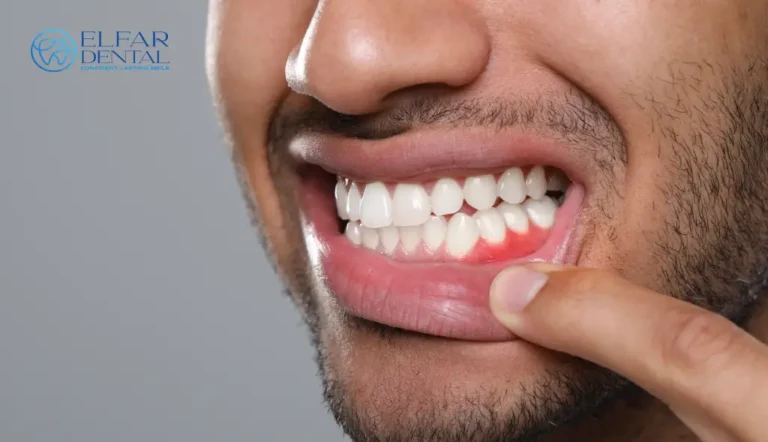
2. Gum Recession
Gums can recede for a number of reasons.
When gum tissue moves away from the tooth, part of the root surface may become exposed. Because the root does not have the same enamel protection as the crown, this can contribute to sensitivity.
Gum recession may also require assessment to determine the underlying cause and whether treatment is appropriate.
3. Acidic Foods and Drinks
Frequent exposure to acidic foods and drinks can contribute to the softening and loss of tooth structure over time.
Examples can include:
- Soft drinks
- Citrus fruits and juices
- Sports or energy drinks
- Wine
- Other acidic foods and beverages
The effect depends on factors such as frequency and duration of exposure.
If acidic foods or drinks are contributing to enamel erosion, modifying your habits may help reduce further exposure.

4. Tooth Decay or Dental Damage
Sensitivity can sometimes be associated with a dental problem rather than general dentine hypersensitivity.
Tooth decay, a cracked tooth or a damaged filling may expose areas of the tooth that are more sensitive to external stimuli.
If sensitivity develops suddenly, occurs in one particular tooth or is becoming more persistent, a dental assessment can help determine whether there is an underlying problem.
5. Teeth Grinding or Clenching
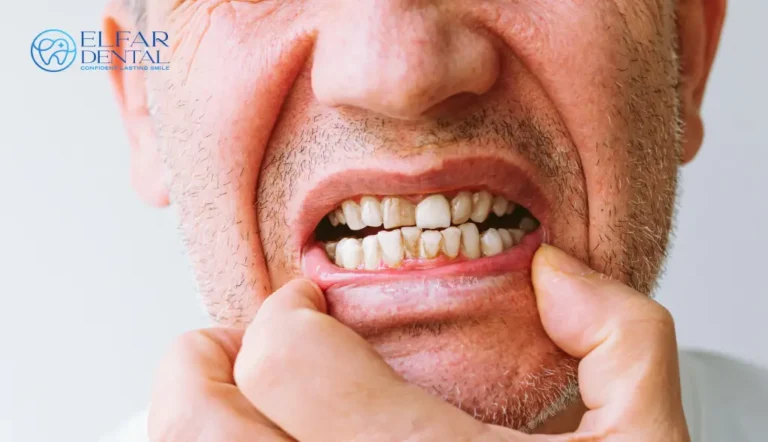
Grinding or clenching your teeth—particularly during sleep—can contribute to tooth wear.
Over time, excessive tooth wear may affect the protective tooth structure and potentially contribute to sensitivity.
If you regularly wake with jaw discomfort, headaches or noticeable tooth wear, discuss these symptoms with your dentist.

6. Recent Dental Treatment
Some people experience temporary sensitivity following certain dental procedures.
Sensitivity can sometimes occur after treatments such as fillings, crowns or tooth whitening.
The duration and severity can vary depending on the procedure and individual circumstances.
If sensitivity persists, becomes more severe or concerns you, contact your dental practitioner rather than assuming it is simply a normal part of healing.

Quick Relief: What Can You Do for Sensitive Teeth?
If your teeth are sensitive, there are several practical steps that may help reduce triggers while you arrange an appropriate dental assessment.
1. Consider a Toothpaste for Sensitive Teeth
Desensitising toothpastes are formulated for people experiencing tooth sensitivity.
Some contain active ingredients such as potassium nitrate or stannous fluoride that may help reduce sensitivity with regular use.
When using a sensitive-tooth toothpaste:
- Follow the product instructions.
- Use it consistently rather than only when sensitivity occurs.
- Brush gently rather than applying excessive pressure.
- Avoid using more toothpaste than recommended.
- Ask your dentist or pharmacist if you are unsure which product is appropriate for you.
If sensitivity continues despite using a desensitising toothpaste, a dental assessment may be appropriate because the underlying cause may need to be investigated.
2. Use a Soft-Bristled Toothbrush
A soft-bristled toothbrush can be a useful choice for people concerned about enamel wear or gum irritation.
Rather than scrubbing aggressively from side to side, use gentle movements and allow the toothbrush to do the work.
If you use an electric toothbrush, follow the manufacturer’s instructions and consider an appropriate sensitive or pressure-control setting if available.
3. Reduce Frequent Exposure to Acidic Foods and Drinks
If acidic foods and drinks are contributing to enamel erosion, reducing the frequency of exposure may help protect your teeth.
When consuming acidic drinks:
- Consider drinking water afterwards.
- Avoid holding acidic drinks in your mouth.
- A straw may reduce direct contact with some drinks.
- Avoid brushing immediately after acidic exposure.
Waiting before brushing after an acidic food or drink can help avoid brushing softened tooth surfaces.
4. Pay Attention to Your Triggers
It can be useful to notice what causes your sensitivity.
For example:
Cold: Does ice cream or cold water trigger it?
Heat: Does hot coffee or tea cause discomfort?
Sweet foods: Does chocolate or another sweet food trigger sensitivity?
Touch: Does brushing or touching one particular tooth cause discomfort?
Biting: Does the tooth hurt when you bite or release your bite?
These details can be useful information to share with your dentist.
When Home Care Is Not Enough
Home-care measures may be helpful for mild sensitivity, but they do not identify the underlying cause.
If your sensitivity is persistent, severe, getting worse or affecting one particular tooth, a dental examination may be appropriate.
Your dentist may assess your teeth, gums, bite and existing dental restorations and may recommend diagnostic tests or imaging where clinically appropriate.
The purpose is to determine whether the symptoms are consistent with dentine hypersensitivity or whether another dental condition may be contributing.
Professional Treatment Options for Sensitive Teeth
The appropriate treatment depends on the cause of the sensitivity.
There is no single treatment that is suitable for every patient.
Depending on your circumstances, your dentist may discuss options such as the following.
Fluoride Treatments
A dentist may recommend a professionally applied fluoride treatment for certain cases of sensitivity.
Fluoride can help strengthen tooth structure and may assist with reducing sensitivity in appropriate circumstances.
Your dentist can determine whether a professional fluoride treatment or another fluoride product is appropriate for you.
Dental Bonding or Sealants
If exposed dentine or another localised area is contributing to sensitivity, a tooth-coloured bonding material or sealant may sometimes be considered.
These materials can cover and protect an exposed area where clinically appropriate.
Treatment for Gum Recession
If gum recession is contributing to sensitivity, the first step is identifying why the recession has occurred.
In selected situations, periodontal treatment or a gum graft procedure may be considered.
Not every case of gum recession requires surgical treatment, so an individual assessment is important.
Treating Tooth Decay
If sensitivity is associated with tooth decay, treatment may be required to restore the affected tooth.
Depending on the extent and location of the decay, this may involve a filling or another appropriate restorative treatment.
Treating the underlying dental problem is different from simply managing the sensitivity symptom.
Replacing a Damaged or Worn Filling
A damaged, worn or leaking restoration may sometimes contribute to sensitivity.
If your dentist determines that an existing filling is contributing to the problem, replacing or repairing it may be considered.
Managing Teeth Grinding
If tooth grinding or clenching is contributing to tooth wear and sensitivity, your dentist can assess your teeth and bite and discuss appropriate management options.
In selected circumstances, a custom-made night guard may be recommended.
A night guard is not appropriate for every patient, so it should be considered following professional assessment.
Root Canal Treatment
Persistent sensitivity can occasionally be associated with inflammation or damage to the dental pulp—the living tissue inside the tooth.
If examination and testing indicate that the pulp has been irreversibly affected, root canal treatment may be considered.
Importantly, not every sensitive tooth requires root canal treatment.
The need for this treatment depends on the diagnosis and findings from the dental assessment.
When Should You See a Dentist About Sensitive Teeth
Not every brief episode of sensitivity indicates a serious dental problem.
However, you should consider arranging a dental assessment if you experience:
- Severe or persistent tooth sensitivity
- Sensitivity that is getting worse
- Sensitivity affecting only one tooth
- Sudden sensitivity without an obvious explanation
- Pain when biting or chewing
- Sensitivity associated with a cracked or damaged tooth
- Signs of tooth decay
- Gum swelling, bleeding or recession
- Pain that continues after hot or cold stimulation has been removed
- Symptoms that interfere with eating or drinking
A particularly important distinction is brief sensitivity versus lingering pain.
A short sensation triggered by cold or heat may have different causes from pain that continues after the stimulus has gone.
Your dentist can assess the symptoms and determine whether further investigation is needed.
Sensitive Teeth After Dental Treatment: Is It Normal?
Some temporary sensitivity can occur following certain dental procedures.
For example, sensitivity may be noticed after:
- Dental fillings
- Crown treatment
- Tooth whitening
- Other dental procedures
The expected experience varies depending on the procedure and the individual.
Rather than relying on a fixed timeframe, contact your dental practice if your symptoms are severe, persistent, worsening or different from what you were advised to expect.
Your dentist can determine whether the sensitivity is part of the expected recovery process or whether the tooth requires further assessment.
Can Sensitive Teeth Be Prevented?

Not every cause of tooth sensitivity can be prevented, but good oral-health habits may reduce some contributing factors.
Consider the following:
Brush gently
Use a soft-bristled toothbrush and avoid aggressive scrubbing.
Use fluoride toothpaste
Brush regularly with an appropriate fluoride toothpaste.
Clean between your teeth
Interdental cleaning can help maintain gum health and reduce plaque accumulation.
Limit frequent acidic exposure
Be mindful of how often you consume acidic foods and drinks.
Avoid using your teeth as tools
Do not use your teeth to open packaging or bite hard non-food objects.
Address teeth grinding
If you suspect that you grind or clench your teeth, discuss it with your dentist.
Attend regular dental examinations
Regular dental care can help identify problems such as decay, gum disease, tooth wear or damaged restorations.
The Australian Dental Association recommends brushing twice daily with fluoride toothpaste and cleaning between teeth daily as part of good oral-hygiene practice.
Why Finding the Cause Matters
It can be tempting to treat sensitive teeth simply by purchasing a sensitive-tooth toothpaste and hoping the problem disappears.
While desensitising toothpaste may help some people, it does not necessarily address the reason the sensitivity developed.
For example:
Sensitivity caused by enamel wear may require preventive advice and changes to brushing or dietary habits.
Sensitivity caused by gum recession may require assessment of gum health.
Sensitivity associated with decay may require restorative treatment.
Sensitivity associated with a cracked tooth may require further investigation and appropriate treatment.
Sensitivity associated with pulp inflammation may require a different approach altogether.
This is why persistent or unexplained sensitivity deserves professional assessment.
What Can You Expect at a Dental Appointment?
If you visit a dentist because of sensitive teeth, you may be asked:
- When did the sensitivity begin?
- Is it one tooth or several teeth?
- Is the sensation triggered by cold, heat, sweet foods or touch?
- How long does the discomfort last?
- Does it hurt when you bite?
- Have you recently had dental treatment?
- Do you grind or clench your teeth?
- Have you noticed gum recession?
- Have your eating or drinking habits changed?
Your dentist may then examine your teeth and gums and, where appropriate, recommend further diagnostic assessment.
The goal is to understand the likely cause before deciding whether treatment is required.
Sensitive Teeth in Canberra: When a Dental Assessment May Help
If you live in Canberra or the surrounding Belconnen area and are experiencing persistent tooth sensitivity, a dental examination can help determine what may be contributing to the symptoms.
At Elfar Dental in Belconnen, Dr Mohamed Elfar, General Dentist, can assess your dental concerns and discuss appropriate treatment or preventive options based on your individual circumstances.
Treatment recommendations are not the same for every patient. Your dentist can explain the available options, their limitations and any relevant risks before you decide how you would like to proceed.

About Our Dental Practice

Frequently Asked Questions About Sensitive Teeth
Q: Why are my teeth suddenly sensitive?
A: Sudden tooth sensitivity can have several possible causes, including enamel wear, exposed tooth roots, decay, a cracked tooth, a damaged filling or other dental conditions. If the sensitivity is new, persistent or localised to one tooth, a dental assessment may be appropriate.
Q: What is the best toothpaste for sensitive teeth?
A: Desensitising toothpastes can contain active ingredients such as potassium nitrate or stannous fluoride. The most appropriate product depends on your individual oral-health needs. Follow the product instructions and ask your dentist or pharmacist if you are unsure.
Q: How can I get quick relief from sensitive teeth?
A: Using a toothpaste formulated for sensitive teeth, brushing gently with a soft-bristled toothbrush and reducing frequent exposure to acidic foods and drinks may help some people. However, persistent sensitivity should be assessed to determine its cause.
Q: Can sensitive teeth be a sign of a cavity?
A: Yes. Tooth decay can sometimes cause sensitivity. However, sensitivity has many possible causes, so symptoms alone cannot establish a diagnosis.
Q: Why do my teeth hurt when I drink something cold?
A: Cold drinks can trigger sensitivity when dentine or tooth-root surfaces are exposed. Cold sensitivity can also occur with some dental conditions, so persistent or localised symptoms should be assessed by a dentist.
Q: Can gum recession cause sensitive teeth?
A: Yes. Gum recession can expose the tooth root, which may make the area more sensitive to cold, heat, touch or other stimuli.
Q: Does sensitive toothpaste fix the problem permanently?
A: Sensitive toothpaste may help reduce symptoms for some people, but it does not necessarily address the underlying cause. If sensitivity continues, a dental examination may be needed.
Q: Do sensitive teeth always need treatment?
A: No. The appropriate approach depends on the cause and severity of the sensitivity. Some cases may be managed with preventive measures and changes to home care, while other causes may require dental treatment.
Q: When should I see a dentist for sensitive teeth?
A: Consider seeing a dentist if sensitivity is severe, persistent, worsening, affects one particular tooth, occurs without an obvious cause or is associated with decay, cracks, gum problems or pain when biting.
Book a Dental Assessment at Elfar Dental

Sensitive teeth can have many possible causes, and understanding the reason for your symptoms is an important first step.
If you are experiencing persistent, severe or unexplained tooth sensitivity, a dental assessment can help determine whether the symptoms are consistent with dentine hypersensitivity or whether another dental condition may be involved.
At Elfar Dental in Belconnen, Canberra, Dr Mohamed Elfar, General Dentist, can discuss your symptoms and explain the assessment and treatment options that may be appropriate for your individual circumstances.
Elfar Dental
Suite 5F, 21 Benjamin Way
Belconnen ACT 2617
Phone: (02) 6251 9991
Dr Mohamed Elfar — General Dentist
AHPRA Registration No.: DEN0000979762
Schedule an appointment with Dr. Mohamed Elfar, General Dentist, Registration No. DEN0000979762, at Elfar Dental in Belconnen.
Your Belconnen dentist. Discover more about our dental care services. Book a visit.
Ready to book your appointment?
📞 Call Our Family-Friendly Team at (02) 6251 9991
💻 Book online easily at Get Appointment
📍 Visit our modern clinic at 21 Benjamin Way, Suite 5F, Belconnen ACT 2617
Elfar Dental – Your partner for family dental care in Belconnen, Canberra, ACT.
Important Note:
This article provides general educational information about tooth sensitivity and does not constitute personalised dental advice or a diagnosis.
The causes of tooth sensitivity vary between individuals, and treatment suitability depends on the findings of an individual dental assessment.
No particular treatment outcome can be guaranteed. Your dentist can explain the potential benefits, limitations, risks, alternatives and expected process of any treatment recommended for your circumstances.