Why Regular Dental Check-Ups Matter: More Than Just a Clean
For many people, a dental check-up means a quick clean and polish—a routine chore to tick off the list. But your regular visit to Elfar Dental is doing far more than keeping your teeth shiny. It’s a comprehensive health screening that can detect early signs of disease, monitor existing conditions, and protect your overall wellbeing.
Let’s explore what really happens during your dental check-up—and why these routine visits are essential for your long-term health.
What Happens During a Dental Check-Up
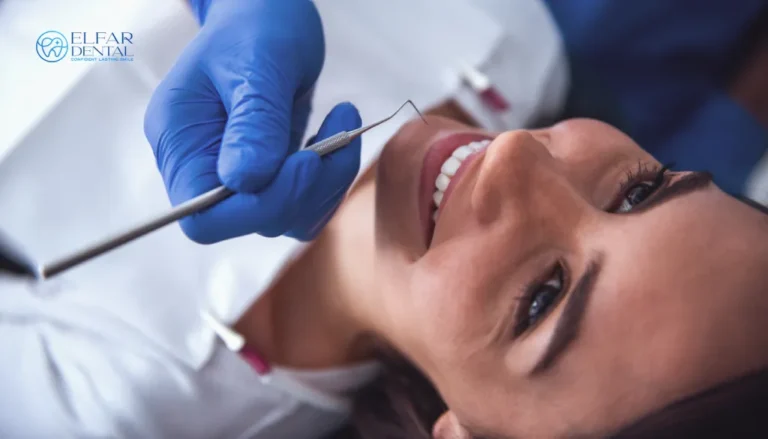
Your dental examination at Elfar Dental is thorough and personalised. Here’s what you can expect:
1. Medical History Review
Your dentist begins by reviewing any changes in your medical history, medications, or lifestyle factors that may affect your oral health. Conditions such as diabetes, heart disease, and pregnancy can all have significant impacts on your teeth and gums.
2. Oral Cancer Screening
One of the most important components of your check-up is the oral cancer screening. Your dentist visually and physically examines your lips, cheeks, tongue, floor of the mouth, and throat for any abnormalities. The Australian Dental Association (ADA) emphasises that early detection of oral cancer—often during a routine dental visit—significantly improves treatment outcomes.
3. Gum Health Assessment (Periodontal Examination)
Using a small probe, your dentist gently measures the pocket depths between your teeth and gums. Healthy pockets are typically 1-3mm deep. Deeper measurements can indicate gum disease (periodontitis), a chronic inflammatory condition linked to heart disease, diabetes, and other systemic health issues.
4. Tooth-by-Tooth Examination
Each tooth is carefully inspected for:
- Decay: Even cavities that are invisible to the naked eye can be detected.
- Cracks or fractures: Teeth can crack without you noticing.
- Wear patterns: Signs of grinding (bruxism) or acid erosion.
- Existing restorations: Fillings, crowns, and bridges are checked for integrity.
5. Bite and Jaw Assessment
Your dentist evaluates how your teeth come together (occlusion) and checks your jaw joints (TMJ) for signs of clicking, pain, or limited movement.
6. Professional Cleaning (Scale and Clean)
A thorough cleaning removes plaque and hardened tartar (calculus) that regular brushing and flossing can’t reach. This step helps prevent gum disease and keeps your teeth feeling smooth and fresh.
7. Diagnostic Imaging (If needed)
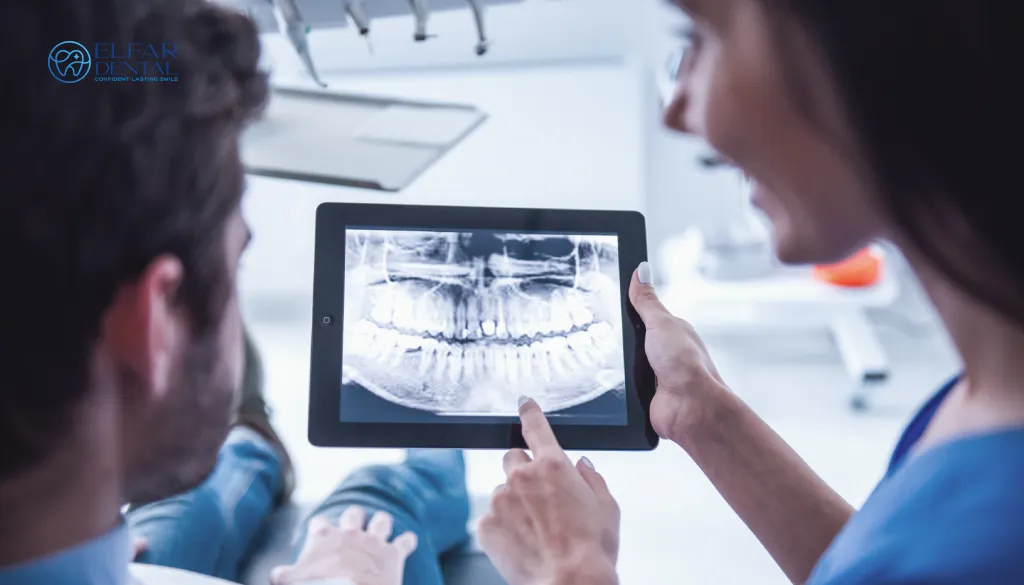
Digital X-rays may be taken to see what’s happening beneath the surface—between teeth, under fillings, and around the roots. Modern digital X-rays use significantly less radiation than traditional films.
Why Regular Dental Visits Matter
1. Catch Problems Early
Small issues are almost always simpler, less invasive, and more affordable to treat than large ones.
Problem | Early Detection | Late Detection |
Tooth decay | Small filling | Root canal or extraction |
Gum disease | Professional cleaning | Deep cleaning, possible tooth loss |
Cracked tooth | Crown | Root canal or extraction |
Oral cancer | Simple biopsy | Complex surgery, poorer prognosis |
The ADA notes that many dental problems develop silently without pain or visible signs. By the time you feel discomfort, the condition is often advanced.
2. Monitor Existing Dental Work
Fillings, crowns, bridges, and implants need regular assessment. Your dentist checks for:
– Wear and tear
– Leakage or recurrent decay around margins
– Fit and function
– Signs of damage from grinding or clenching
3. Screen for Oral Cancer
Oral cancer affects thousands of Australians each year. The ADA recommends regular oral cancer screening as part of your routine dental examination. Early detection dramatically improves survival rates.
4. Protect Your Overall Health
Research continues to demonstrate strong links between oral health and systemic conditions:
Condition | Connection to Oral Health |
Cardiovascular disease | Gum disease increases risk of heart attack and stroke |
Diabetes | Gum disease can make blood sugar harder to control; well-controlled diabetes improves gum health |
Respiratory infections | Oral bacteria can be aspirated into the lungs |
Pregnancy complications | Gum disease is linked to preterm birth and low birth weight |
Your dentist may be the first health professional to detect signs of these conditions during a routine examination.
5. Maintain Your Smile's Function and Aesthetics
Regular check-ups help you keep your natural teeth for life. They allow your dentist to address minor issues before they affect your ability to eat, speak, or smile confidently.
6. Establish a Baseline and Track Changes
Consistent visits create a record of your oral health over time. This allows your dentist to spot subtle changes that might otherwise go unnoticed.
How Often Should You Visit?
The Australian Dental Association recommends regular dental check-ups tailored to your individual needs. For most people, this means every 6 to 12 months.
Your dentist may recommend more frequent visits if you have:
– Active gum disease
– A history of multiple cavities
– Bruxism (teeth grinding)
– Medical conditions affecting oral health
– Tobacco use
– Pregnancy
Children, older adults, and people with certain medical conditions may also benefit from more frequent examinations.
What Patients Ask
Q: I brush and floss daily. Do I still need check-ups?
A: Yes. Professional cleanings remove tartar that brushing can’t. Your dentist also screens for issues you can’t see or feel, like early decay, gum disease, and oral cancer.
Q: What if I have no pain?
A: Many dental problems are painless in their early stages. Waiting for pain often means waiting for advanced disease.
Q: Are dental X-rays safe?
A: Modern digital X-rays use very low radiation. Your dentist only takes them when clinically necessary, following the “as low as reasonably achievable” (ALARA) principle.
Q: How long does a check-up take?
A: Typically, 30-60 minutes, depending on whether you need X-rays or a clean.
Q: What if I haven't been to the dentist in years?
A: You’re welcome at Elfar Dental. Our focus is on your future health, not your past. We’ll create a comfortable, judgment-free plan to get you back on track.
Making Dental Care Affordable
Private Health Insurance
We process claims on the spot through HICAPS, so you only pay the gap.
Payment Plans
Afterpay and Humm are available at Elfar Dental to help spread the cost of care.
Your Partner in Preventive Health
At Elfar Dental, Dr. Mohamed Elfar and our dedicated team believe that regular dental check-ups are an investment in your long-term health and wellbeing. We take the time to listen, explain, and work with you to create a personalised preventive care plan.
Dr. Mohamed Elfar brings extensive experience in comprehensive general dentistry, with a patient-centred approach focused on comfort, clear communication, and long-term oral health outcomes. He is a member of the Australian Dental Association and is committed to continuing education to provide quality care.
Our team shares this commitment—ensuring every visit is a positive experience built on trust, professionalism, and genuine care for your wellbeing.
Conclusion: Prevention Is Key
Your smile is one of your most valuable assets. Regular dental check-ups protect it—and your overall health—for years to come. They’re not just about keeping your teeth clean; they’re about staying healthy.
Don’t wait for pain to remind you it’s time to visit the dentist.
About Our Dental Practice

Book Your Next Check-Up Today
Schedule your dental examination with Dr. Mohamed Elfar, General Dentist, Registration No. DEN0000979762, at Elfar Dental in Belconnen.
Your Belconnen dentist. Discover more about our dental care services. Book a visit.
Ready to book your appointment?
📞 Call Our Family-Friendly Team at (02) 6251 9991
💻 Book online easily at Get Appointment
📍 Visit our modern clinic at 21 Benjamin Way, Suite 5F, Belconnen ACT 2617
Elfar Dental – Your partner for family dental care in Belconnen, Canberra, ACT.
Important Note:
This information is for educational purposes and should not replace professional dental advice. Always seek the advice of your dentist with any questions about your oral health. If you have severe dental phobia, speak with your dentist about appropriate management options.