Flossing vs Interdental Brushes: Which Is Better for Cleaning Between Your Teeth?
A Practical Guide to Daily Oral Hygiene from Elfar Dental, Belconnen
Brushing your teeth twice a day is an important part of maintaining oral health. But have you ever wondered whether your toothbrush is reaching all the areas where plaque can accumulate?
The spaces between your teeth can be difficult to clean with an ordinary toothbrush alone. This is where interdental cleaning comes in.
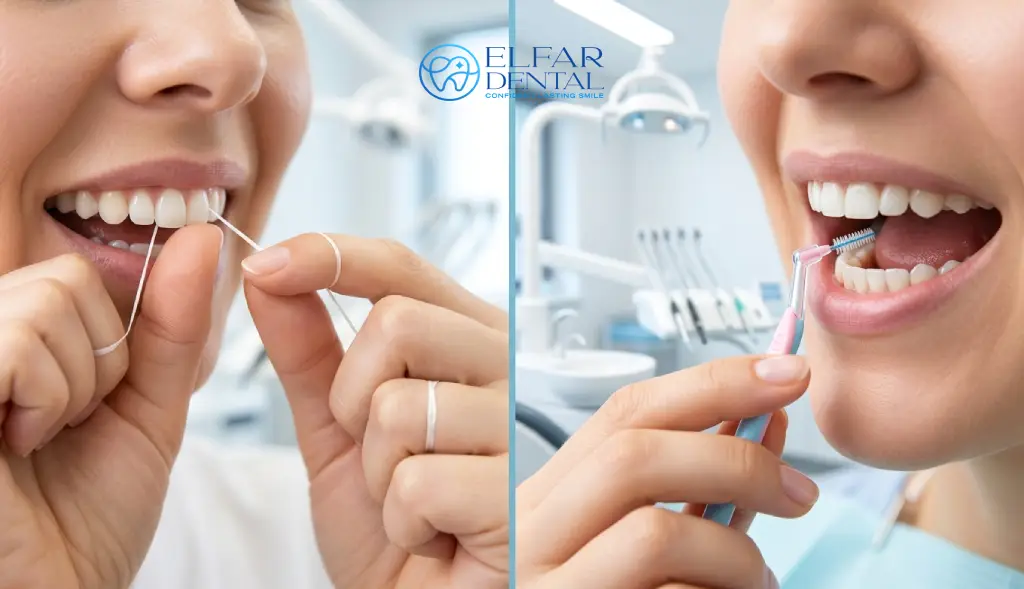
Two common options are traditional dental floss and interdental brushes. Both are designed to help remove plaque and food debris from areas that can otherwise be missed.
But which one should you use? Is floss better for tightly spaced teeth? Are interdental brushes suitable for everyone? And what should you do if your gums bleed when cleaning between your teeth?
In this guide, Elfar Dental explains the differences between flossing and interdental brushes, how to use them, common mistakes to avoid, and when personalised dental advice may be helpful.
Why Is Cleaning Between Your Teeth Important?
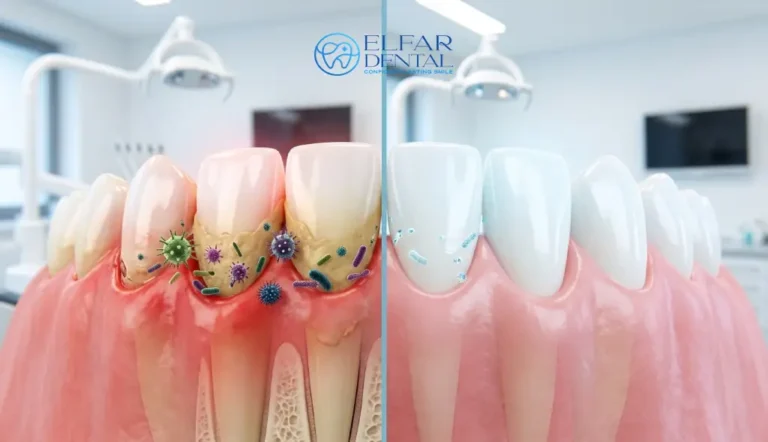
Your toothbrush cleans the accessible surfaces of your teeth, but its bristles may not adequately reach every space between neighbouring teeth.
Plaque is a sticky film of bacteria that continuously develops on tooth surfaces. When plaque is not removed effectively, it can contribute to tooth decay and gum inflammation.
Over time, plaque may harden into calculus, also known as tartar, which generally requires professional removal.
Cleaning between your teeth helps remove plaque and trapped food from areas that brushing alone may miss.
The Australian Dental Association recommends daily interdental cleaning as part of an oral hygiene routine.
The most suitable cleaning tool depends on factors such as your tooth spacing, gum health, dental restorations and ability to use the device correctly.
What Is Dental Floss?
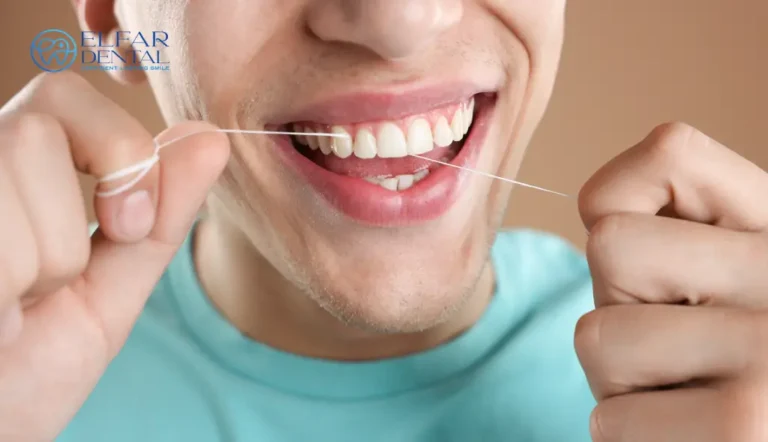
Dental floss is a thin strand of material designed to pass between teeth and clean the surfaces that face each other.
It is available in several forms, including:
Waxed dental floss
Unwaxed dental floss
Dental tape
Floss picks or flossettes
Specialist floss designed for particular dental appliances
Traditional string floss can be useful where the spaces between teeth are relatively narrow.
When used correctly, it can help remove plaque from the sides of neighbouring teeth and just beneath the gumline.
However, effective flossing requires appropriate technique. Simply moving floss quickly between the teeth may not adequately clean their surfaces.
What Are Interdental Brushes?
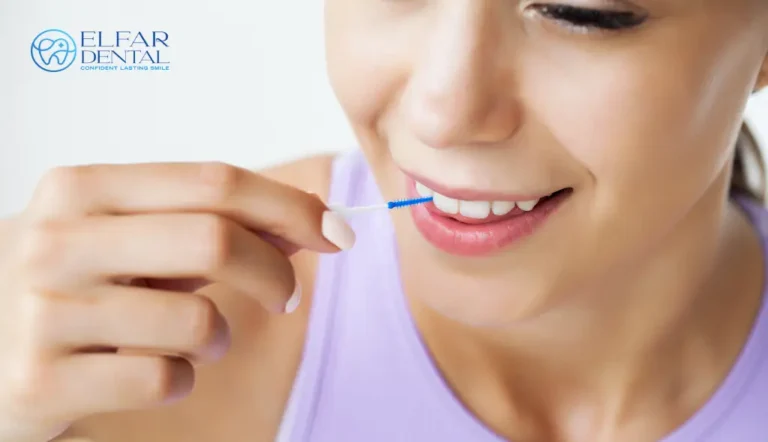
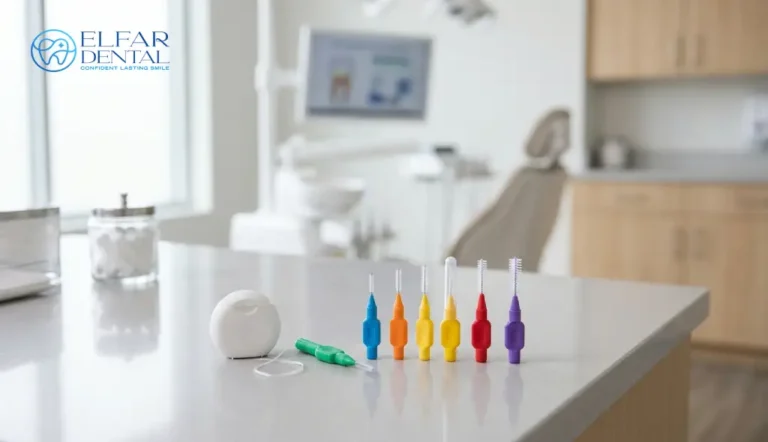
Interdental brushes are small brushes specifically designed to clean the spaces between teeth.
They generally consist of a narrow cleaning head attached to a handle and are available in different sizes.
Unlike traditional dental floss, which uses a strand of material, interdental brushes use small bristles to clean accessible spaces.
They may be particularly useful for people with:
Wider spaces between teeth
Gum recession
Certain fixed orthodontic appliances
Some types of dental bridges
Areas that are difficult to clean with conventional floss
Not every interdental brush is suitable for every space.
Choosing the correct brush size is important. A brush should fit without being forced between the teeth. Your dental practitioner can demonstrate suitable sizes and techniques for your individual needs.
Flossing vs Interdental Brushes: What's the Difference?
Although both products are designed for interdental cleaning, they work differently.
| Feature | Dental Floss | Interdental Brushes |
|---|---|---|
| Cleaning method | A thin strand cleans the sides of teeth | Small bristles clean accessible spaces |
| Narrow tooth contacts | Often suitable | May not fit |
| Wider spaces | Can be used | May be particularly useful |
| Available sizes | Different types and thicknesses | Multiple brush diameters |
| Technique | Requires careful positioning around each tooth | Requires correct brush size and gentle movement |
| Main consideration | Avoid snapping floss against gums | Never force a brush into a narrow space |
The most appropriate option is not necessarily the same for every person.
Some people may benefit from using floss in certain areas and interdental brushes in others.

Which Is Better: Floss or Interdental Brushes?
There is no single product that is best for everyone.
The choice depends on the shape and spacing of your teeth, your gum health, existing dental work and how effectively you can use the cleaning tool.
When Dental Floss May Be Suitable
Dental floss may be useful when:
Your teeth have relatively tight contact points.
An interdental brush cannot fit comfortably.
You can position floss around the sides of each tooth.
Your dentist has recommended floss for particular areas.
When Interdental Brushes May Be Suitable
Interdental brushes may be useful when:
There is enough space for the brush to pass comfortably.
You have areas of gum recession.
Your dentist has identified spaces that may be easier to clean with a brush.
You have certain dental appliances or restorations that require an adapted cleaning routine.
The aim is not to choose whichever product appears more advanced. It is to find a method that is suitable for your mouth and that you can use consistently and correctly.
How to Floss Your Teeth Correctly
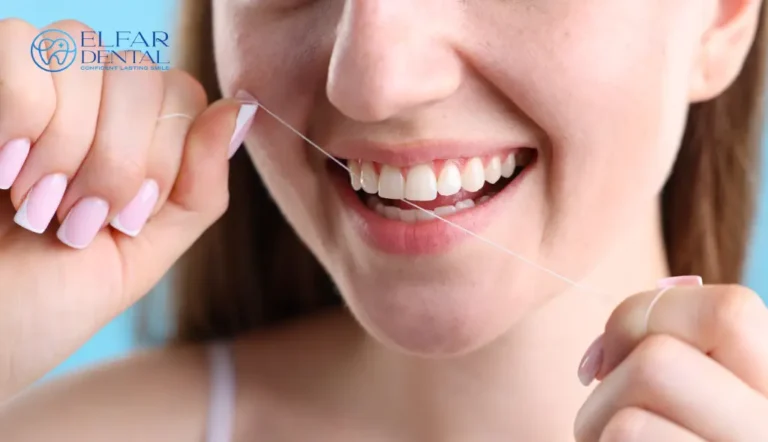
Using the right flossing technique is important for effective cleaning and avoiding unnecessary gum trauma.
A general approach involves the following steps:
Step 1: Prepare the floss
Take approximately 30–45 cm of dental floss and wind most of it around your middle fingers, leaving a short working section between your hands.
Step 2: Guide the floss between your teeth
Use gentle movements to guide the floss through the contact point.
Avoid snapping or forcing it against the gums.
Step 3: Curve the floss around the tooth
Once the floss is between two teeth, curve it into a C-shape against the side of one tooth.
Step 4: Clean the tooth surface
Gently move the floss up and down along the tooth surface, including just beneath the gumline where appropriate.
Step 5: Repeat on the neighbouring tooth
Adjust the floss against the adjacent tooth and repeat the cleaning movement.
Step 6: Move to the next space
Use a clean section of floss as you continue.
If you find flossing difficult, ask your dental practitioner to demonstrate the technique during your next appointment.
How to Use Interdental Brushes Correctly
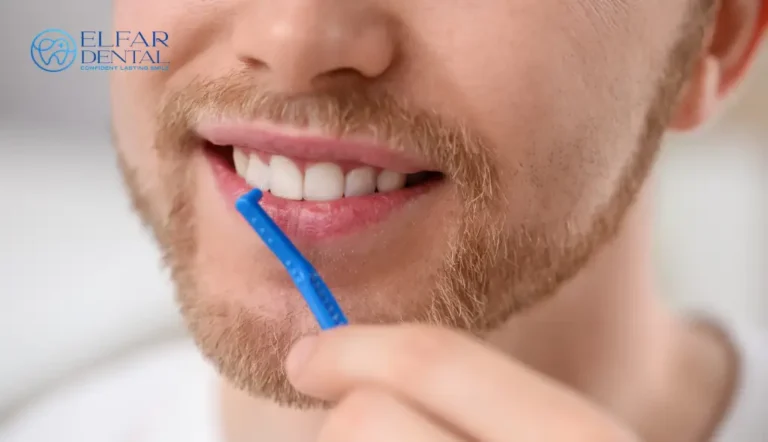
Interdental brushes can be convenient, but the correct size and technique matter.
1. Select an Appropriate Brush Size
The brush should fit comfortably into the space between your teeth.
Different areas of your mouth may require different brush sizes.
2. Insert the Brush Gently
Position the brush near the space between two teeth and carefully guide it through.
Do not force the brush if you experience resistance.
3. Move the Brush Carefully
Gently move the brush back and forth through the accessible space, following the product instructions and your dental practitioner’s advice.
4. Clean the Brush
Rinse the brush after use and replace it according to the manufacturer’s recommendations or when it becomes worn or damaged.
5. Avoid Forcing a Brush into Tight Spaces
If the brush does not fit, a smaller size or a different interdental cleaning method may be more appropriate.
Your dentist or dental hygienist can help identify suitable tools for different areas of your mouth.
Why Do My Gums Bleed When I Floss?
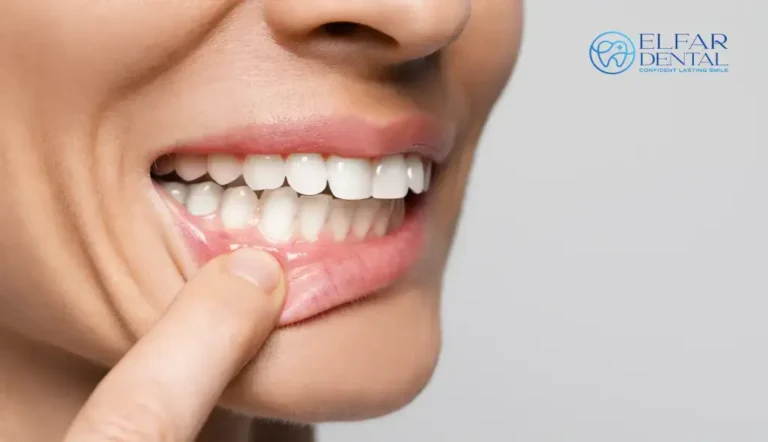
Noticing blood when flossing can be concerning, particularly if you have recently started cleaning between your teeth.
Bleeding may occur for several reasons, including:
Plaque-related gum inflammation
Gingivitis
Excessive pressure or incorrect cleaning technique
Injury to the gum tissue
Other oral or general health factors
Bleeding should not automatically be considered normal or ignored.
If your gums bleed, review your technique and continue appropriate gentle oral hygiene rather than repeatedly irritating the area.
If bleeding persists, occurs frequently or is accompanied by swelling, discomfort or other changes, arrange a dental assessment.
Your dentist can examine your gums and help determine whether further care is appropriate.
Related reading: Bleeding Gums: Causes, Symptoms, Prevention & Treatment.
Should You Floss Before or After Brushing?
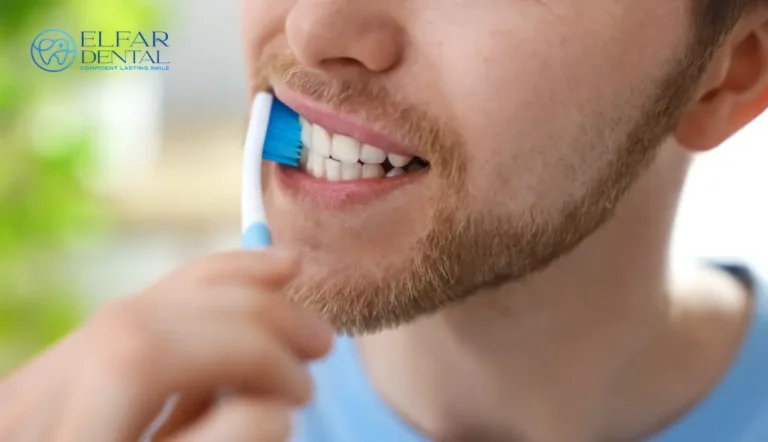
A common question is whether flossing should come before or after brushing.
For most people, the important consideration is maintaining an effective daily routine rather than focusing exclusively on the order.
Cleaning between your teeth helps remove plaque and debris from areas your toothbrush may not reach.
A practical oral hygiene routine generally includes:
Brushing twice daily with fluoride toothpaste
Cleaning between your teeth every day
Using an appropriate cleaning technique
Following any individual advice provided by your dental practitioner
If you use a fluoride toothpaste, avoid rinsing your mouth vigorously with water immediately after brushing, as this can wash away residual fluoride.
Your dentist can provide personalised advice about the most suitable routine for you.
Are Water Flossers an Alternative?

Water flossers use a directed stream of water to help clean around teeth and certain dental appliances.
They may be useful for some people, particularly where conventional flossing is difficult.
However, a water flosser should not automatically be assumed to be a complete substitute for every other interdental cleaning method.
The suitability of water flossers depends on individual oral health needs, existing dental work and how effectively the device is used.
If you are considering one, ask your dental practitioner whether it is appropriate for your circumstances.
Common Interdental Cleaning Mistakes to Avoid
Even when you clean between your teeth regularly, technique can influence how effectively you remove plaque.
Some common mistakes include:
1. Snapping Floss Against the Gums
Forcing floss through a tight contact point can irritate or injure gum tissue.
Guide the floss gently and maintain control as it passes between teeth.
2. Using an Interdental Brush That Is Too Large
A brush that does not fit comfortably should not be forced into position.
Different spaces may require different brush sizes.
3. Cleaning Only the Front Teeth
The spaces between back teeth can also accumulate plaque and food debris.
Include all accessible interdental spaces in your routine.
4. Stopping Interdental Cleaning Because of Bleeding
Bleeding may indicate gum inflammation or another concern.
Rather than abandoning oral hygiene, use a gentle technique and seek professional assessment if bleeding persists.
5. Assuming Interdental Cleaning Replaces Brushing
Floss and interdental brushes complement toothbrushing; they do not replace it.
Both accessible tooth surfaces and the spaces between teeth require attention.
Do Children Need to Floss?

Children also need appropriate oral hygiene as their teeth develop.
Cleaning between teeth becomes particularly relevant when neighbouring teeth begin touching and a toothbrush can no longer adequately clean those contact surfaces.
Younger children generally need assistance from a parent or caregiver.
The most appropriate method depends on the child’s age, coordination, tooth development and individual needs.
If you are unsure when to introduce flossing or how to help your child, your dental practitioner can provide guidance.
Can You Use Interdental Brushes with Braces?
Fixed orthodontic appliances can create additional areas where plaque and food debris accumulate.
Depending on the appliance and available space, interdental brushes may help clean certain accessible areas around brackets and wires.
However, they should be selected and used carefully.
Your treating dental practitioner can explain which cleaning tools are suitable for your particular orthodontic appliance.
Do not force brushes beneath wires or into spaces where they do not fit comfortably.
When Should You See a Dentist About Your Gums?
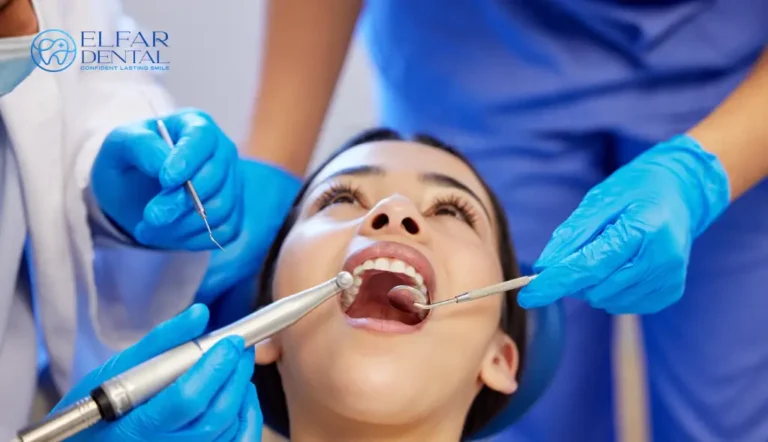
Consider arranging a dental assessment if you notice:
Persistent bleeding when brushing or flossing
Swollen, tender or red gums
Gum recession
Ongoing bad breath despite regular oral hygiene
Pain when cleaning between teeth
Loose teeth
Changes in the appearance of your gums
These symptoms can have different causes and require individual assessment.
If you develop significant facial swelling, severe pain, uncontrolled bleeding or difficulty swallowing or breathing, seek urgent medical or dental attention as appropriate.
Oral Hygiene Advice at Elfar Dental in Belconnen, Canberra
Not sure whether dental floss or interdental brushes are suitable for your teeth?
At Elfar Dental in Belconnen, your dental practitioner can assess your oral health, discuss your existing cleaning routine and provide guidance based on your individual needs.
Depending on your circumstances, your appointment may include:
Assessment of your teeth and gums
Discussion of plaque and calculus accumulation
Review of your current brushing and interdental cleaning techniques
Advice about appropriate cleaning tools
Professional dental cleaning when clinically indicated
Recommendations for further assessment or care where appropriate
Elfar Dental provides general dental care for individuals and families in Belconnen and surrounding Canberra suburbs, including Bruce, Macquarie, Cook, Aranda, Florey, Kaleen and nearby areas.
The goal is to help you understand your oral health and make informed decisions about your daily dental care.

About Our Dental Practice

Frequently Asked Questions
Q: Is flossing better than using interdental brushes?
A: Neither method is automatically better for everyone. Floss may be suitable for narrow spaces, while interdental brushes may be useful where sufficient space is available. Your dentist can recommend an appropriate method based on your teeth and gums.
Q: Should I use floss and interdental brushes together?
A: Some people may benefit from using both methods in different areas of their mouth. The appropriate combination depends on tooth spacing and individual oral health needs.
Q: How often should I clean between my teeth?
A: Daily interdental cleaning is generally recommended as part of an oral hygiene routine.
Q: Why do my gums bleed when I floss?
A: Bleeding may be associated with plaque-related inflammation, gingivitis, incorrect cleaning technique or other factors. Persistent bleeding should be assessed by a dental professional.
Q: Can interdental brushes damage my gums?
A: Using an incorrectly sized brush or forcing it between teeth may cause irritation or injury. Choose an appropriate size and use a gentle technique.
Q: Can I use interdental brushes if my teeth are close together?
A: Interdental brushes may not fit comfortably into very narrow spaces. Dental floss or another suitable cleaning method may be more appropriate.
Q: Do I still need professional dental cleaning if I floss daily?
A: Daily oral hygiene is important, but calculus cannot generally be removed through ordinary brushing or flossing. Your dentist can assess whether professional cleaning is clinically appropriate for you.
Q: Can I use a water flosser instead of traditional floss?
A: Water flossers may be useful for some individuals, but their suitability depends on your oral health and cleaning needs. Ask your dental practitioner whether a water flosser is an appropriate option for you.
Q: When should children start flossing?
A: Interdental cleaning becomes relevant when neighbouring teeth begin touching. Younger children generally need assistance from a parent or caregiver.
Q: Where can I get personalised oral hygiene advice in Canberra?
A: Elfar Dental in Belconnen provides general dental care, including oral health assessments and individual advice about brushing and cleaning between teeth.
Looking After the Spaces Between Your Teeth

Choosing between dental floss and interdental brushes does not have to be complicated.
The most suitable option depends on your tooth spacing, gum health, existing dental work and ability to use the cleaning tool effectively.
A consistent daily routine, appropriate technique and professional dental advice when needed can all contribute to maintaining oral health.
Would you like guidance on your oral hygiene routine?
Contact Elfar Dental to arrange a dental appointment and discuss your individual oral health needs.
At Elfar Dental in Belconnen, Canberra, Dr Mohamed Elfar, General Dentist, can assess your teeth and gums and discuss appropriate preventive and treatment options based on your individual circumstances.
Elfar Dental
Suite 5F, 21 Benjamin Way
Belconnen ACT 2617
Phone: (02) 6251 9991
Dr Mohamed Elfar — General Dentist
AHPRA Registration No.: DEN0000979762
Schedule an appointment with Dr. Mohamed Elfar, General Dentist, Registration No. DEN0000979762, at Elfar Dental in Belconnen.
Your Belconnen dentist. Discover more about our dental care services. Book a visit.
Ready to book your appointment?
📞 Call Our Family-Friendly Team at (02) 6251 9991
💻 Book online easily at Get Appointment
📍 Visit our modern clinic at 21 Benjamin Way, Suite 5F, Belconnen ACT 2617
Elfar Dental – Your partner for family dental care in Belconnen, Canberra, ACT.
Important Note:
This article provides general educational information and does not replace personalised dental advice, diagnosis or treatment. Oral health needs vary between individuals. A registered dental practitioner can assess your circumstances and recommend appropriate care. Results and experiences may vary.