
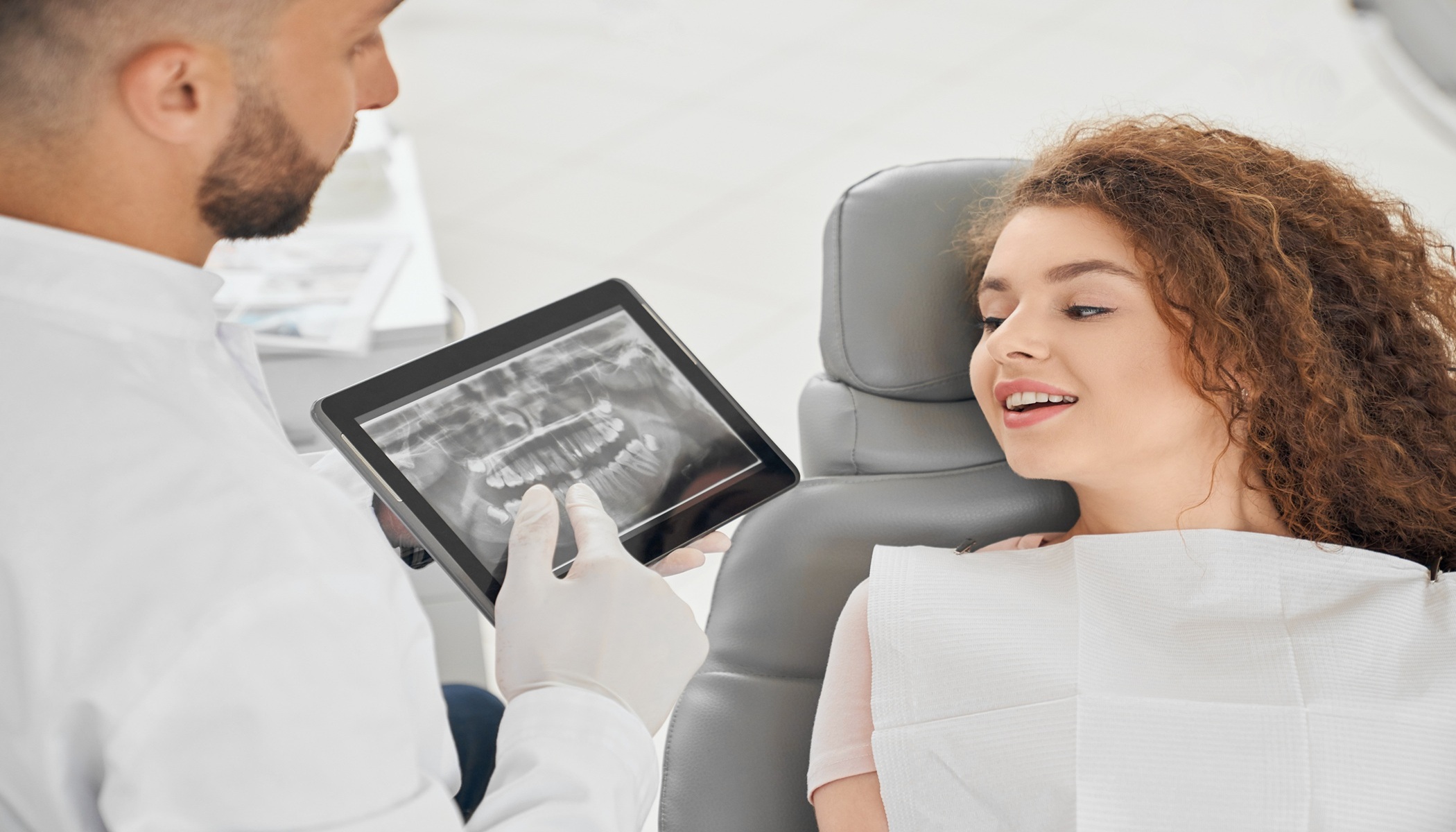
Smart Dental Innovation: Digital Scanners & Lasers in Modern Dentistry
Dental innovation has changed the way we approach oral healthcare, making treatments more patient-friendly. In fact, the application of laser technology in dentistry became possible only in the 1990s, bringing precision and reducing patient discomfort . Today, these dental technologies have changed everything from routine cleanings to complex surgical procedures.
Furthermore, modern dental technologies like laser dentistry may reduce the need for local anesthesia in some cases, creating a more comfortable experience for patients. Additionally, digital imaging represents one of the most significant advancements, while 3D printing is increasingly adopted by Australian dental practices to offer tailored solutions . We’re particularly excited about precision technology like the Trios 6 3Shape Scanner, which we use at Elfar Dental to deliver care through accurate digital impressions.
In this guide, we’ll explore how these smart dental technologies are creating better care experiences with supporting patient comfort and efficient treatment. From laser treatments that promote faster healing to AI-assisted diagnostics that catch problems earlier, we’ll show you why there’s never been a better time to visit the dentist.
The rise of digital-first dental practices
The technological wave sweeping through dental offices worldwide has created a fundamental shift in how oral healthcare is delivered. Currently, about 53% of U.S. dentists use intraoral scanners [1], though only 17% have integrated 3D printers into their workflows—revealing an industry in transition.
Why digital tools are replacing traditional methods
Traditional dental procedures often involved uncomfortable impression materials, multiple appointments, and longer wait times. Digital diagnostic tools, however, offer compelling advantages that are driving their rapid adoption across practices.
Research demonstrates that digital impression techniques significantly reduce total treatment time—248.48 seconds compared to 605.38 seconds for conventional methods [1]. This represents a 60.36% reduction in overall treatment time [1]. Moreover, dental professionals rate digital impressions as less difficult to perform, with mean scores of 24.00 versus 48.02 for conventional techniques on a 100-point scale [1].
Cost-effectiveness also plays a critical role in this shift. Although the initial investment in digital equipment may seem substantial, practices ultimately save money by:
- Eliminating expensive impression materials that require constant replenishment
- Reducing shipping costs by sharing digital files instantly with laboratories
- Decreasing the number of patient visits needed for treatment completion [1]
At Elfar Dental, we’ve embraced this digital transformation with the Trios 6 3Shape Scanner—a state-of-the-art intraoral scanning system that captures precise 3D models of oral structures without the discomfort of traditional impression materials.
Digital technology essentially creates a more streamlined dental workflow. For instance, single-unit restorations with digital methods reduce active working time by 38.4% [1], allowing dentists to see more patients and improve practice productivity.
How digital workflows improve patient experience
Patient preference for digital methods is overwhelming—89% prefer digital impressions over traditional approaches [2]. This preference stems primarily from increased comfort during procedures. Patients rate their distress levels at just 6.50 on a Visual Analog Scale for digital impressions compared to 44.86 for conventional methods [1].
The benefits extend beyond comfort. Digital dentistry can reduce the number of appointments needed. Traditional denture workflows typically require five visits, but digital alternatives can accomplish the same result in just two or three visits—a 60% reduction [2].
These improvements translate directly into practical advantages for patients:
Convenience plays a major role, especially for those with mobility issues or who live in remote areas [3]. Through teledentistry and digital monitoring, dentists can evaluate treatment progress without requiring frequent in-office visits.
Digital impressions particularly benefit nervous patients or those with strong gag reflexes [4]. The small handheld scanners eliminate the discomfort associated with traditional impression materials, making the entire experience more pleasant.
Laboratory turnaround times have also improved with digital workflows reducing waiting periods from two weeks to just a few days in many cases—representing a 75-85% reduction [1].
Consequently, as digital technology continues advancing, its role in dentistry will only expand, offering more precise diagnostics, better preventive strategies, and enhanced patient engagement [3], ultimately reshaping the future of modern dental care.
Key technologies in dental care
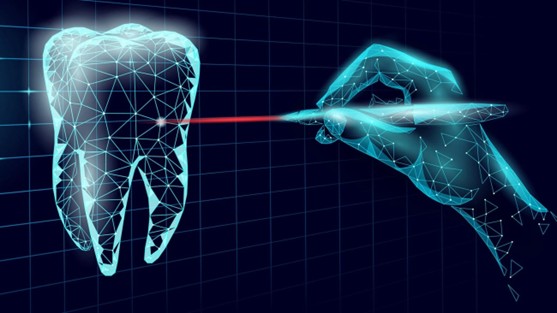
Image Source: Oral Health Group
“Among the notable software upgrades it has already made, Convergent Dental is continually adding and changing spot patterns and sizes, which translates into faster cutting, less sensitivity, and easier operation. Some have increased cutting speed up to tenfold. I recently treated a 4-year-old patient with four deep Class IIs. After 20 minutes in the chair and no anesthesia, he left with a smile and went right back to school with no numbness or chemicals.” — Dr. Lawrence A. Kotlow, Board-certified Pediatric Dentist, laser dentistry pioneer
Modern dentistry is witnessing breakthrough technologies that are changing how dental professionals diagnose and treat patients. These innovations offer enhanced precision, comfort, and efficiency that were unimaginable just a decade ago. Laser dentistry for less invasive procedures
Laser technology has emerged as a significant advancement since its dental introduction in the 1990s, primarily because it delivers precision with minimal damage to surrounding tissues. Unlike traditional tools, dental lasers provide superior control during procedures, resulting in less postoperative discomfort for patients [5].
The benefits of laser dentistry are substantial:
- Reduced bleeding – Lasers seal blood vessels during cutting, minimizing bleeding [5]
- Healing – Laser procedures promote tissue regeneration with less inflammation and edema [5]
- Reduced need for anesthesia – Some laser treatments may be performed without local anesthesia in certain cases, making them ideal for anxious patients [6]
- Sterilization during treatment – Lasers naturally sterilize the working area, substantially reducing infection risk [5]
Beyond these advantages, laser technology creates a dry and sterile environment during procedures, improving visibility and further lowering postoperative infection risk [5]. At Elfar Dental, we’ve seen firsthand how laser dentistry transforms patient experiences across treatments ranging from cavity preparation to periodontal therapy.
3D printing for custom dental devices
Initially considered experimental, 3D printing has become more common in modern dentistry, currently valued at AUD 4.89 billion in the US market alone [7]. This technology enables the precise layer-by-layer creation of dental appliances from digital models.
The dental applications of 3D printing are remarkably diverse:
- Custom splints and aligners – Created with accuracy to minimize patient discomfort [7]
- Detailed dental models – Full arch, crown, or bridge models that improve treatment planning [7]
- Precise surgical guides – Supporting complex procedures with multiple implant placements [7]
Dental practices integrating 3D printing technology enjoy impressive benefits. Production times decrease dramatically – what once took weeks can now be accomplished in days [8]. Subsequently, operational costs fall as practices reduce laboratory expenses and material waste [9].
In contrast to traditional methods involving multiple manual steps, 3D printing delivers consistent precision and accuracy at every stage, minimizing human error and reducing patient visits [7]. Combined with digital scanning technologies like our Trios 6 3Shape Scanner at Elfar Dental, 3D printing completes a fully digital workflow that revolutionizes treatment delivery.
AI in diagnostics and treatment planning
Artificial intelligence represents perhaps the most profound shift in dental care delivery. AI systems analyze vast amounts of dental data—including X-rays, images, and patient records—with precision, identifying subtle abnormalities that might otherwise go undetected [1].
In dental diagnostics, AI delivers capabilities:
- Early detection – AI algorithms identify early signs of dental decay and periodontal disease before symptoms appear [1]
- Enhanced accuracy – Studies show high accuracy in detecting periodontal bone loss, aiding early intervention [10]
- Severity assessment – AI effectively evaluates disease severity, helping create personalized treatment plans [10]
AI-powered predictive models in dentistry forecast various aspects of patient care, analyzing extensive patient histories to identify oral health risk factors [1]. Indeed, these systems can determine the most suitable treatment options for individual patients based on their specific conditions and medical histories [1].
Notably, AI stays current with the latest developments in dentistry, ensuring treatment recommendations align with the most up-to-date clinical guidelines and evidence-based practices [1]. As AI technologies continue advancing, their role in dental care will only expand, offering increasingly sophisticated diagnostic and treatment planning capabilities.
The power of precision: Trios 6 3Shape Scanner
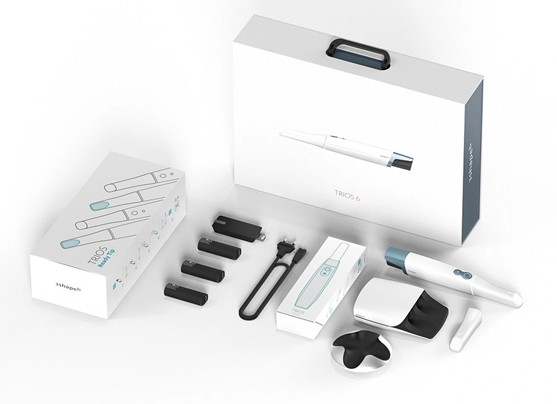
Image Source: Institute of Digital Dentistry
At Elfar Dental, precision is paramount in our treatment approach, which is exactly why we’ve adopted the Trios 6 3Shape Scanner in our practice. This advanced intraoral scanning technology represents a significant advancement in digital dentistry capabilities.
How it works and what makes it different
The Trios 6 employs groundbreaking hyperspectral technology that simultaneously captures data using three distinct light sources in a single scan [11]. This unique multi-source imaging combines:
- White light for capturing basic geometry and vibrant color details
- Fluorescence detection for identifying potential caries issues
- Near-infrared imaging for enhanced visualization of proximal regions
Rather than requiring separate scanning processes for different diagnostic needs, this scanner effortlessly collects comprehensive data in one smooth operation. The scanner produces image quality with up to 110% higher resolution compared to previous models [12], providing unmatched detail for both clinical assessment and laboratory work.
What truly sets the Trios 6 apart is its integration with TRIOS Dx Plus software – an AI-powered diagnostic assistant that analyzes scan data to help identify five key oral health conditions [13]:
- Occlusal caries detection with severity classification
- Tooth wear analysis with millimeter-precise measurements
- Gingival recession identification with precise measurements
- Digital plaque visualization without traditional disclosing solutions
- Enhanced proximal caries visualization using combined light sources
Benefits for both dentists and patients
For dental professionals, this scanner delivers diagnostic capabilities alongside ergonomics. Weighing just 308 grams and measuring 26.6 cm in length [14], the wireless, calibration-free design allows maximum freedom of movement during procedures. The dual-button interface provides intuitive control – one for scanning and another for software navigation [15].
Patients experience comfort with this technology. Traditional impressions that once required messy materials and caused discomfort are replaced by quick, powder-free digital scanning completed in seconds rather than the fifteen minutes needed for conventional methods [2]. This improvement is particularly valuable for patients with strong gag reflexes.
Perhaps most impressive is how the Trios 6 enhances communication between dentist and patient. The scanner instantly displays 3D impressions on screen, allowing patients to visualize their oral condition immediately [2]. Combined with the DentalHealth mobile app, patients can access their scan data, track oral health progress, receive personalized recommendations, and stay connected between appointments [13].
Through this dental innovation, Elfar Dental provides treatments that are not only more precise but also more comfortable, efficient, and engaging for our patients.
Healing and outcomes with PBM
Photobiomodulation (PBM) represents one of the most exciting dental innovations for improving healing outcomes. This non-invasive therapy uses specific wavelengths of red to near-infrared light (630-1000 nm) to stimulate cellular healing responses without thermal effects or tissue damage.
How photobiomodulation supports recovery
PBM works primarily by targeting cytochrome c oxidase, a photoacceptor molecule in mitochondria, which increases adenosine triphosphate (ATP) production and activates cellular regeneration pathways [16]. This cellular stimulation accelerates tissue healing and reduces inflammation following dental procedures.
The scientific evidence for PBM’s effectiveness is available. Studies show that implants treated with PBM achieve 48.1% bone-implant contact compared to just 29.6% in untreated controls [17]. Remarkably, complete osseointegration occurs in 25% of PBM-treated implants versus only 12.5% of untreated implants [17]. PBM-treated areas also demonstrate fewer inflammatory reactions (8% versus 19% in untreated areas) [17].
Applications in surgery, implants, and pain relief
In post-surgical recovery, PBM may provide benefits:
- Enhanced wound healing – Patients receiving PBM show healing index scores of 4.10 compared to just 2.1 in untreated groups [18]
- Reduced pain levels – Pain scores are consistently lower at all intervals (12h, 24h, 48h, and 72h) following PBM treatment [19]
- Improved implant stability – LED-based PBM stimulates cell growth and ATP production around implant sites [17]
- Faster recovery times – Treatment times typically range from 17.1 to 900 seconds per application [20]
At Elfar Dental, we integrate PBM therapy alongside our Trios 6 3Shape Scanner in a comprehensive digital workflow. First, we capture precise 3D images with the scanner; then, we apply targeted PBM therapy to treatment sites. This combination enhances both diagnostic accuracy and healing outcomes, particularly following implant placements or other surgical procedures.
PBM represents a valuable complement to our digital-first approach, offering patients faster healing with less discomfort—a perfect example of how dental laser treatment continues to advance patient care.
What’s next in smart dental innovation
Looking ahead to the dental landscape of tomorrow reveals extraordinary possibilities beyond today’s technologies. The future of oral healthcare promises even greater precision, accessibility, and sustainability.
Predictive care with AI and data
Advanced AI algorithms may help analyze data to forecast dental issues. These predictive systems combine patient health histories, genetic markers, and dietary patterns to create personalized prevention strategies, ultimately shifting dentistry from reactive treatments toward proactive care.
Remote monitoring and teledentistry
Virtual consultations are increasingly becoming mainstream, enabling dentists to evaluate patients regardless of location. Building on technologies like the Trios 6 3Shape Scanner we use at Elfar Dental, future innovations will allow continuous monitoring through smart toothbrushes and oral sensors that transmit real-time data to dental professionals. This ongoing communication between appointments will help identify issues earlier and reduce unnecessary office visits.
Sustainable and biocompatible materials
The next wave of dental materials focuses on environmental sustainability without compromising performance. Researchers are developing:
- Biodegradable polymers for temporary appliances
- Self-healing composites that extend restoration lifespans
- Biomimetic materials that actively promote tissue regeneration
These emerging innovations represent just the beginning of dentistry’s exciting future—where treatments become more personalized, comfortable, and effective through continuous technological advancement.
Conclusion
Dental innovation has truly transformed patient experiences through remarkable technological advancements. Throughout this guide, we’ve seen how digital workflows reduce treatment times by up to 60%, while laser dentistry minimizes discomfort and supports healing. Consequently, modern dental care now offers precision, comfort, and efficiency.
We at Elfar Dental witness these benefits firsthand through our use of the Trios 6 3Shape Scanner. This modern technology captures detailed 3D images with 110% higher resolution than previous models, therefore allowing us to provide more accurate diagnoses and treatment plans. Patients particularly appreciate the quick, powder-free scanning process that replaces uncomfortable traditional impressions.
Additionally, technologies like AI diagnostics and 3D printing continue reshaping dental care delivery. AI systems detect problems earlier with accuracy, while 3D printing creates custom devices faster and more precisely than conventional methods. Similarly, photobiomodulation therapy significantly enhances healing outcomes, with studies showing dramatically improved bone-implant contact and reduced inflammation.
Smart dental innovation makes dental visits less intimidating than ever before. Patients now benefit from procedures requiring fewer appointments, reduced need for anesthesia, and reduced recovery times. Thus, the days of dreading dental treatments gradually fade as technology continues advancing toward more patient-friendly approaches.
The future looks even brighter with predictive AI care, remote monitoring, and biocompatible materials on the horizon. These developments may continue the trajectory toward more personalized, comfortable dental care. After all, dental innovation ultimately serves one primary purpose – providing you with better oral health through more comfortable experiences and faster results.
Key Takeaways
Modern dental technology is revolutionizing patient care by making treatments more comfortable, precise, and efficient than ever before.
- Digital impressions reduce treatment time by 60% and eliminate uncomfortable traditional materials, with 89% of patients preferring this method • Laser dentistry often requires no anesthesia and supports healing through precise tissue targeting and natural sterilization • AI-powered diagnostics detect dental problems earlier with accuracy, enabling proactive rather than reactive treatment approaches • 3D printing creates custom dental devices in days instead of weeks, reducing costs and improving treatment precision • Advanced scanners like the Trios 6 capture detailed 3D images instantly, allowing patients to visualize their oral health in real-time
The combination of these technologies means fewer appointments, patient comfort, and better outcomes. With innovations like photobiomodulation therapy showing 48% better bone-implant contact and predictive AI on the horizon, dental care continues evolving toward more personalized, comfortable experiences that prioritize patient wellbeing alongside clinical excellence.
Frequently Asked Questions (FAQ)
Q1. What are the latest advancements in dental technology?
Recent innovations include AI-powered diagnostics for early problem detection, 3D printing for custom dental devices, and advanced intraoral scanners like the Trios 6 3Shape Scanner for precise digital impressions. These technologies offer more accurate diagnoses, faster treatment times, and improved patient comfort.
Q2. How does laser dentistry benefit patients?
Laser dentistry often eliminates the need for anesthesia, reduces bleeding and pain, supports healing, and naturally sterilizes the treatment area. This results in less invasive procedures, minimal discomfort, and quicker recovery times for patients.
Q3. Are digital dental impressions better than traditional methods?
Yes, digital impressions are generally preferred by patients and dentists alike. They reduce treatment time by up to 60%, eliminate the discomfort associated with traditional impression materials, and provide more accurate results. About 89% of patients prefer digital impressions over conventional approaches.
Q4. What is photobiomodulation (PBM) and how does it help in dental treatments?
Photobiomodulation is a non-invasive therapy using specific light wavelengths to stimulate cellular healing. In dentistry, it supports recovery after surgeries, improves implant stability, and reduces pain and inflammation. Studies show PBM can achieve 48.1% bone-implant contact compared to 29.6% in untreated cases.
Q5. How is artificial intelligence (AI) changing dental care?
AI is revolutionizing dental diagnostics and treatment planning. It can analyze dental images and patient data to detect early signs of decay, assess disease severity, and predict oral health risks. This enables more proactive and personalized care, potentially catching problems before symptoms appear.
References
[1] – https://pmc.ncbi.nlm.nih.gov/articles/PMC10748804/
[3] – https://pmc.ncbi.nlm.nih.gov/articles/PMC12113309/
[4] – https://silveroakdentistry.co.uk/how-does-digital-dentistry-improve-patient-experience/
[5] – https://pmc.ncbi.nlm.nih.gov/articles/PMC11674728/
[6] – https://www.123dental.com.au/laser-dentistry/
[8] – https://karaleefamilydental.com.au/3d-printing-in-dentistry-custom-crowns-and-mouthguards/
[9] – https://andent.com/advancements-in-3d-printing/
[10] – https://www.mdpi.com/2075-4418/14/24/2804
[14] – https://shop.promadent.de/3Shape-TRIOS-6_1
[15] – https://ivde.com.au/wp-content/uploads/2025/06/3Shape-TRIOS-6-FAQ-EN.pdf
[16] – https://pubmed.ncbi.nlm.nih.gov/40928982/
[17] – https://pmc.ncbi.nlm.nih.gov/articles/PMC10462914/
[18] – https://pmc.ncbi.nlm.nih.gov/articles/PMC10107821/
[19] – https://www.sciencedirect.com/science/article/pii/S2666469021000476
About Our Dental Practice

Your Belconnen dentist. Discover more about our dental care services. Book a visit.
Ready to book your appointment?
📞 Call Our Family-Friendly Team at (02) 6251 9991
💻 Book online easily at Get Appointment
📍 Visit our modern clinic at 21 Benjamin Way, Suite 5F, Belconnen ACT 2617
Elfar Dental – Your partner for family dental care in Belconnen, Canberra, ACT.
Important Note:
This information is for educational purposes and should not replace professional dental advice. Every patient’s situation is unique, and treatment decisions should be made in partnership with qualified dental professionals. Always seek the advice of your dentist with any questions about your oral health. If you have severe dental phobia, speak with your dentist about appropriate management options.
