
Metallic Taste in Mouth: 7 Possible Causes (And When to See a Dentist)
You sit down to enjoy your morning coffee, take a sip, and suddenly—a strange, unpleasant metallic taste coats your tongue. You brush your teeth, use mouthwash, but that coppery sensation lingers. What’s happening?
A persistent metallic taste in your mouth—medically known as dysgeusia—is more common than you might think. It can be fleeting or chronic, mildly annoying or deeply concerning. The good news? In most cases, the cause is identifiable and treatable.
At Elfar Dental, we believe your mouth tells a story about your overall health. That metallic taste could be a message from your body, and understanding it is the first step toward relief. Let’s explore the seven most common causes and, most importantly, when you should seek professional help.
What Is Dysgeusia?
Dysgeusia is a condition where your sense of taste is distorted . Instead of experiencing the normal flavours of food, you might perceive a persistent metallic, salty, bitter, or unpleasant taste—even when eating something sweet or neutral . This taste alteration can significantly impact your quality of life, affecting your ability to enjoy food and, in some cases, leading to nutritional deficiencies.
7 Common Causes of a Metallic Taste in Your Mouth
1. Poor Oral Hygiene and Dental Problems
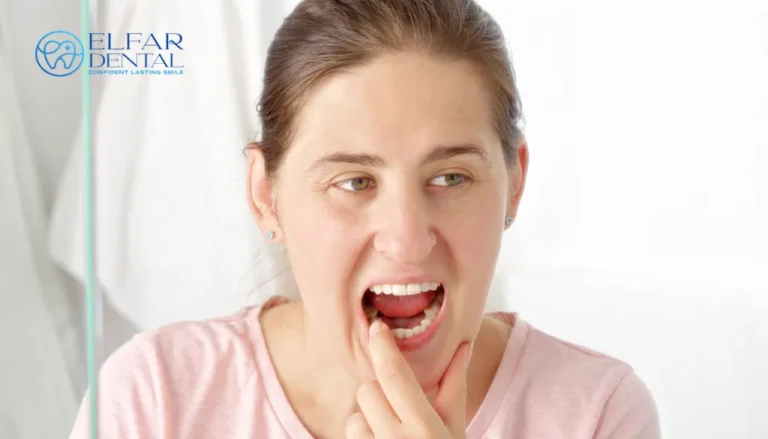
The most common cause of a metallic taste is right in your mouth.
When oral hygiene is neglected, bacteria-laden plaque and tartar accumulate on your teeth and gums. This can lead to:
Gingivitis: Inflammation of the gums causing bleeding and an unpleasant taste .
Periodontitis: Advanced gum disease where deep pockets form between teeth and gums, harbouring infection-causing bacteria .
Pericoronitis: Infection around a partially erupted wisdom tooth .
Dental abscesses or infected teeth: Pus and bacteria directly release foul-tasting substances.
The European Association of Oral Medicine notes that most commonly, a bad taste arises from gingival inflammation, periodontal inflammation, or infection about an erupting wisdom tooth . These conditions can alter blood flow to the tongue, block taste buds, and reduce saliva production—all of which impair taste function.
What to do: Schedule a dental examination and professional cleaning. Good oral hygiene—brushing twice daily, flossing, and regular dental visits—resolves most taste issues related to dental health.
2. Medications

Hundreds of medications list taste alteration as a side effect.
Common drugs that can cause a metallic taste include :
| Medication Category | Examples |
|---|---|
| Antibiotics | Metronidazole, tetracycline, amoxicillin |
| Antirheumatic drugs | Penicillamine, gold, levodopa |
| Antihypertensives | Captopril, diazoxide, ethacrynic acid |
| Antidepressants | Lithium |
| Antiseizure medications | Carbamazepine |
| Chemotherapy drugs | Cisplatin, cyclophosphamide, methotrexate |
| Other | Allopurinol, some antihistamines, metformin |
These medications can affect taste in different ways—some reduce saliva production (leading to dry mouth), while others directly interfere with the signals your taste buds send to your brain.
What to do: If you suspect a medication is causing your metallic taste, do not stop taking it without consulting your doctor. Instead, speak with your prescribing physician—they may be able to adjust your dosage or switch you to an alternative medication.
3. Nutritional Deficiencies

Your body may be signalling it needs specific nutrients.
Zinc deficiency is a well-established cause of taste disorders . Zinc plays a crucial role in the formation and repair of taste buds . When zinc levels are low, taste buds may not function properly, leading to distorted taste perception.
Other nutritional deficiencies linked to metallic taste include :
Vitamin B12 deficiency
Vitamin B3 (niacin) deficiency
Copper deficiency
Iron deficiency (iron supplements themselves can also cause metallic taste)
Paradoxically, excessive zinc intake from supplements or cold remedies can also trigger a metallic taste.
What to do: A balanced diet rich in zinc-containing foods (oysters, red meat, nuts, seeds) and B vitamins may help. However, blood tests are the only way to confirm a deficiency. Your dentist or doctor can recommend appropriate testing.
4. Sinus and Respiratory Infections

Your sinuses and taste are intimately connected.
Upper respiratory infections—including the common cold, flu, sinusitis, and tonsillitis—are frequent causes of temporary taste disturbances . When nasal passages are congested, your ability to smell is compromised, and since taste is closely linked to smell, your perception of flavour becomes distorted .
Sinus infections specifically can cause swelling that blocks saliva ducts, reducing saliva flow and affecting taste bud function.
What to do: As the infection resolves, taste typically returns to normal. If symptoms persist beyond the infection, consult your healthcare provider.
5. Pregnancy

Hormonal changes can temporarily alter taste perception.
Many women experience taste changes during pregnancy, particularly in the first trimester . This is thought to be related to surging estrogen levels, which can affect taste receptors. The metallic taste—sometimes called “pregnancy dysgeusia”—usually resolves on its own as the pregnancy progresses or after childbirth.
What to do: This is normal and typically not a cause for concern. If it becomes bothersome, speak with your obstetrician about safe management strategies.
6. Systemic Health Conditions

A metallic taste can be an early warning sign of underlying medical conditions.
Several serious health conditions can manifest as taste disturbances :
| Condition | How It Affects Taste |
|---|---|
| Chronic kidney disease | Urea buildup (uremia) causes ammonia breath and metallic taste |
| Diabetes | Uncontrolled blood sugar can alter taste perception |
| Liver disease (hepatitis, cirrhosis) | Metabolic changes affect taste |
| Sjögren’s syndrome | Autoimmune disorder causes severe dry mouth, altering taste |
| Gastroesophageal reflux (GERD) | Stomach acid reaches the mouth, damaging taste receptors |
| Neurological conditions | Stroke, multiple sclerosis, Bell’s palsy can damage taste nerves |
| Cancer | Both the disease and treatments (chemo/radiation) can alter taste |
What to do: If your metallic taste is accompanied by other symptoms—fatigue, unexplained weight loss, changes in urination, persistent heartburn—consult your physician promptly.
7. Allergic Reactions

Anaphylaxis can begin with a metallic mouth sensation.
In some cases, a metallic taste can signal a severe allergic reaction (anaphylaxis) . This is a medical emergency requiring immediate attention.
Seek emergency care if you experience metallic taste along with:
Swelling of the lips, tongue, or throat
Difficulty breathing
Hives or widespread itching
Dizziness or fainting
When to See a Dentist (and When to See a Doctor)

See Your Dentist If:
Your metallic taste is accompanied by bleeding gums, loose teeth, or persistent bad breath—these are signs of gum disease.
You have obvious dental problems like tooth pain, visible decay, or swelling.
You notice white patches, sores, or unusual changes in your mouth.
You have dry mouth (xerostomia), which can contribute to taste changes.
Your symptoms began after dental work or a dental infection.
The Australian Dental Council and Australian Dental Association both emphasise that managing oral health conditions—including gum disease—begins with good oral hygiene and regular professional dental care. Your dentist is your primary healthcare provider for these conditions.
See Your Doctor If:
You have no obvious dental issues but the metallic taste persists.
You’re taking medications that could be the cause.
You have other systemic symptoms (fatigue, weight changes, digestive issues).
You have a known medical condition (diabetes, kidney disease, etc.) that isn’t well controlled.
The taste disturbance began suddenly and you have neurological symptoms (weakness, confusion, facial drooping) .
What to Expect at Your Dental Appointment
When you visit Elfar Dental for a metallic taste concern, we’ll take a comprehensive approach:
Medical History Review: We’ll discuss your overall health, medications, and any other symptoms .
Oral Examination: We’ll check your teeth, gums, tongue, and oral tissues for signs of infection, inflammation, or other abnormalities .
Gum Health Assessment: We’ll measure periodontal pocket depths to identify hidden gum disease .
Salivary Assessment: We’ll evaluate your saliva flow and quality, as dry mouth significantly affects taste .
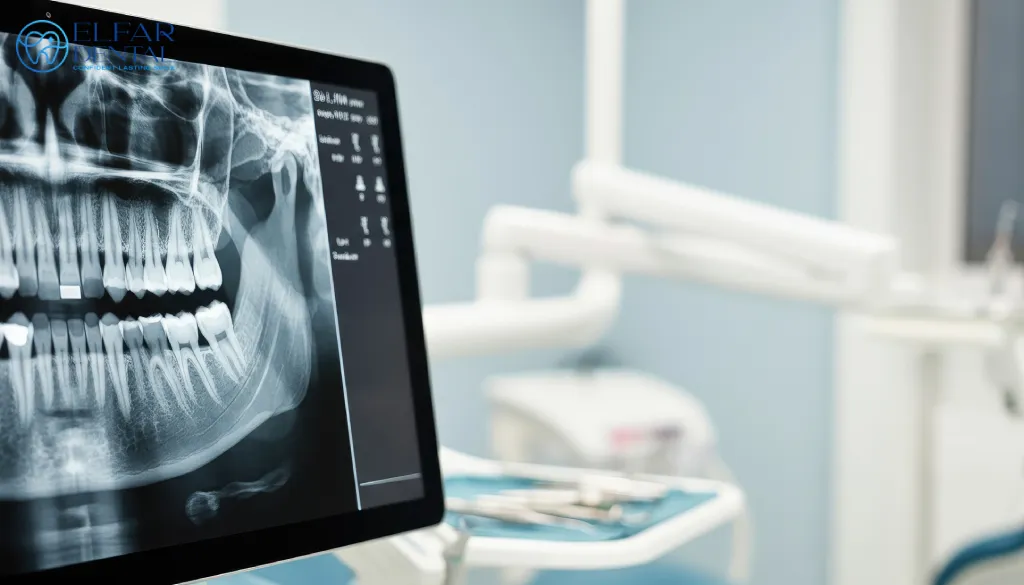
X-Rays if Needed: To detect hidden decay, abscesses, or other issues beneath the surface.
If we identify a dental cause, we’ll create a treatment plan to address it. If we suspect a non-dental cause, we’ll refer you to the appropriate medical specialist and coordinate your care.
Treatment and Prevention

General Management Strategies
Improve oral hygiene: Brush twice daily, floss once daily, and use an antibacterial mouthwash if recommended .
Stay hydrated: Drink plenty of water to combat dry mouth.
Quit smoking: Tobacco products damage taste buds and alter taste perception .
Limit alcohol: Excessive alcohol can irritate oral tissues and affect taste.
Use sugar-free gum or lozenges: These stimulate saliva flow.
Avoid metallic cookware or utensils if you suspect a reaction.
Specific Treatments
Treatment depends entirely on the underlying cause :
Dental treatment: Professional cleaning, periodontal therapy, or treating dental infections.
Medication adjustment: With your doctor’s guidance, changing or discontinuing culprit medications.
Nutritional supplementation: Zinc or vitamin B12 if deficiencies are confirmed .
Management of underlying conditions: Better control of diabetes, kidney disease, or reflux.
Frequently Asked Questions (FAQ)
Q: How long does a metallic taste last?
A: It depends on the cause. Medication-related taste changes often resolve when the medication is stopped. Infection-related dysgeusia usually clears as you recover. Chronic conditions may require ongoing management .
Q: Can stress cause a metallic taste?
A: Stress itself doesn’t directly cause metallic taste, but it can contribute to dry mouth, teeth grinding (which can damage teeth), and neglect of oral hygiene—all of which may indirectly affect taste .
Q: Is metallic taste a symptom of COVID-19?
A: Yes, there were anecdotal reports of metallic taste issues in the mouth associated with COVID-19 . Taste disturbances are now recognised as a potential symptom of viral infections.
Q: What home remedies can help?
A: Good oral hygiene, staying hydrated, and rinsing with a mild salt water solution can help. Some patients find that using plastic utensils instead of metal ones reduces the sensation.
Q: When should I worry?
A: Seek immediate care if metallic taste is accompanied by difficulty breathing, swelling, or neurological symptoms . For persistent taste changes without emergency symptoms, schedule an appointment within a few weeks.
Conclusion: Listen to What Your Mouth Is Telling You
That metallic taste isn’t just an annoyance—it’s a message. Whether it’s signalling gum disease, a medication side effect, or an underlying health condition, your mouth is giving you valuable information about your body.
At Elfar Dental, we’re not just tooth doctors—we’re partners in your overall health. We’ll listen to your concerns, conduct a thorough examination, and help you get to the root of the problem. Sometimes, the solution is as simple as a professional cleaning and improved home care. Other times, it’s the first clue to something requiring broader medical attention.
Either way, you don’t have to live with that metallic taste. Relief is possible, and it starts with a conversation.
Ready to Solve the Mystery of That Metallic Taste?
Don’t let a persistent taste disturbance affect your quality of life. Our team at Elfar Dental is here to help you identify the cause and find the right solution—whether it’s in our chair or in partnership with your physician.
Schedule your consultation today. Let’s uncover what your mouth is trying to tell you.
Your trusted Belconnen dentist. Discover why our community chooses us for gentle, effective dental care. Book a visit.
Ready to experience the Elfar Difference?
📞 Call Our Family-Friendly Team at (02) 6251 9991
💻 Book online easily at Get Appointment
📍 Visit our modern clinic at 21 Benjamin Way, Suite 5F, Belconnen ACT 2617
Elfar Dental – Your trusted partner for advanced family dental care in Belconnen, Canberra, ACT.